Concrete, WA · Skagit County
AC Unit Water Removal in Concrete, WAEmergency AC Water Removal & AC Condensate Drain Clearing
AC Unit Water Removal in Concrete runs from emergency AC water removal and AC leak water cleanup to air conditioner restoration services.
Answered 24/7
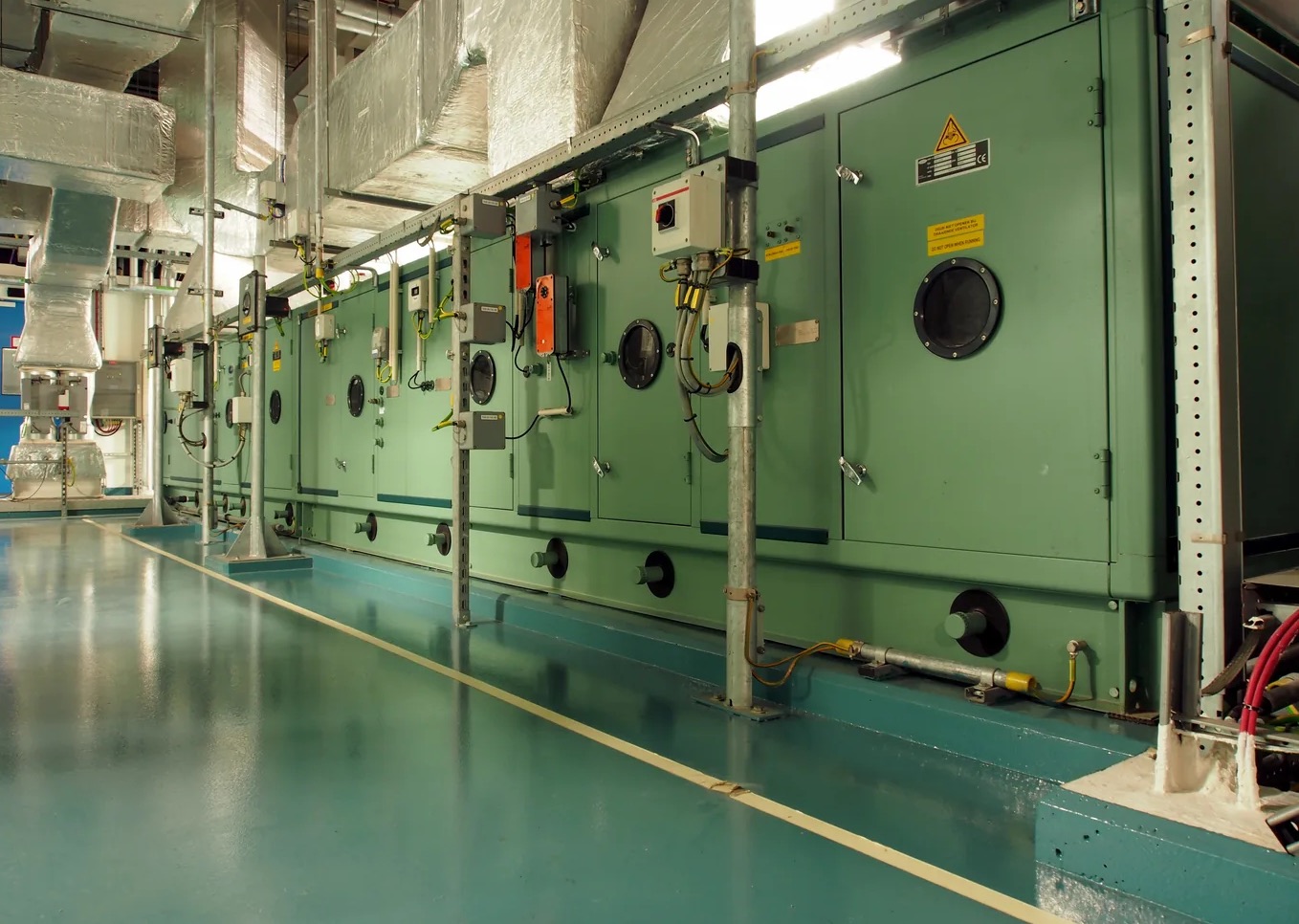
Professional AC Unit Water Removal in Concrete, WA
AC Unit Water Removal in Concrete covers the whole leak, from removing standing water to drying wet materials and repairing drywall or trim afterward. Each step depends on how far the water traveled and how long it sat.
A leaking AC in Concrete rarely fixes itself, and the water keeps soaking the same drywall and subfloor until the drain is cleared. Local air conditioner restoration pros serve Concrete and nearby Darrington, Sedro-Woolley and Burlington, with help available around the clock for leaks of any size.
The AC Unit Water Removal Process in Concrete, WA
Emergency AC Water Removal
A sudden AC flood can soak a ceiling or floor in hours. Emergency removal gets the water out before it spreads into framing and insulation.
AC Condensate Drain Clearing
A clogged condensate line is the most common reason an AC unit leaks. The pros flush out algae and sludge so condensate drains away again.
AC Leak Water Extraction
Extractors and pumps pull water from carpet, pad and hard floors around the unit, then hidden moisture is mapped in the subfloor.
Air Conditioner Restoration Services
Restoration covers the repairs left after a leak: cut-out drywall, stained ceilings, swollen baseboards and soaked insulation.
AC Leak Water Cleanup
Cleanup starts at the drain pan and works outward, removing pooled water and wet debris so drying can begin.
When to Call for AC Unit Water Removal in Concrete
High Indoor Humidity Levels
Rooms that feel clammy while the AC runs may mean water is not draining and is evaporating back into the air.
Wet AC Unit Components
Damp coils, a wet blower compartment or moisture around wiring inside the cabinet mean water is collecting where it should not.
Water on the Floor
A puddle around the air handler or furnace closet is the most direct sign of a leak.
Reduced Cooling Efficiency
A clogged drain can trip a float switch or starve the coil of airflow, so the system runs longer and cools less.
How AC Unit Water Removal Works in Concrete
Step 1: Leak Assessment
The pros find the source of the leak, check how far the water spread and take moisture readings.
Step 2: Source Stop and Water Removal
The drain is cleared or the leaking part isolated, then standing water is extracted from every wet area.
Step 3: System Drying and Dehumidification
Drying equipment runs until walls, floors and insulation test dry, with readings taken at each visit.
Step 4: Verification and Restoration
Final readings confirm the materials are dry, then damaged drywall, trim or ceiling panels can be replaced.
What Leads to AC Unit Water Removal Needs in Concrete
Excess Outdoor Humidity
Very humid air makes the coil produce more water than a partly clogged drain can carry.
Frozen Evaporator Coils Thawing
A coil that freezes from low airflow sheds a large amount of water at once when it thaws.
Damaged AC Drain Pan
Metal pans rust through and plastic pans crack with age, letting water drip straight through.
Age and Component Wear
Older units have worn fittings, brittle seals and corroded pans that start leaking together.
Both Residential & Commercial AC Unit Water Removal in Concrete
Residential AC Unit Water Removal
For homeowners, the main risk is water soaking into insulation and drywall where no one sees it. Moisture meters find that hidden water so it can be dried before it causes rot.
Commercial AC Unit Water Removal
For property managers, one leaking unit can affect several suites or the floor below. Each wet area is extracted, dried and documented for the owner and insurer.
AC Unit Water Removal vs. DIY: When to Call the Pros
Mopping up a small drip and clearing the drain line with a wet vac is a reasonable DIY step. Call local air conditioner restoration pros if water reached the ceiling, walls or insulation, or if the leak keeps coming back after you clear the line.
AC Unit Water Removal Cost in Concrete, WA
Pricing for AC unit water removal in Concrete is set after an inspection. The pros measure the wet area, check for hidden moisture and explain each item before starting.
Documentation Needs
Detailed photos and moisture logs for an insurance claim add some time to the job.
Leak Source and Severity
A slow drip near the closet costs less to fix than an attic overflow that soaked a ceiling and the room below.
Required Drying Time
Dense materials and enclosed spaces take longer to dry, which means more equipment days.
Does Insurance Cover AC Unit Water Removal?
Photos, moisture readings and a written scope from the pros help support an insurance claim for AC water damage in Concrete. Keep copies of everything you send your adjuster, along with your own photos.
The Value of Local Pros for AC Unit Water Removal in Concrete
Systematic Drain Line Clearing
The condensate line is cleared, not just the water mopped up, so the leak does not come right back.
Focus on Component Preservation
Wet blower motors and wiring are dried gently to lower the risk of corrosion and electrical faults.
Air Conditioner Restoration Focus
Drywall, trim and ceiling repairs can be handled after drying, so one job covers the whole leak.
Emergency AC Unit Water Removal Available 24/7 in Concrete
Do not wait for a stained ceiling to start sagging under the weight of the water. Call (425) 386-5713 now for AC unit water removal in Concrete and get the drying started.
Call Now (425) 386-5713AC Unit Water Removal Service Area Including Concrete
The places below are also served, and each one has its own page.
Your AC Unit Water Removal Questions Addressed
How long does drying take after an AC leak?
Often several days, depending on the materials and how long they were wet. Daily readings track progress.
Can an AC condensation leak damage the ceiling?
Yes. Attic units leak straight into the drywall below, causing stains, sagging and eventually collapse if left alone.
Why document AC water damage?
Photos and moisture readings show what got wet and how it was dried, which helps your insurance claim.
What clogs an AC condensate line?
Algae, sludge, dust and debris build up inside the line, especially over long cooling seasons, until water backs up into the pan.
Is air conditioner restoration separate from water removal?
Yes. Water removal and drying come first. Restoration covers repairs afterward, such as replacing drywall or ceiling panels.