Martha Lake, WA · Snohomish County
Attic Water Extraction in Martha Lake, WAAttic Mold Prevention & Attic Moisture Inspection
Attic Water Extraction in Martha Lake runs from attic leak water cleanup and attic drying services to ceiling water damage cleanup.
Answered 24/7
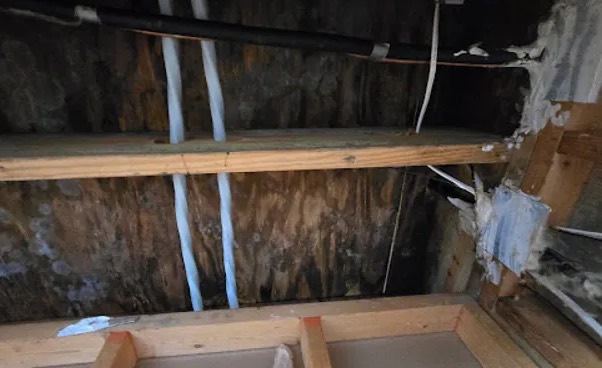
Attic Water Extraction Response in Martha Lake
Attic Water Extraction in Martha Lake usually follows one of three events. A storm damaged the roof, a pipe or water heater failed in the attic, or an AC drain pan overflowed.
Homes in Martha Lake and nearby Mill Creek, Alderwood Manor and Lynnwood have attics that hold insulation, ductwork and often an AC unit or water heater. The pros remove water from roof leaks and equipment failures and dry the framing.
Detailed Attic Water Extraction Offerings in Martha Lake
Attic Mold Prevention
Drying the attic quickly is the main way to limit mold on wood. Treatment is added for areas that were wet for days.
Attic Moisture Inspection
Moisture meters and thermal cameras check decking, rafters, insulation and ceiling drywall for water that is not visible.
Emergency Attic Water Extraction
When rain or a burst attic pipe floods the attic floor, water is vacuumed off the decking and drywall tops before it soaks through to the rooms below.
Roof Leak Water Removal
Roof leaks often show up far from where they start. Moisture meters trace the water back along the decking to its entry point.
Wet Attic Insulation Removal
Blown-in insulation that got wet is vacuumed out of the affected bays, and fiberglass batts are pulled and bagged.
Detecting the Need for Attic Water Extraction in Your Attic
Water Dripping From Light Fixtures
Water dripping from a ceiling light or fan is a sign of an active leak above. Turn off that circuit.
Damp Attic Insulation
Insulation that feels damp, looks matted or has dark patches has been soaking up water.
Condensation on Attic Surfaces
Droplets or damp patches on the underside of the roof decking point to a moisture and ventilation problem.
Increased Indoor Humidity
Upstairs rooms that feel humid or clammy may have moisture coming down from the attic.
How Attic Water Extraction Works in Martha Lake
Step 1: Emergency Water Extraction
Active drips are caught and pooled water is vacuumed from the decking and drywall tops right away.
Step 2: Wet Insulation Removal
Soaked insulation is bagged and removed so air can reach the wood and the ceiling drywall below.
Step 3: Attic Drying Process
Air movers and dehumidifiers are set on boards across the joists and run until readings drop.
Step 4: Final Moisture Inspection
Readings on decking, rafters and the ceiling confirm the attic is dry before new insulation goes in.
What Leads to Attic Water Extraction Needs in Martha Lake
Aging or Deteriorated Roofing Materials
Old, curled or cracked shingles and worn underlayment let water through during heavy rain.
Condensation From Poor Ventilation
Warm, moist air from the house condenses on roof decking when the attic lacks ventilation.
Skylight or Chimney Flashing Failure
Worn flashing around skylights and chimneys lets rain run down into the attic.
Roof Leaks From Storm Damage
Wind and hail can lift or break shingles, letting rain reach the decking and the attic floor.
Attic Water Extraction for Homes and Businesses in Martha Lake
Residential Attic Water Extraction
In townhomes and condos, attic leaks can cross into a neighbor's space. Clear photos and readings help sort out repairs with the association.
Commercial Attic Water Extraction
Property managers get records for each affected unit or suite, which helps with roof repair planning and insurance claims.
The Risks of DIY Attic Water Extraction in Martha Lake
Patching the roof stops new water, but the attic stays wet underneath. After any roof repair, have the insulation and decking checked for leftover moisture.
Understanding Attic Water Extraction Cost in Martha Lake
In Martha Lake, insulation removal and replacement are often the largest part of an attic job, along with drying equipment and ceiling repair.
Extent of Water Damage
More water and a larger wet area mean more extraction time and more drying equipment.
Required Drying Time
Dense framing and decking can take several days to dry, adding equipment time.
Emergency Service Timing
Night, weekend and storm calls can cost more than a scheduled visit.
Does Insurance Cover Attic Water Extraction?
Many homeowner policies cover sudden storm damage and burst pipes in the attic, but not leaks from worn roofing or poor upkeep. Read your policy and call your insurer early.
Advantages of Hiring Local Pros for Attic Water Extraction in Martha Lake
Dehumidification Plan
Dehumidifiers and air movers are placed for the attic's size and airflow, then adjusted daily.
Roof Leak Location
The leak point is marked and photographed so the roofer can fix the right spot.
Wet Insulation Handling
Wet insulation is bagged and removed without spreading debris into the living space.
Emergency Attic Water Extraction Response in Martha Lake, WA
Night, weekend or holiday, local restoration pros handle attic water in Martha Lake. Call (425) 386-5713 to get the water out and the ceiling protected.
Call Now (425) 386-5713Attic Water Extraction Coverage in Martha Lake, Mill Creek, Alderwood Manor and Lynnwood
Need attic water extraction outside Martha Lake? Service also covers Mill Creek, Alderwood Manor and Lynnwood, including emergency help after storms.
Attic Water Extraction FAQs for Martha Lake Homeowners
Can wet attic insulation be saved?
Lightly damp areas sometimes dry, but soaked or matted insulation is usually removed and replaced after the attic is dry.
Is microbial growth common after an attic leak?
It is more likely when wood and insulation stay wet for days. Fast extraction and drying lower that risk.
What follows after the attic is dry?
New insulation can be installed, and ceiling drywall below is repaired, taped and painted.
What should I do while waiting for water damage help?
Catch drips with a bucket, move belongings, keep away from sagging ceilings and turn off power to wet fixtures.
What are signs of hidden attic water damage?
Ceiling stains, a musty smell upstairs, matted insulation, dark spots on decking and rusted nails.