Concrete, WA · Skagit County
Attic Water Removal in Concrete, WACeiling Water Damage Cleanup & Wet Attic Insulation Removal
Attic Water Removal in Concrete covers attic leak water cleanup, roof leak water removal and wet attic insulation removal.
Answered 24/7
Local Attic Water Removal Solutions in Concrete
Attic Water Removal in Concrete is about protecting the ceiling. Water on top of drywall soaks in and adds weight, and wet insulation keeps it soaking long after the leak stops.
A heavy storm in Concrete can push water into an attic overnight. Local water damage restoration experts serve Concrete and nearby Darrington, Sedro-Woolley and Burlington, with help available around the clock.
Detailed Attic Water Removal Solutions
Ceiling Water Damage Cleanup
After the ceiling cavity is dry, the opening is ready for new drywall, tape and paint.
Wet Attic Insulation Removal
Only the wet sections come out. The edges of the wet area are checked with a meter so dry insulation is not removed by mistake.
Emergency Attic Water Extraction
Water sitting on top of ceiling drywall adds weight fast. Removing it quickly can mean the difference between drying a ceiling and replacing it.
Attic Leak Water Cleanup
Water-stained debris, wet cardboard and soaked stored items are cleared out so the attic floor can be dried.
Attic Mold Prevention
Ventilation problems, such as blocked soffit vents or a bath fan venting into the attic, are pointed out so the attic does not stay damp.
Warning Signs You Need Attic Water Removal
Peeling Paint on Ceilings or Walls
Paint that peels or blisters on upstairs ceilings and walls often has water behind it.
High Utility Bills Unexpectedly
Wet insulation loses its insulating value, so energy bills can rise after an attic leak.
Water Stains on Ceiling
A brown ring or yellow patch on an upstairs ceiling usually means water is sitting on the drywall from the attic.
Visible Mold in Attic Spaces
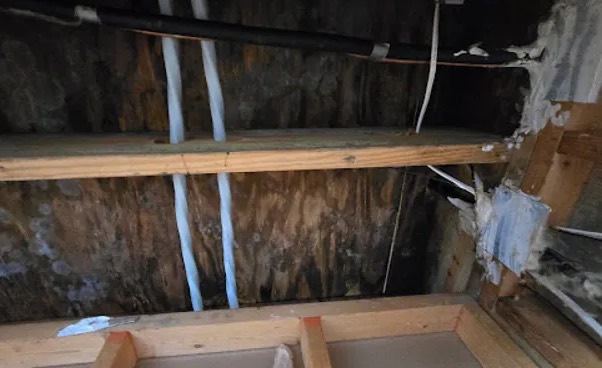
Dark spots on rafters or roof decking mean the wood has stayed damp for days or longer.
How Attic Water Removal Works in Concrete
Step 1: Attic Flood Cleanup Response
Active drips are contained with buckets and plastic, and the room below is protected.
Step 2: Targeted Attic Moisture Removal
Water is vacuumed from between joists and on top of drywall, starting where it is deepest.
Step 3: Attic Dehumidification
Dehumidifiers pull moisture from the attic air while air movers dry the wet framing.
Step 4: Documentation for Restoration
Photos and moisture readings are compiled to show what was removed and when the attic dried.
Common Causes of Attic Water Damage in Concrete
Clogged or Disconnected Gutters
Clogged or loose gutters let water back up under the roof edge and into the soffits.
HVAC System Leaks or Drain Pan Overflow
An attic air handler overflows when its condensate line clogs or the drain pan cracks.
Flashing Failures Around Roof Penetrations
Failed flashing around vents, chimneys and skylights lets rain run into the attic.
Storm Damage From High Winds or Hail
High winds and hail can damage shingles and open the roof to rain during a storm.
Both Residential & Commercial Attic Water Removal
Residential Attic Water Removal
Homeowners with stored items in the attic need those moved out first. Wet boxes are dried or discarded before the attic floor is cleaned and dried.
Commercial Attic Water Removal
Offices and stores need the space below protected while attic work is under way. Drying is planned around business hours where possible.
The Risks of DIY Attic Water Removal in Concrete
If you can do it safely, look into the attic with a flashlight to find the wet area. Removing soaked insulation and drying the framing needs boards, protective gear and equipment.
Understanding Attic Water Removal Pricing
The cost of attic water removal in Concrete depends on how far the water spread, how much insulation is wet and whether ceiling drywall below must be replaced.
Drying Time Required
Dense wood framing can take several days to dry, which adds equipment time.
Type of Insulation Affected
Blown-in insulation takes more time to remove than batts, and both add disposal costs.
Mold Prevention Measures
Antimicrobial treatment of wood that stayed wet is an added step, priced by area.
Does Insurance Cover Attic Water Removal?
Many homeowner policies cover sudden attic leaks from storms or burst pipes, but not damage from worn roofing or slow leaks. Read your policy and call your insurer early.
Advantages of Hiring Local Pros for Attic Water Removal in Concrete
Advanced Moisture Detection
Moisture meters and thermal cameras find wet wood and insulation that look dry.
Controlled Demolition Practices
Only wet insulation and drywall are removed, which keeps the repair as small as possible.
Damage Documentation
Photos, readings and a list of removed materials are kept for insurance.
24/7 Emergency Attic Water Removal in Concrete
Ceiling sagging under the weight of water? Keep people out of the room below and call (425) 386-5713 now for attic water removal in Concrete.
Call Now (425) 386-5713Local Attic Water Removal Coverage Area
The places below are also served, and each one has its own page.
Your Attic Water Removal FAQs Resolved
What is an attic moisture inspection?
A check of rafters, decking, insulation and the ceiling below with moisture meters and thermal cameras to find all wet areas.
Can wet attic insulation be saved?
Lightly damp areas sometimes dry, but soaked or matted insulation is usually removed and replaced after the attic dries.
How do professionals dry an attic?
With air movers and dehumidifiers placed on boards across the joists, checking moisture readings daily until the wood is dry.
Why is emergency attic drying important?
Wet wood and drywall break down quickly. Drying fast saves more of the ceiling and lowers the risk of microbial growth.
What are attic dehumidification services?
Dehumidifiers placed in the attic pull moisture from the air and wood, speeding drying after a leak.