Graham, WA · Pierce County
Attic Water Removal in Graham, WAAttic Moisture Inspection & Wet Attic Insulation Removal
For a storm leak, Attic Water Removal in Graham means emergency attic water extraction, roof leak water removal and attic moisture inspection.
Answered 24/7
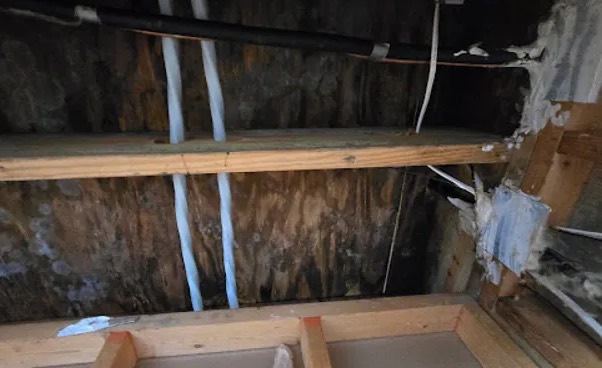
Expert Attic Water Removal for Graham
Attic leaks that run for a long time in Graham can rot roof decking and rust fasteners. Even after the roof is fixed, that wood stays wet unless it is dried.
A heavy storm in Graham can push water into an attic overnight. Local attic water removal pros serve Graham and nearby Orting, Spanaway and Prairie Ridge, with help available around the clock.
The Attic Water Removal Process in Graham
Attic Moisture Inspection
Moisture meters and thermal cameras check rafters, decking, insulation and the ceiling below, even in spots that look dry.
Wet Attic Insulation Removal
Insulation that got soaked is removed from the wet bays and bagged. Leaving it in place keeps the ceiling drywall damp for weeks.
Roof Leak Water Removal
The entry point is photographed and marked, which helps both the roofer and your insurance adjuster.
Attic Drying Services
Equipment is adjusted daily, moving airflow from areas that are dry to areas that still read wet.
Emergency Attic Water Extraction
When a storm or a burst pipe floods the attic, help is available any hour to remove the water before the ceiling below fails.
When to Consider Attic Water Removal in Graham
Peeling Paint on Ceilings or Walls
Paint that peels or blisters on upstairs ceilings and walls often has water behind it.
Puddles or Standing Water in Attic
Pooled water on the attic floor or on top of drywall needs removal right away.
Sagging or Bubbling Ceiling Drywall
Ceiling drywall that sags, bulges or bubbles at the seams is holding water and may fall.
Condensation on Attic Windows or Nails
Damp nail tips or water droplets on attic surfaces point to moisture or ventilation problems.
How Attic Water Removal Works in Graham
Step 1: Initial Attic Water Damage Assessment
The pros check safety, find the source and map the wet area with moisture meters.
Step 2: Bulk Water and Material Removal
Pooled water, soaked insulation and any sagging drywall are removed from the attic and ceiling.
Step 3: Attic Drying and Evaporation
Warm, dry airflow is aimed at wet wood, with dehumidifiers removing the moisture it releases.
Step 4: Attic Mold Prevention
Once dry, decking and framing that stayed wet can be cleaned and treated with an antimicrobial.
Why Attics Develop Water Damage
Burst or Leaking Plumbing Pipes
Supply lines and drain pipes in the attic can crack or burst onto the ceiling.
Condensation From Poor Attic Ventilation
Moist air from the house condenses on roof decking when attic ventilation is poor.
Overflow From Clogged Bathroom Exhaust Ducts
Bathroom fan ducts that are loose or vented into the attic release moisture onto the wood.
HVAC System Leaks or Drain Pan Overflow
An attic air handler overflows when its condensate line clogs or the drain pan cracks.
Both Residential & Commercial Attic Water Removal
Residential Attic Water Removal
In two-story homes, attic water can run down inside walls to the floor below. Walls under the leak are checked with a meter and dried if needed.
Commercial Attic Water Removal
Flat-roof buildings often have water that travels far before it drips. The path above the ceiling is traced so every wet section is found.
Attic Water Removal vs. DIY: When to Call the Pros
A fan in the room below does little for wet attic wood. Drying the attic takes equipment up there and readings to confirm it is dry.
Attic Water Removal Cost in Graham, WA
In Graham, the biggest costs in attic jobs are usually insulation removal, drying equipment days and ceiling repair in the room below.
Emergency Service Timing
Storm, night and holiday calls can cost more than a scheduled visit.
Type of Insulation Affected
Blown-in insulation takes more time to remove than batts, and both add disposal costs.
Mold Prevention Measures
Antimicrobial treatment of wood that stayed wet is an added step, priced by area.
Does Insurance Cover Attic Water Removal?
Photograph the attic, the ceiling and any roof damage before cleanup, and keep receipts for tarping and emergency water removal.
The Value of Local Attic Water Removal Experts
24/7 Emergency Response
Help is available day or night when water is coming through the ceiling.
Advanced Moisture Detection
Moisture meters and thermal cameras find wet wood and insulation that look dry.
Mold Inhibitor Application
Wood that stayed wet can be treated with an antimicrobial after it is dried.
24-Hour Emergency Attic Water Removal Near Graham
Night, weekend or holiday, the pros handle attic water in Graham. Call (425) 386-5713 to get the water out and the ceiling protected.
Call Now (425) 386-5713Attic Water Removal Near Graham: Areas Served
Nearby areas served for attic water removal include Orting, Spanaway and Prairie Ridge, with the same water removal and drying steps used in Graham.
- Attic Water Removal in Orting
- Attic Water Removal in Spanaway
- Attic Water Removal in Prairie Ridge
- Attic Water Removal in Puyallup
- Attic Water Removal in Parkland
- Attic Water Removal in Sumner
- Attic Water Removal in Bonney Lake
- Attic Water Removal in Fife
- Emergency Damage Restoration in 98338
- Storm Damage Restoration in 98338
- Water Damage Restoration in 98338
- Water Extraction Service in 98338
- Water Leak Detection in 98338
- Water Removal Service in 98338
Frequently Asked Questions About Attic Water Removal
What should I do while waiting for attic leak water cleanup?
Catch drips, move belongings, stay out from under sagging ceilings and turn off power to wet light fixtures.
Can I remove attic water myself?
Only small amounts that are easy to reach safely. Pooled water and soaked insulation need safe footing and drying equipment.
How long does attic drying take?
Often several days, depending on how wet the wood is, the attic temperature and how much insulation was removed.
What is an attic moisture inspection?
A check of rafters, decking, insulation and the ceiling below with moisture meters and thermal cameras to find all wet areas.
Why is emergency attic drying important?
Wet wood and drywall break down quickly. Drying fast saves more of the ceiling and lowers the risk of microbial growth.