Martha Lake, WA · Snohomish County
Attic Water Removal in Martha Lake, WAAttic Drying Services & Attic Leak Water Cleanup
For a storm leak, Attic Water Removal in Martha Lake means emergency attic water extraction, roof leak water removal and attic moisture inspection.
Answered 24/7
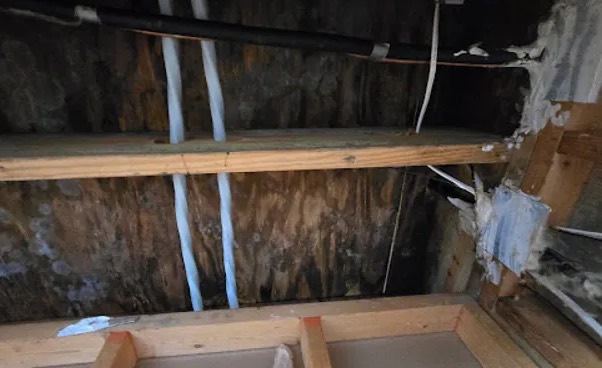
Professional Attic Water Removal in Martha Lake, WA
An attic leak is easy to miss and expensive to ignore. In Martha Lake, water from a roof, pipe or AC pan can soak insulation and decking for weeks, then show up all at once as a stained or sagging ceiling.
Homeowners in Martha Lake can call (425) 386-5713 day or night when water starts coming through the ceiling. Service also covers Mill Creek, Alderwood Manor and Lynnwood, with the same inspection and drying steps.
Detailed Attic Water Removal Solutions
Attic Drying Services
Drying continues until rafters, decking and ceiling drywall reach normal moisture readings, which is often several days.
Attic Leak Water Cleanup
Cleanup focuses on the low spots where water collects: the bays between joists, the area around the hatch and the space under an air handler.
Wet Attic Insulation Removal
Only the wet sections come out. The edges of the wet area are checked with a meter so dry insulation is not removed by mistake.
Emergency Attic Water Extraction
Water sitting on top of ceiling drywall adds weight fast. Removing it quickly can mean the difference between drying a ceiling and replacing it.
Ceiling Water Damage Cleanup
A water-stained ceiling below the attic is checked with a meter. Firm, lightly damp drywall can dry in place, while soft or sagging drywall comes down.
Signs of Attic Water Damage in Martha Lake
Rotting Wood on Attic Beams
Soft, dark or crumbling wood on rafters and beams points to long-term moisture.
Increased Indoor Humidity Levels
Upstairs rooms that feel sticky or humid may have moisture coming down from the attic.
Sagging or Bubbling Ceiling Drywall
Ceiling drywall that sags, bulges or bubbles at the seams is holding water and may fall.
Condensation on Attic Windows or Nails
Damp nail tips or water droplets on attic surfaces point to moisture or ventilation problems.
How Attic Water Removal Works in Martha Lake
Step 1: Source Control and Water Removal
The roof is tarped or the line shut off, and pooled water is removed from the attic floor.
Step 2: Wet Attic Cleanup and Debris Removal
Soaked insulation, wet debris and stored items are cleared so the wood and drywall can dry.
Step 3: Structural Drying and Dehumidification
Air movers and dehumidifiers are set on boards in the attic and run until readings drop.
Step 4: Final Attic Moisture Check
Decking, rafters and the ceiling below are tested to confirm they are dry before repairs.
Frequent Sources of Attic Water Damage in Martha Lake
Roof Leaks From Damaged Shingles
Cracked, missing or lifted shingles let rain reach the decking and drip into the attic.
Flashing Failures Around Roof Penetrations
Failed flashing around vents, chimneys and skylights lets rain run into the attic.
Burst or Leaking Plumbing Pipes
Supply lines and drain pipes in the attic can crack or burst onto the ceiling.
Condensation From Poor Attic Ventilation
Moist air from the house condenses on roof decking when attic ventilation is poor.
Attic Water Removal for Homes and Businesses
Residential Attic Water Removal
In townhomes and condos, a shared attic can carry water into a neighbor's ceiling. Clear photos and readings help sort out repairs with the association.
Commercial Attic Water Removal
Property managers get records for each affected suite or unit, which helps with roof repair planning and insurance claims.
The Risks of DIY Attic Water Removal in Martha Lake
Catching drips with a bucket and moving furniture out of the way is a smart first step. Call local water damage restoration experts if water is pooling in the attic, the ceiling is stained or sagging, or insulation is wet.
Estimating Attic Water Removal Expenses in Martha Lake
The cost of attic water removal in Martha Lake depends on how far the water spread, how much insulation is wet and whether ceiling drywall below must be replaced.
Water Contamination Level
Clean rainwater is simpler to handle than water from a drain line or other dirty source.
Mold Prevention Measures
Antimicrobial treatment of wood that stayed wet is an added step, priced by area.
Emergency Service Timing
Storm, night and holiday calls can cost more than a scheduled visit.
Does Insurance Cover Attic Water Removal?
Photograph the attic, the ceiling and any roof damage before cleanup, and keep receipts for tarping and emergency water removal.
The Value of Local Attic Water Removal Experts
Industry Drying Standards
Drying follows industry water damage standards, with moisture readings taken at every visit.
Structural Drying Focus
Rafters, decking and the ceiling are dried, not just the spot under the drip.
Post-Cleanup Verification
Final readings confirm the attic is dry before new insulation goes in.
24-Hour Emergency Attic Water Removal Near Martha Lake
Wet insulation keeps the ceiling soaking every hour it stays. Call (425) 386-5713 for attic water removal in Martha Lake as soon as you see a stain or drip.
Call Now (425) 386-5713Attic Water Removal Near Martha Lake: Areas Served
Need attic water removal outside Martha Lake? Service also covers Mill Creek, Alderwood Manor and Lynnwood, including emergency help after storms.
Attic Water Removal FAQs
What should I do while waiting for attic leak water cleanup?
Catch drips, move belongings, stay out from under sagging ceilings and turn off power to wet light fixtures.
What happens during wet attic cleanup?
Water, wet insulation and debris are removed, stored items are moved out and the attic floor is cleaned before drying.
Can wet attic insulation be saved?
Lightly damp areas sometimes dry, but soaked or matted insulation is usually removed and replaced after the attic dries.
How do professionals dry an attic?
With air movers and dehumidifiers placed on boards across the joists, checking moisture readings daily until the wood is dry.
What are attic dehumidification services?
Dehumidifiers placed in the attic pull moisture from the air and wood, speeding drying after a leak.