Midland, WA · Pierce County
Basement Water Damage Restoration in Midland, WABasement Floor Water Removal & Basement Dehumidification
Basement Water Damage Restoration in Midland includes emergency basement flood cleanup, basement sewer backup cleanup and basement wall drying.
Answered 24/7
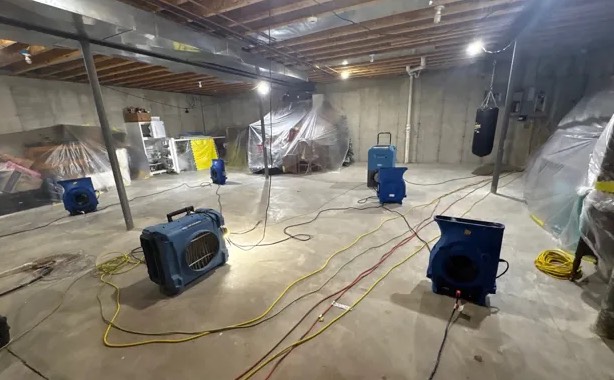
Basement Water Damage Restoration for Midland Homes
In a Midland home with a basement and a sump pump, a pump that fails during heavy rain lets water rise fast. Furnaces, water heaters, washers and stored belongings all sit at floor level and take the damage first.
A finished basement or lower level in Midland or Parkland, Fife and Tacoma can hide old moisture behind drywall and flooring. The pros find the water and dry the space before more damage sets in.
Basement Water Damage Restoration Solutions Available in Midland
Basement Floor Water Removal
Wet carpet pad is removed from basement floors, since it holds water against the concrete and dries poorly.
Basement Dehumidification
Large dehumidifiers pull moisture from the basement air so walls, framing and the slab can release their water.
Basement Wall Drying
Concrete and block walls are dried with directed airflow and dehumidifiers, and checked with meters until readings drop.
Basement Water Extraction
Basement water is removed before drying starts, because every gallon left behind keeps the walls and air damp.
Basement Mold Prevention
Keeping basement humidity low after drying helps prevent mold from returning, especially in finished spaces.
Indicators for Basement Water Damage Restoration in Midland
Condensation on Windows or Pipes
Water beading on cold pipes or basement windows shows high humidity that keeps materials damp.
Peeling Paint or Wallpaper
Paint that peels or blisters on basement walls often has moisture behind it.
Mold on Surfaces
Dark spots on drywall, framing or stored boxes mean the area has stayed wet for days.
Sump Pump Failure or Overflow
A sump pump that runs constantly, fails to start or lets the pit overflow puts the basement at risk.
How Basement Water Damage Restoration Works in Midland
Step 1: Floodwater Pump-Out
Submersible pumps remove deep water, and electrical hazards are checked before anyone walks in it.
Step 2: Deep Moisture Extraction
Extractors pull water from carpet, pad and the concrete floor after the deep water is gone.
Step 3: Air Circulation and Drying
Air movers keep dry air moving across walls and floors throughout the basement.
Step 4: Dehumidification and Verification
Dehumidifiers run until humidity and material readings confirm the basement is dry.
Common Causes of Water Damage in Midland
Plumbing Pipe Bursts or Leaks
Supply lines and drain pipes in basement ceilings can crack or burst onto the floor below.
Sump Pump Mechanical Failure
A sump pump that fails, loses power or is too small lets groundwater rise into the basement.
Water Heater or Appliance Leaks
Water heaters, washers and utility sinks in the basement can leak or fail without warning.
High Water Table and Hydrostatic Pressure
A high water table pushes groundwater up through the slab and into the joints between wall and floor.
Basement Water Damage Restoration for Homes and Businesses in Midland
Residential Basement Water Damage Restoration
A sewer backup in a home basement needs contaminated carpet, pad and drywall removed and every hard surface disinfected before drying.
Commercial Basement Water Damage Restoration
In restaurants and stores with basements, sewage backups need fast containment so contamination does not reach food or customer areas.
Professional Basement Water Damage Restoration or DIY in Midland?
Do not walk into standing basement water if outlets, cords or appliances are submerged. Shut off power at the panel if you can reach it safely, then call (425) 386-5713.
Basement Water Damage Restoration Cost in Midland, WA
Before pricing basement water damage restoration in Midland, the pros check the water depth, the type of water and what the basement is finished with.
Material Saturation
Finished basements with carpet, drywall and insulation take more removal work than bare concrete.
Access Complexity
Narrow stairs, low ceilings and stored contents can make the work slower.
Water Category
Clean water costs less to handle than sewage, which needs protective gear, removal and disinfection.
Does Insurance Cover Basement Water Damage Restoration?
Coverage for groundwater seepage and backups varies widely between policies. Ask your adjuster whether your policy includes it before work begins.
Advantages of Hiring Local Pros in Midland for Basement Water Damage Restoration
Containment Strategies
Plastic sheeting keeps contaminated areas separate from clean parts of the house.
Water Extraction First
Water is removed from floors, carpet and pad before drying starts, which shortens drying time.
Water Type Handling
Clean water, gray water and sewage are each handled with the right protection and removal steps.
24/7 Emergency Basement Water Damage Restoration for Midland
Every hour of standing water in a basement means more drywall and flooring to replace. Call (425) 386-5713 for basement water damage restoration in Midland.
Call Now (425) 386-5713Basement Water Damage Restoration Available Throughout Pierce County
Each place listed below has its own page with local details.
- Basement Water Damage Restoration in Parkland
- Basement Water Damage Restoration in Fife
- Basement Water Damage Restoration in Tacoma
- Basement Water Damage Restoration in Lakewood
- Basement Water Damage Restoration in Puyallup
- Basement Water Damage Restoration in Fircrest
- Basement Water Damage Restoration in Artondale
- Basement Water Damage Restoration in University Place
Basement Water Damage Restoration Common Questions Answered
What causes the most common below-grade leaks in homes?
Sump pump failures, foundation cracks, clogged drain tile, sewer backups and burst pipes in the basement ceiling.
What is involved in basement water damage restoration?
Pumping out water, removing soaked materials, cleaning contaminated areas, drying walls, framing and concrete, and dehumidifying until readings are normal.
What are signs of hidden moisture after below-grade water extraction?
Musty smells, tide lines on walls, damp carpet edges and moisture readings that stay high in walls or the slab.
Why is quick action important for below-grade flood restoration?
Basements dry slowly, so every hour of standing water adds days of drying and more material to replace.
Does basement mold prevention need special steps after flooding?
Fast drying is the main step. Wood and concrete that stayed wet can be treated with an antimicrobial once dry.