Port Orchard, WA · Kitsap County
Basement Water Damage Restoration in Port Orchard, WABasement Sewer Backup Cleanup & Basement Floor Water Removal
Basement Water Damage Restoration in Port Orchard includes emergency basement flood cleanup, basement sewer backup cleanup and basement wall drying.
Answered 24/7
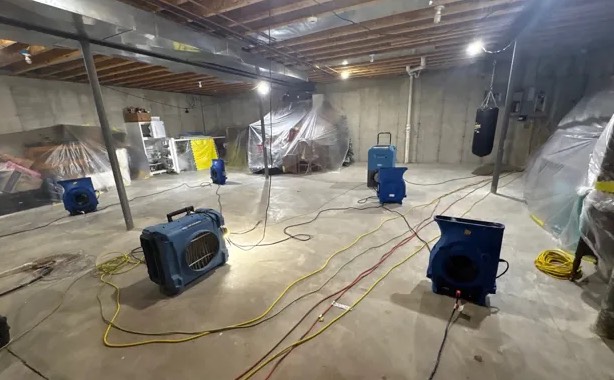
Expert Basement Water Damage Restoration Serving Port Orchard
Sewage backups are one of the most common problems in any basement or lower level, including in Port Orchard. Water coming up through a floor drain or basement toilet carries bacteria and needs a different cleanup than clean water.
A finished basement or lower level in Port Orchard or Silverdale, Bainbridge Island and Burien can hide old moisture behind drywall and flooring. The pros find the water and dry the space before more damage sets in.
Basement Water Damage Restoration Solutions Available in Port Orchard
Basement Sewer Backup Cleanup
Sewage that backs up through a floor drain or toilet is extracted with protective gear, and the area is contained from the rest of the house.
Basement Floor Water Removal
Wet carpet pad is removed from basement floors, since it holds water against the concrete and dries poorly.
Emergency Basement Flood Cleanup
Help is available any hour when water is rising in the basement from a burst pipe, a sewer backup or heavy rain.
Basement Wall Drying
Wet drywall is cut back above the water line when it is soaked, and the wall cavity and insulation behind it are dried or replaced.
Basement Dehumidification
Dehumidification continues until humidity and material readings are normal. Turning it off too early lets moisture return.
Signs of Basement Water Damage in Port Orchard
Warped or Buckling Basement Floors
Laminate, wood or vinyl flooring that buckles or lifts in the basement has water underneath.
Mold on Surfaces
Dark spots on drywall, framing or stored boxes mean the area has stayed wet for days.
Damp or Musty Odors
A damp, earthy or musty smell in the basement often means hidden moisture in walls, carpet or the slab.
High Humidity Levels Below-Grade
A basement that stays damp and clammy even on dry days has a moisture source that needs attention.
How Basement Water Damage Restoration Works in Port Orchard
Step 1: Floodwater Pump-Out
Submersible pumps remove deep water, and electrical hazards are checked before anyone walks in it.
Step 2: Deep Moisture Extraction
Extractors pull water from carpet, pad and the concrete floor after the deep water is gone.
Step 3: Air Circulation and Drying
Air movers keep dry air moving across walls and floors throughout the basement.
Step 4: Dehumidification and Verification
Dehumidifiers run until humidity and material readings confirm the basement is dry.
Why Basement Water Damage Occurs in Port Orchard
Clogged Floor Drains
A floor drain blocked by debris cannot carry off water from a leak or overflow, so it spreads across the basement floor.
High Water Table and Hydrostatic Pressure
A high water table pushes groundwater up through the slab and into the joints between wall and floor.
Plumbing Pipe Bursts or Leaks
Supply lines and drain pipes in basement ceilings can crack or burst onto the floor below.
Water Heater or Appliance Leaks
Water heaters, washers and utility sinks in the basement can leak or fail without warning.
Basement Water Damage Restoration for Homes and Businesses in Port Orchard
Residential Basement Water Damage Restoration
Finished basements used as living space need carpet, pad and lower drywall checked carefully. Soaked materials are removed so the walls and slab can dry.
Commercial Basement Water Damage Restoration
Businesses with below-grade storage need inventory moved out of the water quickly. Wet stock is separated and documented for insurance.
Basement Water Damage Restoration: Professional Help vs. Doing It Yourself in Port Orchard
Do not walk into standing basement water if outlets, cords or appliances are submerged. Shut off power at the panel if you can reach it safely, then call (425) 386-5713.
What Influences Basement Water Damage Restoration Cost in Port Orchard
Sewage cleanup, finished walls, storm-night calls and damaged appliances all add to the total for basement water damage restoration in Port Orchard.
Material Saturation
Finished basements with carpet, drywall and insulation take more removal work than bare concrete.
Emergency Service
Night, weekend and storm calls can cost more than a scheduled visit.
Access Complexity
Narrow stairs, low ceilings and stored contents can make the work slower.
Does Insurance Cover Basement Water Damage Restoration?
Coverage for basement water damage restoration depends on where the water came from and your policy terms. The pros document the damage, and your insurer decides what is covered.
Advantages of Hiring Local Pros in Port Orchard for Basement Water Damage Restoration
24/7 Emergency Response
Help is available day or night when water is rising in the basement.
Advanced Moisture Detection
Moisture meters and thermal cameras find water in walls and slabs that looks dry.
Mold Prevention Focus
Fast drying is the main way to limit microbial growth in a below-grade space.
Round-the-Clock Emergency Basement Water Damage Restoration in Port Orchard
Sewage coming up through a floor drain? Stop using water in the house and call (425) 386-5713 now for basement water damage restoration in Port Orchard.
Call Now (425) 386-5713Regions Served for Basement Water Damage Restoration Near Port Orchard
Need basement water damage restoration outside Port Orchard? Service also covers Silverdale, Bainbridge Island and Burien, including emergency help during storms.
- Basement Water Damage Restoration in Silverdale
- Basement Water Damage Restoration in Bainbridge Island
- Basement Water Damage Restoration in Burien
- Basement Water Damage Restoration in Poulsbo
- Basement Water Damage Restoration in Gig Harbor
- Basement Water Damage Restoration in Normandy Park
- Basement Water Damage Restoration in Seattle (West/South)
- Basement Water Damage Restoration in Artondale
- Emergency Damage Restoration in 98312
- Storm Damage Restoration in 98312
- Water Damage Restoration in 98312
- Water Extraction Service in 98312
- Water Leak Detection in 98312
- Water Removal Service in 98312
- Emergency Damage Restoration in 98314
- Storm Damage Restoration in 98314
Basement Water Damage Restoration Common Questions Answered
How soon should I call for basement water extraction after a leak?
Right away. Water wicks up drywall and soaks framing within hours, and below-grade spaces are slow to dry.
How is basement sewer backup cleanup different from regular flooding?
Sewage carries bacteria, so it needs protective gear, removal of porous materials and disinfection before drying.
What does below-grade moisture removal include beyond pumping?
Extracting carpet and pad, opening wet walls, running air movers and dehumidifiers, and checking readings until dry.
How is basement restoration documented for insurance?
With photos of the water level and damage, moisture readings, a list of removed materials and daily drying logs.
What causes the most common below-grade leaks in homes?
Sump pump failures, foundation cracks, clogged drain tile, sewer backups and burst pipes in the basement ceiling.