Fircrest, WA · Pierce County
Basement Water Removal in Fircrest, WABasement Moisture Inspection & Emergency Basement Flooding
Basement Water Removal in Fircrest covers basement water pump out, basement wall drying and basement dehumidification after a flood.
Answered 24/7
Local Basement Water Removal Services for Fircrest
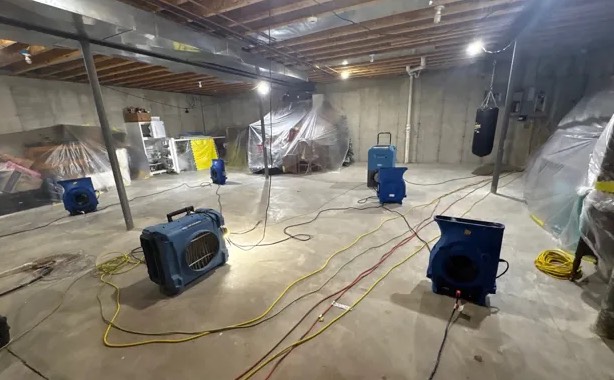
Dehumidification is the slow but necessary part of basement water removal in Fircrest. Pumps remove standing water quickly, but walls and concrete keep releasing moisture for days.
In Fircrest, when a basement or below-grade room takes on water, it usually follows heavy rain, a sewer backup or a burst pipe. Local water extraction experts serve Fircrest, University Place, Tacoma and Lakewood, pumping water out and drying the space.
The Basement Water Removal Process in Fircrest
Basement Moisture Inspection
Moisture meters and thermal cameras check walls, floors and the slab for water that is not visible, including behind finished walls.
Emergency Basement Flooding
A flooded basement threatens the furnace, water heater and anything stored on the floor. Fast pumping protects what can still be saved.
Basement Floor Water Damage
Flooring that buckled or swelled is removed. Tile and sealed concrete can often be cleaned and dried in place.
Basement Wall Drying
Opening the bottom of finished walls lets air reach the studs and sill plate, which otherwise stay wet behind the drywall.
Basement Water Pump Out
When water is more than an inch or two deep, pumps move it far faster than wet vacs, which limits how long walls sit in water.
Indicators You Need Professional Water Removal
Water Stains on Walls or Ceiling
Stains on lower walls or the ceiling below a bathroom or kitchen point to a leak.
Mold or Mildew
Dark spots on drywall, framing or stored items mean the area has stayed wet for days.
High Humidity and Condensation
Water on pipes and windows, or a constantly clammy feel, means basement humidity is too high.
Gurgling Sounds From Drains
Gurgling floor drains or slow drains can be an early sign of a sewer line problem.
How Basement Water Removal Works in Fircrest
Step 1: Safety Assessment and Pump Out
Electrical hazards are checked, then deep water is pumped outside away from the foundation.
Step 2: Content Removal and Damage Documentation
Wet belongings are moved, and photos record the water level and damaged materials.
Step 3: Targeted Water Removal and Drying
Carpet is extracted, wet drywall is cut back and air is aimed at walls and the slab.
Step 4: Sanitization and Moisture Control
Surfaces touched by dirty water are disinfected, and dehumidifiers keep humidity low.
Common Causes of Basement Water Damage in Fircrest
Sump Pump Malfunction or Power Loss
A sump pump that fails mechanically or loses power during a storm lets groundwater rise.
Window Well Leaks and Drainage
Window wells without drains or covers fill with rain and leak through the windows.
Foundation Cracks and Seepage
Cracks in foundation walls and the slab let groundwater seep in during wet weather.
Clogged or Damaged Gutters
Clogged gutters and short downspouts dump roof water right next to the foundation.
Basement Water Removal for Homes and Businesses
Residential Basement Water Removal
Finished basements used as bedrooms or family rooms need careful moisture checks behind walls and under flooring, since that is where water hides.
Commercial Basement Water Removal
Businesses with below-grade storage need wet inventory moved out and documented. Drying is planned around daily operations wherever possible.
Basement Water Removal vs. DIY: When to Call the Pros
Do not step into basement water if cords, outlets or appliances are in it. Shut off power at the panel only if you can reach it from a dry spot, then call (425) 386-5713.
Understanding Basement Water Removal Pricing
A basement pumped out the same day in Fircrest usually needs less drywall and flooring replaced than one left wet for days.
Basement Square Footage
Larger basements need more extraction, more drying equipment and more days of drying.
Contamination Level
Sewage or dirty water needs protective gear, removal and disinfection, which costs more.
Access and Complexity
Narrow stairs, low ceilings and crowded storage areas make the work slower and longer.
Does Insurance Cover Basement Water Removal?
Ask your adjuster early how your policy treats seepage and sewer backups, since many policies limit or exclude both kinds of water.
Advantages of Local Basement Water Removal Experts
Industry Drying Standards
Water removal and drying follow industry water damage standards, with readings at every visit.
Contamination Safety Protocols
Sewage and dirty water are handled with protective gear, containment and disinfection.
Focus on Drying Outcomes
Drying continues until readings are normal, not just until surfaces look dry.
24/7 Basement Water Removal When You Need It
Water still rising in the basement? Call (425) 386-5713 now for basement water removal in Fircrest before the water reaches finished rooms and stored belongings.
Call Now (425) 386-5713Basement Water Removal Near Fircrest: Areas Served
Besides Fircrest, the experts handle basement pump-outs, wall drying and dehumidification in nearby University Place, Tacoma and Lakewood.
- Basement Water Removal in University Place
- Basement Water Removal in Tacoma
- Basement Water Removal in Lakewood
- Basement Water Removal in Steilacoom
- Basement Water Removal in Midland
- Basement Water Removal in Artondale
- Basement Water Removal in Gig Harbor
- Basement Water Removal in Parkland
- Emergency Damage Restoration in 98465
- Storm Damage Restoration in 98465
- Water Damage Restoration in 98465
- Water Extraction Service in 98465
- Water Leak Detection in 98465
- Water Removal Service in 98465
- Emergency Damage Restoration in 98466
- Storm Damage Restoration in 98466
Common Basement Water Removal Questions Answered
What is the difference between a pump out and extraction?
A pump out removes deep standing water. Extraction pulls the remaining water from carpet, pad and floors.
What happens during basement moisture control?
Dehumidifiers and air movers keep humidity low while materials dry, and readings confirm when the space is normal.
Can wet drywall in a basement be saved?
Sometimes, if the water was clean and removed quickly. Soaked or contaminated drywall is cut out above the water line.
What is involved in basement water removal?
Making power safe, pumping out standing water, extracting floors and carpet, removing soaked materials and dehumidifying until dry.
Can I dry my basement myself with fans?
Fans help with surface water, but walls and concrete need dehumidifiers and readings to dry fully.