Graham, WA · Pierce County
Basement Water Removal in Graham, WABasement Dehumidification & Basement Floor Water Damage
Basement Water Removal in Graham covers basement water pump out, basement wall drying and basement dehumidification after a flood.
Answered 24/7
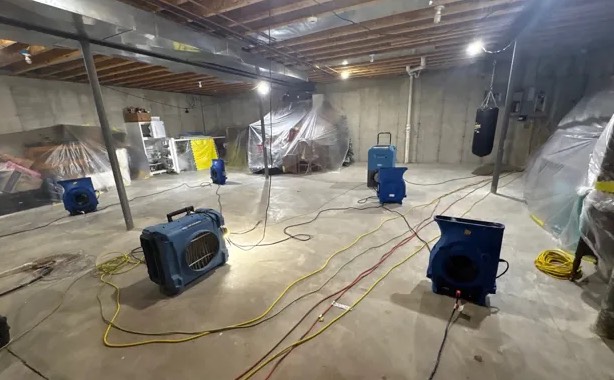
Reliable Basement Water Removal Near Graham, Washington
In Graham, a finished basement or lower level takes more work after a flood. Carpet, pad, laminate, drywall and insulation all trap water against the concrete and framing.
Homeowners in Graham can call (425) 386-5713 day or night when the basement is taking on water. Service also covers Orting, Spanaway and Prairie Ridge, with the same pumping and drying steps.
Comprehensive Basement Water Removal Solutions
Basement Dehumidification
After drying, a household dehumidifier may still be needed to keep basement humidity in a healthy range.
Basement Floor Water Damage
Concrete floors are squeegeed, extracted and dried with airflow and dehumidifiers until moisture readings drop.
Emergency Basement Flooding
Emergency response starts with making power safe, stopping the source if possible and pumping out the water.
Basement Drying Services
Equipment stays until the basement reads dry, not just until it looks dry. Removing it early lets dampness return.
Basement Moisture Inspection
Readings are recorded at each visit, giving you and your insurer a clear record of the drying.
When to Call for Basement Water Removal in Graham
Standing Water in Basement
Standing water anywhere on the basement floor needs to be pumped out before it soaks the walls.
Sump Pump Failure or Overflow
A sump pit that is full, overflowing or has a pump that will not start means water is about to spread.
Soggy or Wet Carpeting
Carpet that feels damp or smells sour is holding water in the pad against the concrete.
Wet or Damp Basement Walls
Basement walls that look dark, feel damp or show tide lines are taking on or holding water.
How Basement Water Removal Works in Graham
Step 1: Source Control and Water Pump Out
The leak is shut off and standing water is pumped out, starting at the lowest point.
Step 2: Water Extraction
Extractors pull water from carpet, pad and concrete, and wet vacs clear corners and stairs.
Step 3: Dehumidification and Drying
Large dehumidifiers and air movers dry walls, framing and slab over several days.
Step 4: Inspection and Clearance for Repair
Final readings confirm the basement is dry and ready for drywall and flooring repairs.
Common Causes of Basement Flooding in Graham
High Water Table and Hydrostatic Pressure
A high water table presses groundwater against the slab and walls, forcing it inside.
Sewer Line Backups and Blockages
A blocked sewer line can push wastewater up through basement floor drains and toilets.
Foundation Cracks and Seepage
Cracks in foundation walls and the slab let groundwater seep in during wet weather.
Improper Landscape Grading
Soil that slopes toward the house directs rainwater straight to the basement walls.
House and Business Basement Water Removal in Graham
Residential Basement Water Removal
Finished basements used as bedrooms or family rooms need careful moisture checks behind walls and under flooring, since that is where water hides.
Commercial Basement Water Removal
Businesses with below-grade storage need wet inventory moved out and documented. Drying is planned around daily operations wherever possible.
Professional Basement Water Removal Versus Do-It-Yourself
Do not step into basement water if cords, outlets or appliances are in it. Shut off power at the panel only if you can reach it from a dry spot, then call (425) 386-5713.
Investing in Professional Basement Water Removal
Waterproofing and drainage work are separate costs. In Graham, they may be needed to stop the next flood.
Time of Service
Night, weekend and storm calls can cost more than a scheduled weekday visit.
Additional Services
Antimicrobial treatment, contents cleaning and repairs after drying add to the cost.
Drying Time Required
Basements dry slowly, and each extra day of equipment adds to the total.
Does Insurance Cover Basement Water Removal?
Photograph the water level, damaged belongings and appliances before cleanup, and keep receipts for emergency pumping and drying equipment for your adjuster.
Why Choose Local Pros for Basement Water Removal in Graham
Focus on Drying Outcomes
Drying continues until readings are normal, not just until surfaces look dry.
Clear Communication
You get plain updates on what was found, what was removed and how drying is going.
Moisture Inspection
Meters and thermal cameras find water in walls, floors and slab that looks dry.
Emergency Basement Flood Response in Graham
Water still rising in the basement? Call (425) 386-5713 now for basement water removal in Graham before the water reaches finished rooms and stored belongings.
Call Now (425) 386-5713Communities Served for Basement Water Removal
Need basement water removal outside Graham? Service also covers Orting, Spanaway and Prairie Ridge, including emergency help during storms.
- Basement Water Removal in Orting
- Basement Water Removal in Spanaway
- Basement Water Removal in Prairie Ridge
- Basement Water Removal in Puyallup
- Basement Water Removal in Parkland
- Basement Water Removal in Sumner
- Basement Water Removal in Bonney Lake
- Basement Water Removal in Fife
- Emergency Damage Restoration in 98338
- Storm Damage Restoration in 98338
- Water Damage Restoration in 98338
- Water Extraction Service in 98338
- Water Leak Detection in 98338
- Water Removal Service in 98338
Basement Water Removal in Graham: Your Questions
Can I dry my basement myself with fans?
Fans help with surface water, but walls and concrete need dehumidifiers and readings to dry fully.
How is contaminated water handled in a basement?
With protective gear, containment, removal of porous materials and disinfection of hard surfaces before drying.
Does basement flood cleanup include mold prevention?
Fast drying is the main prevention. Wood and concrete that stayed wet can be treated with an antimicrobial once dry.
How does a basement moisture inspection work?
Moisture meters and thermal cameras check walls, floors and the slab, including behind finished walls and under flooring.
Why is basement dehumidification important after pumping?
Walls and concrete keep releasing moisture for days. Dehumidifiers remove it so the basement does not stay damp.