Martha Lake, WA · Snohomish County
Basement Water Removal in Martha Lake, WABasement Moisture Inspection & Basement Floor Water Damage
Homeowners in Martha Lake get Basement Water Removal for basement floor water damage, basement water pump out and basement moisture inspection.
Answered 24/7
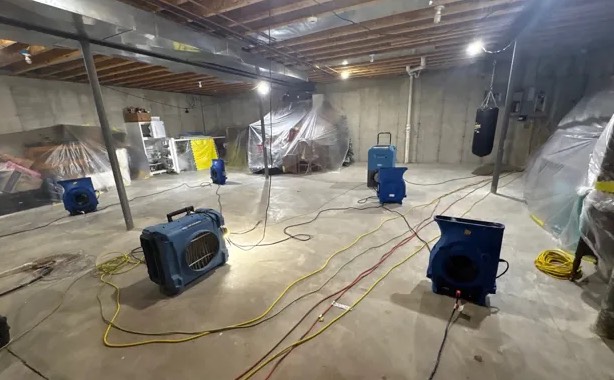
Professional Basement Water Removal in Martha Lake, WA
In Martha Lake, a finished basement or lower level takes more work after a flood. Carpet, pad, laminate, drywall and insulation all trap water against the concrete and framing.
Homeowners in Martha Lake can call (425) 386-5713 day or night when the basement is taking on water. Service also covers Mill Creek, Alderwood Manor and Lynnwood, with the same pumping and drying steps.
Basement Water Removal Services in Martha Lake
Basement Moisture Inspection
An inspection shows how high water wicked up the walls and how far it spread under flooring, which sets the drying plan.
Basement Floor Water Damage
Water on a basement floor soaks into carpet pad, laminate seams and the concrete itself. Floor coverings are lifted where needed so the slab can dry.
Basement Dehumidification
Large dehumidifiers pull moisture from basement air, which lets walls, framing and the slab release the water they absorbed.
Basement Water Pump Out
Pumping starts once power to the basement is safe. Deep water goes first, then extractors handle the thin layer left on the floor.
Basement Drying Services
After pumping, air movers and dehumidifiers dry the walls, framing and slab. Readings are taken daily until every surface is back to normal.
Common Symptoms Requiring Basement Water Removal
Rusted Appliances or Furniture
Rust on appliance bases, furniture legs or metal shelving points to standing water or long-term dampness.
Wet or Damp Basement Walls
Basement walls that look dark, feel damp or show tide lines are taking on or holding water.
High Humidity and Condensation
Water on pipes and windows, or a constantly clammy feel, means basement humidity is too high.
Water Stains on Walls or Ceiling
Stains on lower walls or the ceiling below a bathroom or kitchen point to a leak.
How Basement Water Removal Works in Martha Lake
Step 1: Source Control and Water Pump Out
The leak is shut off and standing water is pumped out, starting at the lowest point.
Step 2: Water Extraction
Extractors pull water from carpet, pad and concrete, and wet vacs clear corners and stairs.
Step 3: Dehumidification and Drying
Large dehumidifiers and air movers dry walls, framing and slab over several days.
Step 4: Inspection and Clearance for Repair
Final readings confirm the basement is dry and ready for drywall and flooring repairs.
What Causes Water Damage in Basements
Appliance Malfunctions and Overflows
Washers, utility sinks and water softeners in the basement can overflow or leak.
High Water Table and Hydrostatic Pressure
A high water table presses groundwater against the slab and walls, forcing it inside.
Sump Pump Malfunction or Power Loss
A sump pump that fails mechanically or loses power during a storm lets groundwater rise.
Heavy Rainfall and Storm Flooding
Heavy rain saturates the soil and pushes water through walls, cracks and the floor joint.
Residential and Commercial Basement Water Removal in Martha Lake
Residential Basement Water Removal
Finished basements used as bedrooms or family rooms need careful moisture checks behind walls and under flooring, since that is where water hides.
Commercial Basement Water Removal
Businesses with below-grade storage need wet inventory moved out and documented. Drying is planned around daily operations wherever possible.
When to Hire Local Pros for Basement Water Removal
A small puddle on bare concrete can be handled with a wet vac, towels and a dehumidifier. Call local water damage pros if water reached carpet, drywall or framing, or covers much of the floor.
Understanding Basement Water Removal Pricing
The cost of basement water removal in Martha Lake depends on how deep the water is, what type of water it is and how much finished material has to come out.
Drying Time Required
Basements dry slowly, and each extra day of equipment adds to the total.
Water Depth and Volume
Deeper water takes more pumping time and usually means more materials got wet.
Access and Complexity
Narrow stairs, low ceilings and crowded storage areas make the work slower and longer.
Does Insurance Cover Basement Water Removal?
Flooding from outside water usually needs separate flood insurance. Water from a broken pipe or appliance inside is more often covered.
The Value of Professional Basement Water Removal
24/7 Emergency Response
Help is available day or night when water is rising in the basement.
Detailed Damage Documentation
Photos, readings and drying logs are kept to support your insurance claim.
Methodical Water Removal Process
Water is removed in a set order: pump-out, extraction, removal of soaked materials, then drying.
Emergency Basement Flood Response in Martha Lake
Standing water in a basement soaks walls and floors by the hour. Call (425) 386-5713 for basement water removal in Martha Lake at any time, day or night.
Call Now (425) 386-5713Basement Water Removal Serving Martha Lake and Surroundings
Help with basement water removal reaches Mill Creek, Alderwood Manor and Lynnwood, plus other communities around Martha Lake, for finished and unfinished basements alike.
Frequently Asked Basement Water Removal Questions
Is a sump pump failure an emergency?
Yes, especially during rain. Groundwater can rise quickly once the pump stops, flooding the floor and finished rooms.
Can wet drywall in a basement be saved?
Sometimes, if the water was clean and removed quickly. Soaked or contaminated drywall is cut out above the water line.
Does basement flood cleanup include mold prevention?
Fast drying is the main prevention. Wood and concrete that stayed wet can be treated with an antimicrobial once dry.
Why is fast water removal so important for basements?
Basements dry slowly, so every hour of standing water adds drying days and more materials to replace.
Can I dry my basement myself with fans?
Fans help with surface water, but walls and concrete need dehumidifiers and readings to dry fully.