Des Moines, WA · King County
Clean Water Extraction (Category 1) in Des Moines, WAAppliance Leak Water Cleanup & Clean Water Removal From Flooring
Clean Water Extraction (Category 1) in Des Moines covers standing water pump out, wet carpet water extraction and hard surface floor drying.
Answered 24/7
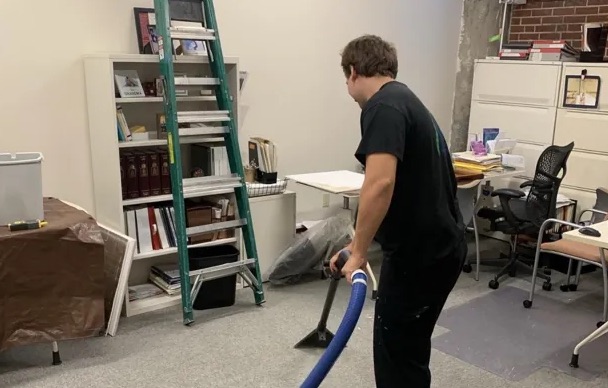
Local Clean Water Extraction (Category 1) Services for Des Moines Homes
Category 1 water is clean water from a sanitary source: a broken supply line, a leaking water heater, an overflowing sink with no waste in it. In Des Moines, it is the most common kind of water damage, and the easiest to recover from when handled fast.
Homeowners in Des Moines can call (425) 386-5713 day or night when clean water floods a room. Service also covers Normandy Park, SeaTac and Kent, with the same extraction and drying steps.
Complete Clean Water Extraction (Category 1) Services in Des Moines
Appliance Leak Water Cleanup
Clean appliance water dried quickly usually leaves cabinets and flooring in good shape. Readings confirm when the area is dry.
Clean Water Removal From Flooring
Floors are dried until readings match unaffected areas, so new flooring or refinishing does not trap moisture.
Wet Carpet Water Extraction
Clean water in carpet is pressed out with weighted extraction tools. Because the water is clean, the carpet can often be dried and kept.
Standing Water Pump Out
Standing water from a supply line or appliance is pumped out with submersible pumps when it is more than shallow, then floors are extracted.
Hard Surface Floor Drying
Laminate and vinyl plank are checked for water trapped beneath. Planks that cupped or lifted are noted for replacement.
Indicators for Professional Clean Water Extraction (Category 1) in Des Moines
Musty Odors After a Leak
A musty smell a day or two after a leak means water is still trapped in carpet, walls or subfloor.
High Indoor Humidity
A room that feels damp or fogs windows after a leak still has wet materials releasing moisture.
Damp Hardwood or Tile Floors
Hardwood or tile that feels damp, or grout that stays dark, has water soaking in or underneath.
Water Stains on Ceilings
A new stain on the ceiling usually means clean water from a pipe or fixture above.
How Clean Water Extraction (Category 1) Works in Des Moines
Step 1: Leak Identification and Control
The leaking line, appliance or fixture is found and shut off so no more water enters.
Step 2: Water Removal Process
Water is removed quickly while it is still clean, which keeps more materials salvageable.
Step 3: Dehumidification
Dehumidifiers pull moisture from the air so walls, floors and cabinets can dry evenly.
Step 4: Post-Drying Documentation
Photos, readings and drying logs are provided for your records and insurer.
Common Causes of Water Damage in Des Moines
Appliance Malfunctions
Washers, dishwashers and refrigerators fail at hoses and fittings and leak onto the floor.
Burst or Leaking Pipes
Pipes can crack or burst from age, pressure or cold, releasing clean water into the house.
Hydrostatic Pressure in Slabs
Groundwater pressure under a slab can push clean water up through cracks in the floor.
Overflowing Sinks or Tubs
Sinks and tubs left running overflow with clean water onto floors and into rooms below.
Residential & Commercial Clean Water Extraction (Category 1) in Des Moines
Residential Clean Water Extraction (Category 1)
In homes, clean water leaks usually come from laundry rooms, kitchens and water heater closets. Water is extracted, belongings protected and floors and walls dried so they can stay.
Commercial Clean Water Extraction (Category 1)
In offices and stores, a supply line break can soak carpet and walls across several rooms. Extraction and drying are planned around business hours to keep the space open.
Clean Water Extraction (Category 1) vs. DIY Cleanup in Des Moines
Do not walk into standing water if outlets or cords are submerged. Turn off power at the panel only if you can reach it from a dry spot, then call for help.
Understanding Clean Water Extraction (Category 1) Cost in Des Moines
In Des Moines, clean water jobs usually cost less than dirty water jobs, because more carpet, drywall and flooring can be dried in place.
Water Category and Source
Clean water costs less to handle than gray or black water, since more materials can be dried in place.
Equipment Needs
The number of air movers, dehumidifiers and pumps needed, and for how long, drives much of the cost.
Material Saturation Level
Materials soaked through take longer to dry than materials that were only damp on the surface.
Does Insurance Cover Clean Water Extraction (Category 1)?
Photograph the water, the source and damaged belongings before cleanup, and keep receipts for emergency extraction and drying equipment for your adjuster.
Benefits of Local Clean Water Extraction (Category 1) in Des Moines, WA
24/7 Emergency Response
Help is available day or night, so clean water is extracted before it soaks deeper or gets dirtier.
Source Analysis
The pros find the leak source and note it, so the right repair is made.
Clear Communication and Updates
You get plain updates on what is wet, what can be saved and how long drying should take.
Emergency Water Extraction for Des Moines
Water spreading from a pipe or appliance in Des Moines? Shut off the water, move belongings and call (425) 386-5713. Help is available 24/7.
Call Now (425) 386-5713Clean Water Extraction (Category 1) for Des Moines and Surrounding Communities
Nearby areas served for clean water extraction (category 1) include Normandy Park, SeaTac and Kent, with the same extraction and drying steps used in Des Moines.
- Clean Water Extraction (Category 1) in Normandy Park
- Clean Water Extraction (Category 1) in SeaTac
- Clean Water Extraction (Category 1) in Kent
- Clean Water Extraction (Category 1) in Tukwila
- Clean Water Extraction (Category 1) in Burien
- Clean Water Extraction (Category 1) in Federal Way
- Clean Water Extraction (Category 1) in Auburn
- Clean Water Extraction (Category 1) in Seattle (West/South)
- Emergency Damage Restoration in 98198
- Storm Damage Restoration in 98198
- Water Damage Restoration in 98198
- Water Extraction Service in 98198
- Water Leak Detection in 98198
- Water Removal Service in 98198
Your Clean Water Extraction (Category 1) Questions Addressed
How long does clean water damage cleanup take?
Extraction takes hours, and drying usually takes a few days, depending on materials and how long the water sat.
What happens after the water is pumped out?
Carpet and floors are extracted, walls and subfloors are checked with meters and drying equipment runs until readings are normal.
What is the goal of water mitigation services?
To limit the damage by removing water and drying materials before they need to be replaced.
How is moisture detected after water extraction?
Moisture meters and thermal cameras check floors, walls and ceilings, comparing readings to dry, unaffected areas.
What is clean water extraction (Category 1)?
Removing water from a sanitary source, like a supply line or water heater, and drying the affected materials before the water becomes contaminated.