Des Moines, WA · King County
Contaminated Water Removal in Des Moines, WAToxic Spill Water Removal & Sewage Water Cleanup
Get contaminated water removal in Des Moines for sewage water cleanup, sewage backup water removal and gray water damage cleanup.
Answered 24/7
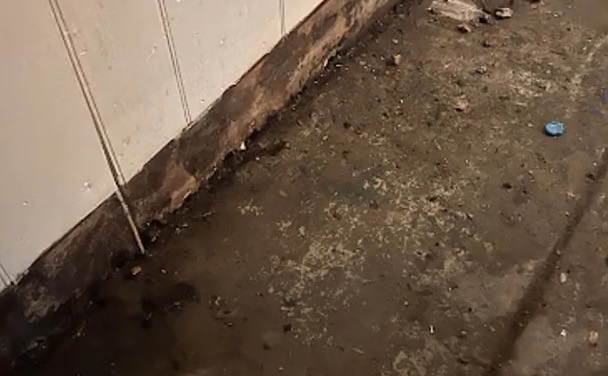
Expert Contaminated Water Removal for Des Moines Homes and Businesses
Drying contaminated materials does not make them clean. In Des Moines, running fans on sewage-soaked carpet or drywall spreads odor and contamination through the house.
A sewer backup in Des Moines can contaminate a whole floor quickly. Local contaminated water removal pros serve Des Moines and nearby Normandy Park, SeaTac and Kent, with help available around the clock.
Detailed Contaminated Water Removal Methods in Des Moines, WA
Toxic Spill Water Removal
Larger chemical or fuel spills may need a hazardous materials contractor. The pros handle the water damage once the area is safe.
Sewage Water Cleanup
Contaminated materials are bagged and disposed of according to local rules, and the removed items are listed for insurance.
Black Water Extraction
Black water, such as sewage or outside floodwater, is extracted with protective gear, and everything it touched is cleaned or removed.
Sewage Backup Water Removal
Sewage from a backed-up toilet, floor drain or tub is extracted with protective gear, and the affected area is sealed off from clean rooms.
Gray Water Damage Cleanup
Gray water can carry soap, food and bacteria. If it sits for a day or two, it is treated more like black water.
Warning Signs You Need Contaminated Water Removal in Des Moines
Mold After a Flood
Dark spots on walls or floors after a flood mean contaminated materials have stayed wet too long.
Foul Odors From Standing Water
Standing water with a foul or sewage smell is contaminated and should not be touched without protection.
Sewage Backup in Home
Sewage coming up through toilets, tubs or floor drains is black water and needs protective cleanup right away.
Gray Water From Appliance Leaks
Water from a washer or dishwasher drain is gray water and needs cleaning, not just drying.
How Contaminated Water Removal Works in Des Moines
Step 1: Initial Hazard Assessment
The type of contamination is identified and the right protective gear is chosen.
Step 2: Source Control and Water Extraction
The backup or leak is stopped, and contaminated water is extracted right away.
Step 3: Removal and Disposal
Contaminated materials are removed, bagged and disposed of according to local rules for that kind of waste.
Step 4: Drying and Dehumidification
Clean surfaces are dried with dehumidifiers and air movers until readings are normal.
What Causes Contaminated Water Incidents in Des Moines
Gray Water Source Overflow
Overflowing laundry tubs and sinks send gray water across floors and into nearby rooms.
Septic Tank Backups
A full or failing septic system sends wastewater back up through the lowest drains.
Severe Sewer Line Blockages
Tree roots, grease and debris block sewer lines and push wastewater back into the home.
Plumbing System Failures
Cracked drain pipes and failed fittings leak wastewater into walls, floors and crawl spaces.
Property Contaminated Water Removal for All Des Moines Buildings
Residential Contaminated Water Removal
Families with young children, older adults or anyone with health concerns should stay out of contaminated areas until cleanup and disinfection are done.
Commercial Contaminated Water Removal
Restaurants and food businesses need contaminated areas cleaned and disinfected to meet health rules before food prep resumes.
The Risks of DIY Contaminated Water Removal in Des Moines
If you are not sure whether the water is clean, treat it as contaminated. Keep everyone, including pets, away from it and call (425) 386-5713 for an assessment.
Factors Affecting Contaminated Water Removal Cost in Des Moines
In Des Moines, black water cleanup usually costs more than gray water cleanup, because more materials are removed and every surface is disinfected.
Sanitization Procedures
Disinfecting every affected surface, from floors to lower walls, takes time and specialized products.
Water Source and Volume
A large volume of water, or water from several sources, adds pumping and cleanup time.
Access Complexity
Crawl spaces, basements and tight areas take longer to reach and clean safely.
Does Insurance Cover Contaminated Water Removal?
Insurers often ask where the water came from, since coverage for sewage, gray water and floodwater differs. Notes on the source help answer that.
Benefits of Local Pros for Contaminated Water Removal in Des Moines, WA
24/7 Emergency Response
Help is available day or night, because contaminated water cannot wait for business hours.
Containment and Sanitization
The area is sealed off and cleaned so contamination stays out of clean rooms.
Contaminant Handling
Each type of contamination is handled with the right protective gear and cleaning products.
24/7 Emergency Contaminated Water Removal in Des Moines
If contaminated water is near outlets or appliances, shut off power at the panel if it is safe and stay out of it. Then call (425) 386-5713 for help.
Call Now (425) 386-5713Local Contaminated Water Removal Areas Including Des Moines
Help with contaminated water removal is also available in communities near Des Moines, including Normandy Park, SeaTac and Kent, for sewage backups, gray water leaks and floodwater.
- Contaminated Water Removal in Normandy Park
- Contaminated Water Removal in SeaTac
- Contaminated Water Removal in Kent
- Contaminated Water Removal in Tukwila
- Contaminated Water Removal in Burien
- Contaminated Water Removal in Federal Way
- Contaminated Water Removal in Auburn
- Contaminated Water Removal in Seattle (West/South)
- Emergency Damage Restoration in 98198
- Storm Damage Restoration in 98198
- Water Damage Restoration in 98198
- Water Extraction Service in 98198
- Water Leak Detection in 98198
- Water Removal Service in 98198
Common Contaminated Water Removal Questions Answered
What equipment is used for contaminated water removal?
Pumps and extractors, protective gear, disinfectants and air scrubbers, plus dehumidifiers, air movers and moisture meters for drying.
How quickly should black water removal begin?
Right away. Black water spreads bacteria and odor into materials the longer it sits, increasing what must be removed.
What happens during the drying phase after cleanup?
Air movers and dehumidifiers dry the cleaned structure, and readings are taken daily until it is normal.
What should be done while waiting for contaminated water removal?
Stop water use, keep people and pets away, shut off power to wet areas if safe and take photos.
How does emergency water mitigation help prevent mold?
Removing contaminated water and materials quickly and drying the structure keeps microbial growth from starting.