Silver Firs, WA · Snohomish County
Damage Restoration Services in Silver Firs, WAMold Remediation Services & Emergency Water Extraction
Get Damage Restoration Services in Silver Firs for emergency water extraction, sewage backup cleanup and storm damage repair.
Answered 24/7
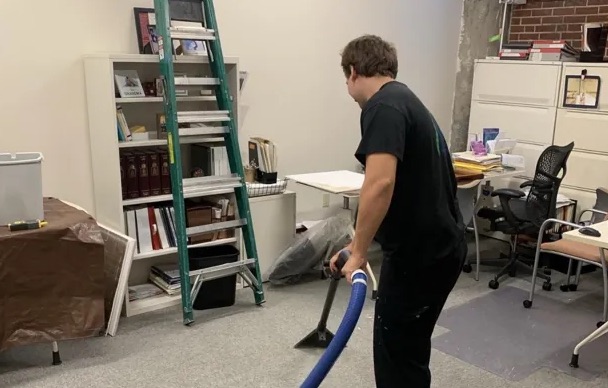
Local Damage Restoration Services for Silver Firs Properties
The first day after water damage in Silver Firs matters most. Drywall wicks water upward, carpet pad breaks down and wood swells, and after a day or two the risk of microbial growth rises.
A storm or burst pipe in Silver Firs can damage several rooms overnight. Local water damage restoration specialists serve Silver Firs and nearby Eastmont, Mill Creek and Martha Lake, with help around the clock.
Damage Restoration Services Available for Silver Firs
Mold Remediation Services
The moisture source is found and stopped first, since mold returns if the area keeps getting wet.
Emergency Water Extraction
Extraction removes the bulk of the water quickly, which shortens drying time and limits how much flooring and drywall must be replaced.
Storm Damage Repair
Storm water from outside is treated as contaminated, so soaked porous materials are removed before drying.
Fire Sprinkler Water Cleanup
Rooms that got wet but not burned are dried quickly so they do not develop odors or water stains.
Structural Drying Services
The drying plan is adjusted each day, moving equipment from dry areas to areas that still read wet.
Red Flags for Emergency Damage Restoration Services
Unexplained Musty Odors
A musty smell with no clear source often means hidden moisture in walls, floors or the ceiling.
Persistent Dampness in Carpets
Carpet that stays damp days after a spill or leak is holding water in the pad.
Sewage Odors in the Home
A sewage smell in the house can mean a drain backup or leaking drain line.
Discolored Walls or Ceilings
Stains or discoloration on walls and ceilings show water soaking in from a leak nearby or above.
How Damage Restoration Services Work in Silver Firs
Step 1: Safety Evaluation and Mitigation
Electrical hazards and sagging ceilings are checked, and further damage is limited.
Step 2: Contaminant and Water Extraction
Water is extracted with protective gear where it is contaminated, and soaked porous materials are bagged.
Step 3: Targeted Drying and Monitoring
Equipment is aimed at the wettest materials and moved as each area dries.
Step 4: Restoration Readiness
Final readings confirm the structure is dry and ready for drywall, flooring and paint.
Common Causes of Water Damage in Silver Firs
Roof Leaks and Compromises
Damaged shingles, flashing and roof vents let rain into attics and ceilings.
Firefighting Water
Water from hoses and sprinklers used to put out a fire soaks rooms throughout the building.
Plumbing System Failures
Burst pipes, failed fittings and leaking supply lines release water inside walls and floors.
HVAC Condensation Issues
Clogged AC condensate lines overflow into closets, attics and the ceilings below them.
Damage Restoration Services for Homes and Businesses in Silver Firs
Residential Damage Restoration Services
Families with young children or pets should stay out of areas with sewage or floodwater until they are cleaned.
Commercial Damage Restoration Services
Restaurants, medical offices and schools need contaminated water cleanup that meets the health rules for those spaces before reopening.
The Risks of DIY Damage Restoration Services Attempts
Sewage and floodwater should not be cleaned up without gloves, boots and eye protection. For any backup through a drain or toilet, call local water damage restoration specialists.
Understanding Damage Restoration Services Cost in Silver Firs
Repairs to drywall, flooring and roofs are separate from water removal and drying. In Silver Firs, they follow once the structure is dry.
Type of Contaminant
Clean water costs less to handle than sewage or floodwater, which needs disinfection and more removal.
Extent of Damage
More rooms and materials affected means more extraction, more removal and more drying time.
Post-Restoration Repairs
Drywall, flooring and other repairs after drying are separate from the water removal cost.
Does Insurance Cover Damage Restoration Services?
Photograph the water, the source and damaged belongings before cleanup starts, and keep receipts for emergency extraction and drying equipment.
Reasons for Professional Damage Restoration Services Intervention
Detailed Documentation
Photos, readings and drying logs are kept to support your insurance claim.
Containment
Plastic sheeting keeps contaminated or dusty work areas separate from clean rooms.
Odor Control
Odors are handled by drying and removing wet materials, with deodorizing where needed.
24/7 Emergency Damage Restoration Services in Silver Firs
Night, weekend or holiday, the specialists handle water damage in Silver Firs. Call (425) 386-5713 to get the water out and drying started.
Call Now (425) 386-5713Damage Restoration Services Coverage for the Silver Firs Region
Each place listed below has its own page with local details.
- Damage Restoration Services in Eastmont
- Damage Restoration Services in Mill Creek
- Damage Restoration Services in Martha Lake
- Damage Restoration Services in Snohomish
- Damage Restoration Services in Alderwood Manor
- Damage Restoration Services in Burien
- Damage Restoration Services in Covington
- Damage Restoration Services in Kent
Frequently Asked Damage Restoration Services Questions
What are signs I need help with water damage and mold?
Musty smells, dark spots on walls or ceilings, damp carpet and stains that keep spreading after a leak.
What items can be saved after water damage?
Hard items and solid wood often can. Items soaked by sewage or floodwater, especially soft ones, usually cannot.
What does following industry drying standards mean?
Using moisture readings to guide drying and confirming materials are dry before equipment is removed.
What happens to the water damage after a fire is put out?
Water from hoses and sprinklers is extracted, soaked materials are removed and the structure is dried.
What does storm damage repair usually involve for water?
Tarping roof openings, extracting water that came in, removing soaked materials and drying the structure.