Sammamish, WA · King County
Factory Damage Restoration in Sammamish, WAFactory Fire Damage Water Cleanup & Commercial Building Drying Services
Factory Damage Restoration in Sammamish relies on factory flood water extraction, industrial sewage backup cleanup, and factory storm damage water removal.
Answered 24/7
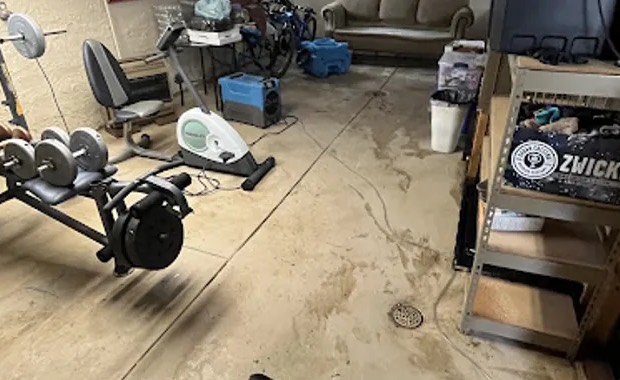
Expert Factory Damage Restoration in Sammamish, Washington
Industrial building drying in Sammamish, a complex process designed for large, open spaces with high ceilings. Concrete floors and steel framing hold moisture differently than homes, so drying takes longer and is checked with meters.
For factory flooding in Sammamish, local water extraction experts remove the water and dry the building. They provide services to Redmond, Issaquah and Carnation as well, using advanced tools for factory leak water extraction and commercial building drying to restore operational safety.
Factory Damage Restoration Solutions in Sammamish
Factory Fire Damage Water Cleanup
Firefighting water cleanup involves removing moisture from complex machinery. The pros use extraction wands and wet vacuums designed for sensitive areas.
Commercial Building Drying Services
Drying a commercial building like a factory requires powerful equipment. The experts create a tailored plan for its specific layout and materials in Sammamish.
Factory Storm Damage Water Removal
Storm water coming through damaged roofing or walls threatens electrical systems and inventory. The initial step in storm damage factory repair is often securing the building envelope, followed by extraction of the intruded water.
Factory Moisture Inspection
A moisture inspection finds every wet area. The pros document readings with photos and notes for a restoration guide and insurance claim.
Factory Flood Water Extraction
Machinery leaks or major pipe failures can release large water volumes. Truck-mounted extraction systems often clear the area, focusing on subfloor cavities and trenches.
When to Consider Factory Damage Restoration in Sammamish
Fire Damage Soot and Water
After a factory fire, water used to fight it causes secondary damage. Factory fire damage restoration addresses both issues.
Soggy Insulation in Walls
Wet insulation loses its thermal value and can foster mold. Industrial property restoration involves removing and replacing it.
Warped Factory Wall Panels
Warping or bubbling on walls points to ongoing water intrusion. A factory moisture inspection can find the source.
Storm Damaged Loading Docks
Wind-driven rain flooding entryways needs storm damage factory repair. Industrial water damage restoration secures the building envelope.
How Factory Damage Restoration Works in Sammamish
Step 1: Initial Factory Moisture Inspection
A moisture inspection finds all wet areas and moisture sources. This plan guides the entire industrial mold remediation services if needed.
Step 2: Contaminated Water Extraction
For sewage or flood water, hazardous material protocols are followed during extraction. Factory leak water extraction here protects worker and occupant health.
Step 3: Air Scrubbing and Drying
Air scrubbers filter contaminants while industrial-grade dryers circulate air aggressively. This commercial water removal step cleans the air and dries surfaces fast.
Step 4: Post-Remediation Verification Testing
After drying and cleaning, the area is tested to confirm it is clean and dry. This final step completes the factory fire damage restoration or flood recovery.
Typical Sources of Factory Damage in Sammamish
Factory Flooding From Storms
Heavy rain can overwhelm drainage and flood low-lying parts of a factory floor, stopping production until the water is removed.
Burst Pipes in Process Lines
High-pressure water or steam lines can fail, spraying the area. The pros contain the leak and extract the water.
Overland Flooding Into the Building
Nearby water bodies overflowing can inundate ground-floor factory spaces. Water removal gets the business running again.
Foundation Cracks and Seepage
Hydrostatic pressure can push groundwater through cracks in the factory slab. Industrial building drying is needed to stabilize the foundation environment.
Commercial Factory Damage Restoration in Sammamish
Factory Damage Restoration for Homeowners
Residential storm damage often involves roof leaks around shingles or window leaks from driven rain. The pros perform water extraction and structural drying in these areas to prevent long-term issues like rot or mold within the house's framing.
Factory Damage Restoration for Owners and Facility Managers
Commercial storm damage can compromise large sections of roofing membrane or metal siding on a factory. Storm damage factory repair involves stabilizing the structure and performing extensive water removal to protect inventory, equipment, and the capital investment from further degradation.
DIY vs. Professional Factory Damage Restoration in Sammamish
For exposed surfaces that are visibly wet, wiping them down can slow moisture spreading. Hidden moisture in insulation, high humidity or a lingering odor calls for a moisture inspection with detection tools.
Industrial Damage Restoration Cost in Sammamish
The extent of commercial water removal required, from surface extraction to deep structural drying, determines the equipment deployment and duration, which impacts the final service cost in Washington.
Structural Complexity
High ceilings, mezzanines, or concrete subfloors in factories can complicate factory leak water extraction and moisture inspection.
Content Handling
Protecting, moving, or cleaning factory machinery and inventory adds steps to the industrial property restoration process.
Drying Duration
The time needed to achieve dry standard readings with industrial building drying equipment influences project length and resource use.
Does Insurance Cover Factory Damage Restoration?
Whether insurance covers industrial water damage restoration hinges on the commercial policy's covered perils, like sudden pipe bursts or storm damage. The pros in Sammamish provide detailed evidence of the damage and the restoration process. Property owners must submit this to their insurer, as coverage decisions are made by the insurance company.
Benefits of Local Factory Damage Restoration Pros in Sammamish
24/7 Emergency Response
Quick action limits mold growth and corrosion on industrial equipment and metal surfaces.
Containment Protocols
For industrial mold removal, containment barriers and negative air pressure prevent spore spread to unaffected areas of your facility.
Industrial-Grade Equipment
High-capacity pumps, air movers and dehumidifiers are sized to handle large, open factory spaces.
Emergency Factory Damage Restoration Services in Sammamish
Storm damage or fire suppression flooding can halt factory operations. Call (425) 386-5713 day or night for storm water removal or fire-suppression water cleanup.
Call Now (425) 386-5713Factory Damage Restoration Coverage Around Sammamish, WA
Commercial properties throughout Sammamish and surrounding locations including Redmond, Issaquah and Carnation can access the experts for emergency incidents. This covers factory fire damage restoration, sewage backup cleanup, and roof leak response.
Factory Damage Restoration Common Questions
How long does industrial water damage restoration take?
Drying duration depends on the water volume, material types, and facility size. Commercial building drying services continue until moisture readings confirm the structure is dry.
Can factory storm damage water removal prevent mold?
Rapid water extraction and industrial building drying after storm intrusion remove the moisture mold needs to grow. Thorough drying is the primary mold prevention step.
Can industrial mold remediation services prevent future mold?
Remediation removes existing mold and the moisture source. Keeping the building dry and fixing leaks quickly prevents it from returning.
What safety measures are taken during factory mold removal?
Containment barriers, negative air machines, and proper respirators are used to isolate the work area and prevent spore spread during industrial mold remediation services.
Why does sewage in a factory need cleanup?
Sewage contains harmful pathogens. Rapid industrial sewage backup cleanup reduces health exposure risks and limits the spread of contamination in the facility.