Darrington, WA · Snohomish County
Floodwater Removal in Darrington, WAFlooded Basement Water Extraction & Emergency Flood Damage Mitigation
Floodwater Removal in Darrington handles flooded carpet water removal, flooded room drying services and sewage flood cleanup.
Answered 24/7
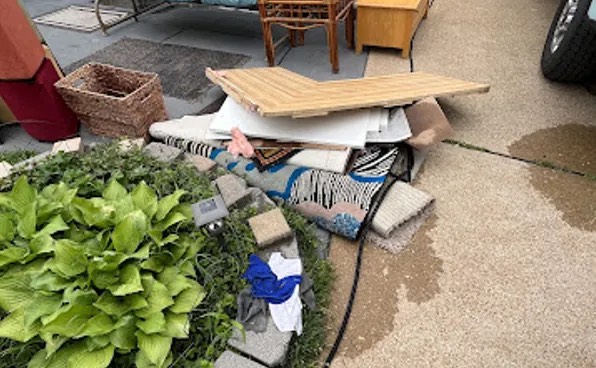
Local Floodwater Removal Services in Darrington, Washington
In Darrington, floodwater soaks floors, drywall and belongings and starts mold within a day or two. Getting it out quickly limits how much has to be torn out.
In Darrington, floodwater needs to come out quickly. Local floodwater removal pros remove standing water and dry the home, and they also work in nearby Granite Falls, Concrete and Arlington.
Floodwater Removal Methods Used in Darrington
Flooded Basement Water Extraction
When a basement floods, fast action is needed. The floodwater removal process starts with industrial-grade extraction equipment to remove hundreds of gallons of water.
Emergency Flood Damage Mitigation
The first hours after a flood are critical. Emergency mitigation involves water extraction, content removal, and installation of drying equipment to stabilize the property.
Sewage Flood Cleanup
Sewage floods in Darrington demand a cautious response. The removal of the contaminated water is just the first step.
Flooded Room Drying Services
Structural drying is a critical phase after floodwater removal. Experts use moisture meters and thermal imaging to locate hidden dampness, then strategically place drying equipment.
Flood Damaged Drywall Removal
In Darrington homes, flood-damaged drywall often needs to be removed. Pros systematically take out wet panels, which allows for proper drying of the wall studs and cavity.
Indicators That Require Floodwater Removal in Darrington
High Indoor Humidity Levels
Indoor humidity that stays high after a flood means drying is not finished.
Musty Odors After a Storm
A musty smell after a flood usually means water is still hiding in walls or under floors.
Swollen or Warped Baseboards
Swollen baseboards show the walls soaked up water and need to be checked.
Visible Water Lines on Walls
Visible water lines on drywall indicate significant water intrusion. The wet section of drywall usually has to be cut out.
How Floodwater Removal Works in Darrington
Step 1: Floodwater Pumping
The process begins with high-capacity pumps for storm flood water pumping, removing the bulk of standing water from basements, garages or ground floors.
Step 2: Contaminated Floodwater Removal Protocol
If water is contaminated, restoration pros follow safety protocols for removal and disposal. Affected areas are then cleaned and disinfected.
Step 3: Structural Drying of Flooded Rooms
Drying equipment is set up to reach water trapped in drywall, insulation and wall cavities.
Step 4: Damage Assessment for Restoration
Once dry, an assessment shows which materials, like drywall or flooring, need repair or replacement.
Leading Causes of Floodwater Intrusion in Darrington
Sump Pump Failure
A sump pump that fails in heavy rain leaves the basement open to flooding.
Foundation Cracks and Leaks
Cracks in a foundation let groundwater seep in during long, soaking rains.
Landscaping and Grading Issues
Yard grading that slopes toward the building sends storm water at the walls instead of away.
Appliance Malfunctions
Failed washing machine hoses, water heaters, or dishwasher lines can flood a room.
Floodwater Removal for All Property Types in Darrington
Residential Floodwater Removal
Flooded house cleanup demands rapid action to limit structural harm. The pros in Darrington remove standing water and start drying.
Commercial Floodwater Removal
A floodwater intrusion at a business can halt operations until standing water removal is complete. Photos and moisture logs help the owner file an insurance claim.
The Risks of DIY Floodwater Removal in Darrington
You can move smaller, undamaged furniture and belongings to a dry area to prevent further water exposure. Remove area rugs from wet floors. Avoid using household fans alone to dry carpets, as this can spread mold spores.
Floodwater Removal Cost Considerations in Darrington
Floodwater removal cost depends on how much water must be extracted, whether carpet comes out, and how long air movers and dehumidifiers run.
Location and Accessibility
Flooded basements or crawl spaces that are hard to reach take more labor to pump and dry.
Extent of Standing Water
How much water there is and how many areas are wet decide how long pumping and extraction take.
Affected Materials and Demolition
Porous materials like drywall and insulation often have to be removed, which adds cost.
Does Insurance Cover Floodwater Removal?
Standard homeowners policies usually exclude flood, which separate flood insurance typically covers. The pros document the damage and the materials removed, but you must confirm coverage limits and deductibles with your own insurer.
Benefits of Local Pros for Floodwater Removal in Darrington
Contaminated Water Protocols
For sewage, protective gear and disinfection are used to deal with the health risks.
Structural Drying Expertise
Knowing how framing and subfloor dry helps save them instead of tearing them out.
Industrial-Grade Drying Equipment
Air movers and dehumidifiers are set up to dry the home steadily after the flood.
Emergency Floodwater Removal Response in Darrington
Don't wait with contaminated floodwater in your home. For urgent water extraction service and storm flood water pumping in Darrington, reach the pros at (425) 386-5713.
Call Now (425) 386-5713Local Floodwater Removal Coverage for Darrington
Other places served are listed below, each with its own page.
Floodwater Removal Information and FAQs
Is flood damaged drywall always removed?
Drywall soaked by floodwater, especially dirty water, usually has to come out so the wall can dry and mold does not start.
What should I do before floodwater removal starts?
If it is safe, turn off power to the area, move small valuables and stay out of contaminated water. Do not use wet electronics.
Why is professional floodwater extraction needed?
Professional extractors and dehumidifiers remove water faster and more completely than DIY tools, which limits swelling and rot.
How quickly should floodwater extraction begin?
As soon as possible. Starting early limits damage and mold and saves more of the property.
What happens during flooded basement water extraction?
Pumps remove the standing water, extractors pull water from floors, and dehumidifiers and air movers dry the space.