Midland, WA · Pierce County
HVAC Leak Water Removal in Midland, WADuctwork Condensation Water Removal & Emergency HVAC Leak Cleanup
HVAC Leak Water Removal in Midland includes AC condensate leak water removal, HVAC drain line flood cleanup and moisture remediation for HVAC systems.
Answered 24/7
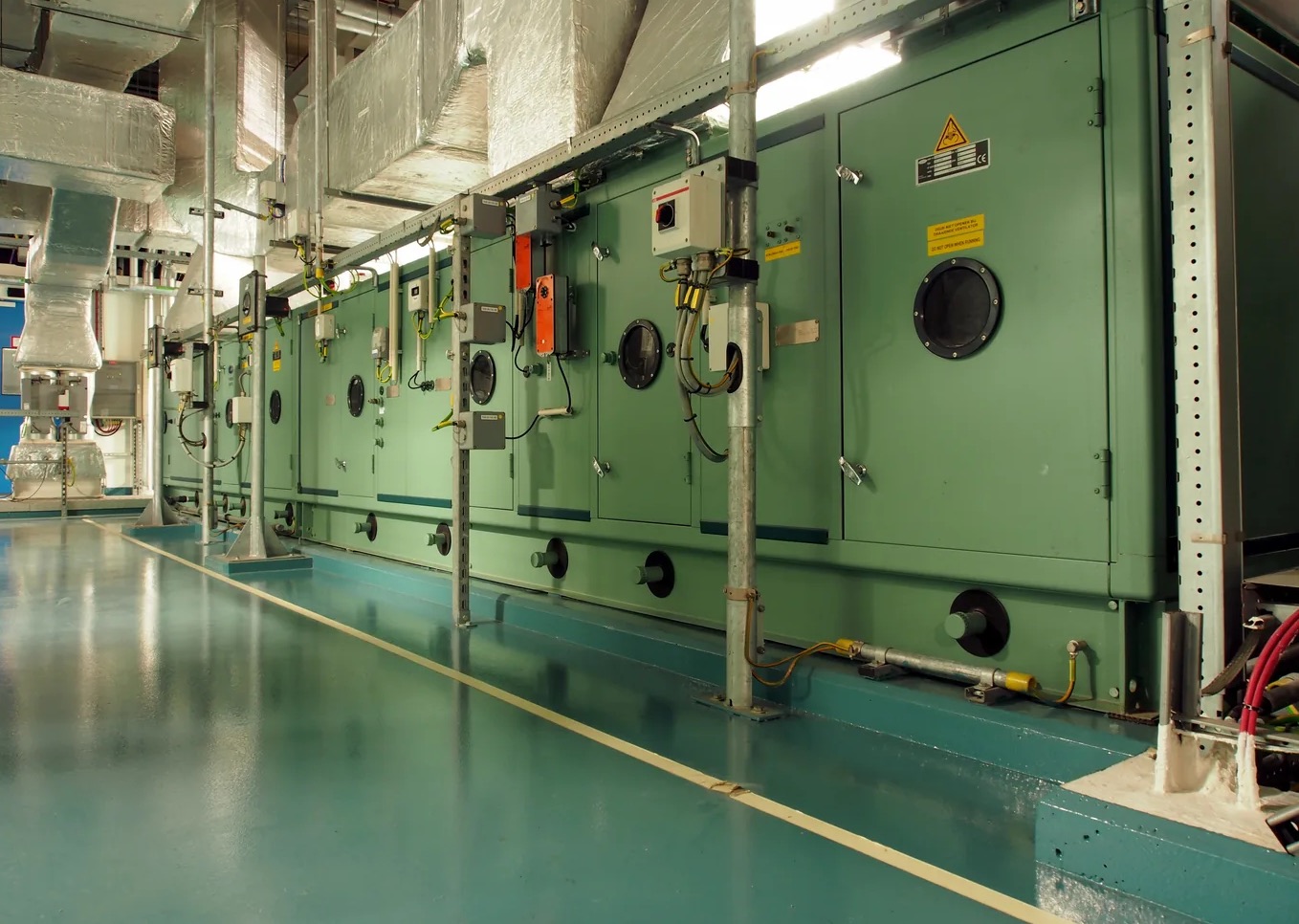
Local HVAC Leak Water Removal for Midland, Washington
Water from a failed drain line or condensate pump in Midland travels further than it looks. It follows framing and ducts into wall cavities and the rooms next to the unit.
When an HVAC leak occurs in Midland, water needs to come out quickly to protect interior finishes and electrical systems. Local water removal pros serve this community and nearby areas like Parkland, Fife and Tacoma, extracting water around the unit and drying wet ductwork before damage spreads.
Specialized HVAC Leak Water Removal Services in Midland
Ductwork Condensation Water Removal
Cold air inside ducts meeting warm, humid air causes sweating and droplets. Condensation soaks insulation and damages ceiling materials.
Emergency HVAC Leak Cleanup
An actively dripping or flooding HVAC leak is an emergency. Immediate cleanup focuses on water extraction and setting up drying equipment.
HVAC Cabinet Water Extraction
Water pooled inside a furnace or air handler cabinet is removed after the power is off, which protects the blower motor and the control board.
Coil Leak Water Damage Repair
A leaking evaporator or condenser coil drips water into the system or onto the floor. Repair begins with extracting all moisture.
Wet Insulation Removal Near HVAC
Saturated insulation near the HVAC unit loses R-value and can foster mold. Removal is often necessary for a proper dry-out.
Signs You Require HVAC Leak Water Removal in Midland
AC Drain Line Overflowing
Water spilling from the condensate drain line or its overflow port means the drain is blocked and needs attention now.
Visible Rust on Metal Components
Rust forming on the evaporator coil cabinet, drain pan, or supports indicates prolonged moisture exposure.
Water Puddles Under HVAC Unit
Standing water or persistent dampness around the air handler or furnace cabinet often signals an active HVAC leak.
Water Damage to Flooring
Warped laminate, cupped hardwood or soaked carpet near the HVAC unit shows the leak has reached the floor.
How HVAC Leak Water Removal Works in Midland
Step 1: Water Containment
The leak is contained first, then extractors pull water out of the HVAC cabinet and off the floor around it.
Step 2: HVAC Component Damage Evaluation
Wet parts like the drain pan, coil area and controls are noted so an HVAC contractor knows what to check or replace.
Step 3: Structural Drying Protocol
Drying equipment targets wet walls, subfloor and insulation near the unit so damage does not spread.
Step 4: Air Quality Sanitization
Once everything is dry, the cabinet area and nearby surfaces are cleaned to remove odor and residue.
Common Causes of HVAC Water Leaks in Midland
High Static Pressure in Ducts
An oversized system or closed vents can upset airflow and drainage, so condensate does not drain as it should.
Frozen Evaporator Coil Thawing
A coil freezing due to low refrigerant or airflow can release large volumes of water upon thawing.
Failed Condensate Pump
A condensate pump that fails in an attic or utility room cannot move water to the drain, so the reservoir overflows.
Cracked or Disconnected Drain Pan
A damaged or misaligned secondary drain pan beneath the evaporator coil fails to catch condensation overflow.
Commercial and Residential HVAC Leak Water Removal in Midland
Residential HVAC Leak Water Removal
In homes, an HVAC leak usually wets the ceiling under an attic unit or the walls and floor around the air handler closet. Wet insulation near the unit is removed so it does not hold water.
Commercial HVAC Leak Water Removal
In stores, offices and warehouses, leaks come from large air handlers, VAV boxes and ducts above the ceiling. The water is removed fast so the space can reopen.
HVAC Leak Water Removal: DIY Risks and Pro Solutions in Midland
You can inspect the condensate drain line's outside termination for blockages. Gently pouring distilled vinegar down the drain may clear minor algae. Check and replace a dirty air filter. Do not open the HVAC cabinet or handle electrical components.
Cost Insights for HVAC Leak Water Removal in Midland
Local water removal pros in Midland price the job based on how long the leak ran and how much it damaged. Wet ducts inside walls or ceilings take extra work to reach.
Emergency Service Timing
HVAC leak cleanup started at night, on weekends or on holidays may be billed at a different rate.
Drying Time and Equipment
The number of days ducts and materials take to dry decides how long the dehumidifiers run.
Post-Extraction Repairs
Some jobs need small drain line or insulation repairs after drying, which are priced separately.
Does Insurance Cover HVAC Leak Water Removal?
Insurance for emergency water removal from a leaking AC unit is not certain. Coverage may apply if the leak is sudden and accidental. Gradual leakage from lack of maintenance is often excluded.
Advantages of Local Pros for HVAC Leak Water Removal in Midland
Comprehensive Leak Source Identification
The pros trace the water to the drain line, coil or pan, so the right trade can fix the cause.
Detailed Damage Documentation
Photos and meter readings of the water damage give your adjuster clear records for the claim.
Containment and Air Filtration
The work area can be closed off so dust and moist air do not spread while wet materials are removed.
Emergency HVAC Leak Water Removal Services in Midland
Water damaged HVAC components risk mold and system failure. For HVAC leak water removal in Midland, a census-designated place in Pierce County, call (425) 386-5713 at any hour.
Call Now (425) 386-5713Areas Served for HVAC Leak Water Removal from Midland
Each place listed below has its own page with local details.
Your HVAC Leak Water Removal Questions Answered
Can I run my AC after a condensation leak?
No. Running the system while it leaks can spread water further and cause electrical shorts.
Does HVAC leak water removal prevent mold?
Fast extraction and drying lower the risk a lot. Materials that stay wet longer than a day or two can start to grow mold.
How long does wet ductwork drying typically take?
It depends on how much water there is and how easy it is to reach. Most jobs take two to four days of drying with commercial equipment.
How quickly should I address AC unit water damage?
As soon as you see it. Water can reach wiring and soak drywall and insulation, and mold can start within a day or two in wet materials.
Why is quick action critical for a flooded HVAC unit?
Water can damage the unit's wiring, rust metal parts and soak into walls and floors, which makes repairs larger and more expensive.