Eastmont, WA · Snohomish County
Industrial Dehumidification in Eastmont, WAWarehouse Moisture Control & Commercial Water Damage Cleanup
Industrial Dehumidification in Eastmont includes mold remediation services, structural drying services, and disaster recovery drying.
Answered 24/7
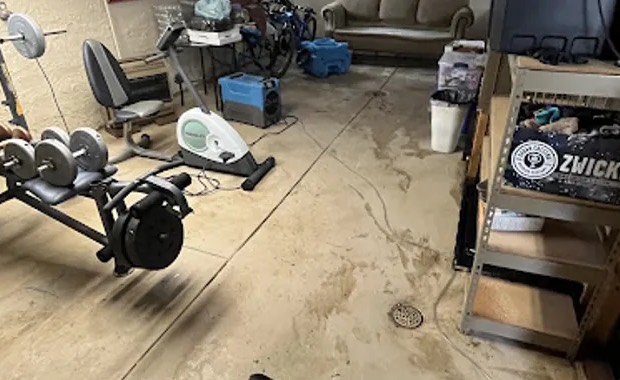
Local Industrial Dehumidification for Eastmont Businesses
In Eastmont, flooding in industrial buildings comes from broken supply lines, failed equipment or storms. Acting quickly limits lost work time and further damage.
When flooding hits an industrial building in Eastmont, drying needs to start quickly. Local water damage restoration pros also work in nearby Silver Firs, Mill Creek and Martha Lake and keep records of the water removal and drying.
Industrial Dehumidification Services in Eastmont
Warehouse Moisture Control
Managing warehouse air quality requires continuous moisture removal. Systems run to prevent rust on metal shelving and spoilage of goods.
Commercial Water Damage Cleanup
A flooded warehouse or factory needs powerful moisture removal. Industrial dehumidification focuses on large-scale air drying to safeguard machinery and stored goods.
Emergency Water Removal
When water invades a commercial space, every minute counts. The pros extract the bulk water first. Following extraction, industrial dehumidification tackles the remaining moisture.
Industrial Humidity Reduction Systems
A building may need a dedicated system for ongoing humidity. Industrial dehumidification units integrate into HVAC or operate independently.
Industrial Flood Damage Restoration
Major industrial flooding demands comprehensive restoration. Pros start by extracting water and then dry the structure. They focus on preventing corrosion to metal assets and electrical systems.
Signs of Water Damage Requiring Industrial Dehumidification in Eastmont
Stained Ceilings or Walls
Yellow or brown water stains show where past leaks happened and where moisture may still be.
Equipment Rust or Corrosion
New rust on machinery or metal stock can come from damp air in the building.
Damp Insulation or Drywall
Wet materials behind walls or above ceilings stay wet for weeks without forced drying and can rot.
Elevated Humidity Levels
Sticky air and condensation on windows or metal surfaces mean humidity in the building is too high.
How Industrial Dehumidification Works in Eastmont
Step 1: Site Assessment and Inspection
An inspection finds the water sources, the wet materials and how much cleanup is needed.
Step 2: Containment and Water Removal
Containment is set up if needed, then industrial extractors remove the bulk water.
Step 3: Deploy Drying Equipment
Desiccant and refrigerant dehumidifiers and air movers are placed to dry the building.
Step 4: Continuous Monitoring and Adjustment
Equipment runs around the clock, and humidity is checked so the setup can be adjusted as areas dry.
Sources of Moisture in Industrial and Commercial Buildings
Foundation Cracks and Seepage
Groundwater pushed up through cracks in slabs and walls keeps lower areas damp.
Process Water or Chemical Spills
Industrial processes that use liquids carry a constant risk of accidental spills and releases.
Appliance Malfunctions and Overflows
Water heater failures or broken process lines can flood large areas suddenly.
Roof Leaks and Storm Damage
Damaged roofing lets water in during heavy rain, wetting stock and floors below.
Industrial Dehumidification for Homes and Businesses in Eastmont
Residential Industrial Dehumidification
In homes, water from a burst pipe spreads inside walls and under floors. Local water damage restoration pros find the wet areas with meters and dry them to save the structure and finishes.
Commercial Industrial Dehumidification
Manufacturing plants and warehouses need large-scale drying after a major water incident. Drying brings the space back to the humidity levels production requires.
Industrial Dehumidification vs. DIY: When to Call the Pros
Turning off the main water supply to stop an active leak is a sensible first step any property owner can take. Measuring how far the water spread and planning the drying, though, takes professional meters and industrial equipment.
Industrial Dehumidification Pricing in Eastmont
Commercial cleanup costs for a facility in Washington depend on how much water must be extracted and how long structural drying takes.
Emergency Service Timing
After-hours or 24/7 calls may be billed at a different rate than a scheduled visit.
Equipment Quantity
The number of dehumidifiers, air movers and meters needed grows with the size of the flood.
Access Complexity
Hard-to-reach areas in a warehouse or plant take longer to set up equipment in.
Does Insurance Cover Industrial Dehumidification?
Structural drying services after a leak are often covered if the cause is a sudden, accidental peril named in the policy, such as a burst pipe. Homeowners should always verify deductibles, limits, and specific requirements directly with their insurance company before work proceeds.
The Value of Local Pros for Industrial Dehumidification in Eastmont
Clear Process Communication
You get regular updates on drying progress and how long the job should take.
24/7 Emergency Response
Fast water extraction limits how far damage spreads in a large building.
Industrial-Grade Equipment
High-capacity dehumidifiers and air movers are sized for warehouses and other large spaces.
Emergency Industrial Dehumidification in Eastmont, WA
Major humidity issues or active flooding demand early professional help to protect building materials and contents. Dial (425) 386-5713 for 24/7 help with large-scale drying and moisture control from the pros.
Call Now (425) 386-5713Industrial Dehumidification Near Eastmont: Areas Served
Warehouse moisture control and flood cleanup are available in Eastmont and nearby Silver Firs, Mill Creek and Martha Lake.
- Industrial Dehumidification in Silver Firs
- Industrial Dehumidification in Mill Creek
- Industrial Dehumidification in Martha Lake
- Industrial Dehumidification in Snohomish
- Industrial Dehumidification in Everett
- Industrial Dehumidification in Picnic Point
- Industrial Dehumidification in Lynnwood
- Industrial Dehumidification in Alderwood Manor
Industrial Dehumidification Common Questions Answered
What is included in commercial water damage cleanup?
It covers water extraction, handling of affected contents, antimicrobial treatment when needed, structural drying and ongoing humidity control.
How does commercial dehumidification differ from residential?
The focus extends beyond drying to include minimizing operational downtime and protecting sensitive inventory or machinery.
Can humidity control prevent future mold problems?
Keeping warehouse humidity low with dehumidifiers protects stored goods and the building from moisture damage.
What are humidity reduction systems?
Dehumidifiers that stay in place to hold humidity at a set level in sensitive spaces like data centers, archives or plants after water damage.
Why choose professional Industrial Dehumidification over in-house fans?
Industrial dehumidifiers and moisture meters dry the structure fully, reaching hidden moisture that fans alone leave behind.