Sequim, WA · Clallam County
Industrial Dehumidification in Sequim, WAWarehouse Moisture Control & Mold Remediation Services
Industrial Dehumidification in Sequim includes mold remediation services, structural drying services, and disaster recovery drying.
Answered 24/7
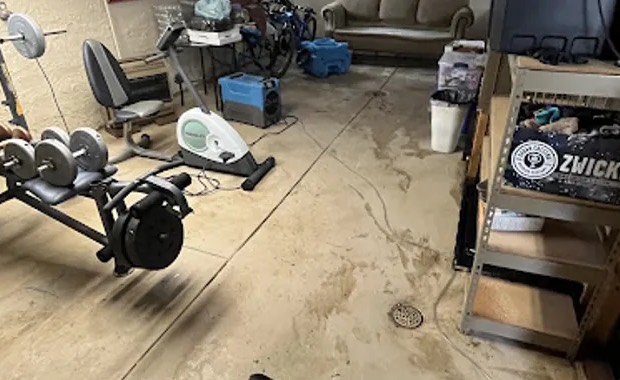
Industrial Drying Services for Sequim Properties
Mold is a frequent consequence of untreated moisture in warehouses, manufacturing facilities, and other large commercial spaces. It poses health risks to occupants and can damage stored products, inventory, and essential building systems over time.
Industrial dehumidification is a priority for large facilities in Sequim and nearby areas like Port Angeles, Port Townsend and Oak Harbor. Whether dealing with a burst pipe or ongoing humidity issues, local water damage pros apply commercial dehumidification techniques.
Professional Industrial Dehumidification in Sequim
Warehouse Moisture Control
Managing warehouse air quality requires continuous moisture removal. Systems run to prevent rust on metal shelving and spoilage of goods.
Mold Remediation Services
Extensive mold requires professional remediation to ensure occupant safety. Industrial dehumidification is a core part of stopping the mold lifecycle.
Emergency Water Removal
Emergency water removal in Sequim pulls floodwater out of the building so the industrial drying can start.
Industrial Humidity Reduction Systems
Installing a humidity reduction system provides long-term protection. Local water damage restoration pros in Sequim can recommend and set up tailored equipment.
Structural Drying Services
When water soaks into a building's framework, surface drying is insufficient. The experts set up a controlled environment with industrial dehumidifiers.
Warning Signs You Need Industrial Dehumidification
Noticeable Water Pooling
Standing water in a warehouse or industrial space needs to be removed before drying can start.
Soggy Inventory or Stock
Wet cardboard, damaged goods or damp raw materials mean humidity in the building is not under control.
Elevated Humidity Levels
Sticky air and condensation on windows or metal surfaces mean humidity in the building is too high.
Equipment Rust or Corrosion
New rust on machinery or metal stock can come from damp air in the building.
How Industrial Dehumidification Works in Sequim
Step 1: Site Assessment and Inspection
An inspection finds the water sources, the wet materials and how much cleanup is needed.
Step 2: Containment and Water Removal
Containment is set up if needed, then industrial extractors remove the bulk water.
Step 3: Deploy Drying Equipment
Desiccant and refrigerant dehumidifiers and air movers are placed to dry the building.
Step 4: Continuous Monitoring and Adjustment
Equipment runs around the clock, and humidity is checked so the setup can be adjusted as areas dry.
Common Causes for Industrial Dehumidification in Sequim
Burst Pipes or Plumbing Leaks
Failed supply lines, faulty fittings, or cracked pipes can release thousands of gallons.
Roof Leaks and Storm Damage
Damaged roofing lets water in during heavy rain, wetting stock and floors below.
Groundwater Intrusion and Saturation
Poor drainage around the building can let water seep up through the floor.
Natural Disasters and Severe Weather
Flash floods, torrential rain and other extreme events can soak large buildings and need large-scale drying.
Industrial Dehumidification for Homes and Businesses in Sequim
Residential Industrial Dehumidification
Water damage from appliance overflows, AC leaks and roof problems affects homeowners in Sequim. Pros dry the structure with dehumidifiers to remove hidden moisture.
Commercial Industrial Dehumidification
In businesses, leaks and high humidity lead to downtime and lost stock. Industrial dehumidifiers dry the facility so it can get back to work.
Industrial Dehumidification vs. DIY: When to Call the Pros
Turning off the main water supply to stop an active leak is a sensible first step any property owner can take. Measuring how far the water spread and planning the drying, though, takes professional meters and industrial equipment.
What Influences Industrial Dehumidification Expense in Sequim
In Sequim, the type of water, whether clean, gray or black, changes the cleanup steps and the cost.
Affected Square Footage
The size of the area to be dehumidified sets how much equipment and labor are needed.
Access Complexity
Hard-to-reach areas in a warehouse or plant take longer to set up equipment in.
Structural Material Type
Concrete, wood and steel dry differently, which changes the approach and the time.
Does Insurance Cover Industrial Dehumidification?
Insurance coverage for industrial dehumidification work in Sequim depends entirely on the specific terms and conditions of a property owner's policy. The final coverage decision rests solely with the insurance carrier.
Advantages of Hiring Local Pros for Industrial Dehumidification in Sequim
24/7 Emergency Response
Fast water extraction limits how far damage spreads in a large building.
IICRC-Standard Drying Methods
The experts follow industry drying standards so moisture is fully removed from the structure.
Comprehensive Water Removal
The work starts with removing standing water and water soaked into materials.
Emergency Flood Response in Sequim
Major humidity issues or active flooding demand early professional help to protect building materials and contents. Dial (425) 386-5713 for 24/7 help with large-scale drying and moisture control from the pros.
Call Now (425) 386-5713Local Industrial Dehumidification Areas: Sequim and Beyond
Each place listed below has its own page with local details.
- Industrial Dehumidification in Port Angeles
- Industrial Dehumidification in Port Townsend
- Industrial Dehumidification in Oak Harbor
- Industrial Dehumidification in Poulsbo
- Industrial Dehumidification in Silverdale
- Industrial Dehumidification in Tumwater
- Industrial Dehumidification in Burlington
- Industrial Dehumidification in Mount Vernon
Industrial Dehumidification FAQs
Why is water extraction so important?
Removing water quickly keeps it from soaking deeper, shortens drying and lowers the risk of mold and warping.
What does water damage cleanup involve?
Water extraction, moisture mapping of the building, placement of industrial dehumidifiers and air movers, daily monitoring and a final dryness check.
How is drying progress monitored?
The experts take moisture readings from materials and the air each day and keep drying logs that show progress.
What tools do commercial drying experts use for moisture control?
Local pros use an array of tools including penetrating and non-penetrating moisture meters, thermal imaging cameras, industrial-grade dehumidifiers, and high-volume air movers.
How does commercial dehumidification differ from residential?
The focus extends beyond drying to include minimizing operational downtime and protecting sensitive inventory or machinery.