Stanwood, WA · Snohomish County
Industrial Dehumidification in Stanwood, WAIndustrial Humidity Reduction Systems & Mold Remediation Services
For Industrial Dehumidification in Stanwood, local pros handle warehouse moisture control, mold remediation services and structural drying services.
Answered 24/7
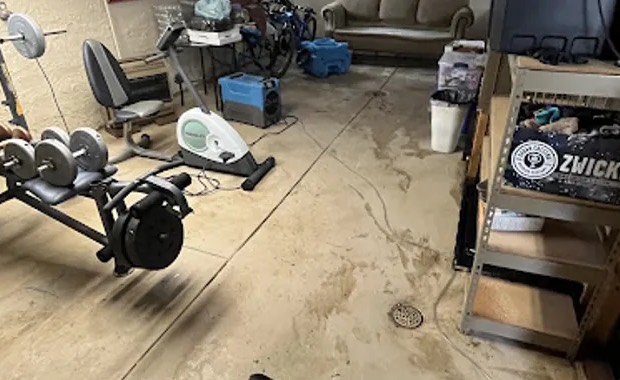
Industrial Dehumidification Solutions in Stanwood, Washington
In Stanwood, high humidity after a leak rusts machinery, ruins stock and keeps building materials wet. Industrial dehumidifiers bring it under control so drying can finish.
Industrial dehumidification is a priority for large facilities in Stanwood and nearby areas like Arlington, Mount Vernon and Oak Harbor. Whether dealing with a burst pipe or ongoing humidity issues, local water damage pros apply commercial dehumidification techniques.
Industrial Dehumidification Services in Stanwood
Industrial Humidity Reduction Systems
The experts implement industrial dehumidification systems that operate reliably to meet strict environmental specs. Steady humidity protects sensitive equipment and stored records.
Mold Remediation Services
Mold in a commercial building indicates a deeper moisture issue. The pros use industrial dehumidifiers to create a dry environment that inhibits mold.
Structural Drying Services
Drying the structure after a leak means getting studs, joists and slabs dry, not just the air in the room.
Commercial Water Damage Cleanup
A flooded warehouse or factory needs powerful moisture removal. Industrial dehumidification focuses on large-scale air drying to safeguard machinery and stored goods.
Warehouse Moisture Control
High warehouse humidity leads to condensation and product damage. The pros deploy industrial dehumidifiers to pull excess moisture from the air.
Signs of Moisture Requiring Industrial Dehumidification in Stanwood
Stained Ceilings or Walls
Yellow or brown water stains show where past leaks happened and where moisture may still be.
Condensation on Pipes
Sweating pipes and ducts drip water and raise the humidity in the space even further.
Damp Insulation or Drywall
Wet materials behind walls or above ceilings stay wet for weeks without forced drying and can rot.
Peeling Adhesives or Labels
Boxes losing their shape and labels peeling off mean the storage area is holding too much moisture.
How Industrial Dehumidification Works in Stanwood
Step 1: Initial Water Damage Cleanup
Pumps and extractors remove the visible water to stop more damage and remove slip hazards.
Step 2: Establish Drying Environment
The area is closed off and dehumidifiers lower the humidity so moisture leaves the materials.
Step 3: Execute Structural Drying Plan
Air movers push air across wet surfaces so the water evaporates and the dehumidifiers collect it.
Step 4: Final Dryness Verification
The job ends when readings show the structure and contents are back to normal dryness.
Sources of Moisture in Industrial and Commercial Buildings
Roof Leaks and Storm Damage
Damaged roofing lets water in during heavy rain, wetting stock and floors below.
Process Water or Chemical Spills
Industrial processes that use liquids carry a constant risk of accidental spills and releases.
Groundwater Intrusion and Saturation
Poor drainage around the building can let water seep up through the floor.
Foundation Cracks and Seepage
Groundwater pushed up through cracks in slabs and walls keeps lower areas damp.
Industrial Dehumidification for Homes and Businesses in Stanwood
Residential Industrial Dehumidification
A flooded basement or crawl space can ruin stored items and weaken foundations. Pros extract the water and dry the structure to prevent costly repairs later.
Commercial Industrial Dehumidification
Restaurant kitchens, stockrooms and offices all need humidity under control after water damage. Commercial dehumidifiers protect equipment and goods from rust and mold.
Industrial Dehumidification vs. Do-It-Yourself in Stanwood
Move valuable items and equipment out of the wet area to limit losses. Finding hidden water in walls and under floors takes moisture meters and commercial drying equipment.
Understanding Industrial Dehumidification Costs in Stanwood
In Stanwood, the type of water, whether clean, gray or black, changes the cleanup steps and the cost.
Affected Square Footage
The size of the area to be dehumidified sets how much equipment and labor are needed.
Equipment Quantity
The number of dehumidifiers, air movers and meters needed grows with the size of the flood.
Water Contamination Level
Clean, gray and black water need different safety steps and cleanup methods.
Does Insurance Cover Industrial Dehumidification?
The water damage restoration pros in Stanwood document the full extent of microbial growth and the underlying conditions, providing this evidence for the insurer to evaluate against the policy's terms.
Advantages of Hiring Local Pros for Industrial Dehumidification in Stanwood
Humidity Reduction Systems
Dehumidifiers can stay in place until humidity in the building is stable.
24/7 Emergency Response
Fast water extraction limits how far damage spreads in a large building.
Disaster Recovery Focus
Drying, cleaning and records are coordinated so the business can reopen sooner.
24/7 Emergency Drying for Stanwood Properties
Major humidity issues or active flooding demand early professional help to protect building materials and contents. Dial (425) 386-5713 for 24/7 help with large-scale drying and moisture control from the pros.
Call Now (425) 386-5713Local Industrial Dehumidification Areas: Stanwood and Beyond
Each place listed below has its own page with local details.
- Industrial Dehumidification in Arlington
- Industrial Dehumidification in Mount Vernon
- Industrial Dehumidification in Oak Harbor
- Industrial Dehumidification in Marysville
- Industrial Dehumidification in Burlington
- Industrial Dehumidification in Darrington
- Industrial Dehumidification in Port Townsend
- Industrial Dehumidification in Graham
Industrial Dehumidification Common Questions Answered
How does commercial dehumidification differ from residential?
The focus extends beyond drying to include minimizing operational downtime and protecting sensitive inventory or machinery.
Can humidity control prevent future mold problems?
Keeping warehouse humidity low with dehumidifiers protects stored goods and the building from moisture damage.
Why choose professional Industrial Dehumidification over in-house fans?
Industrial dehumidifiers and moisture meters dry the structure fully, reaching hidden moisture that fans alone leave behind.
What areas need drying after a warehouse flood?
All wet areas: floors, walls, stored contents and often the subfloor and insulation as well.
What are humidity reduction systems?
Dehumidifiers that stay in place to hold humidity at a set level in sensitive spaces like data centers, archives or plants after water damage.