Sammamish, WA · King County
Library Damage Restoration in Sammamish, WALibrary Storm Damage Repair & Library Fire Damage Restoration
Library Damage Restoration in Sammamish covers library storm damage repair, library mold remediation and emergency library water extraction.
Answered 24/7
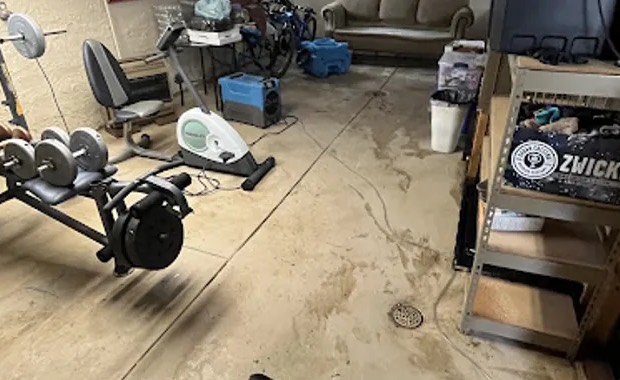
Specialized Library Damage Restoration in Sammamish, King County
Libraries in Sammamish face risks from sewage backups, storm events and hidden mold, each posing distinct threats to paper, bindings and electronic media stored on-site.
Emergency library restoration services in Sammamish and communities like Redmond, Issaquah and Carnation respond to any incident threatening collections, from burst pipes to storm impacts. Early work helps minimize loss.
Library Damage Restoration Services in Sammamish
Library Storm Damage Repair
Storm damage in Sammamish can disrupt library operations quickly. The building envelope and contents are protected from further harm. Documentation supports the necessary insurance claim process.
Library Fire Damage Restoration
Fire and smoke can devastate library materials and infrastructure. The cleanup involves odor removal and soot mitigation from books and surfaces.
Library Mold Remediation
Persistent humidity or past water damage can cause library mold issues. Mold remediation pros in Sammamish perform detailed inspections and moisture mapping.
Library Book Water Damage Recovery
Wet books and archives need careful drying to prevent warping and mold. The pros in Sammamish dry paper with controlled humidity after a leak or spill.
Emergency Library Water Extraction
Fast water extraction keeps damage to the collection from becoming permanent. The experts bring powerful truck-mounted pumps and extractors.
Indicators Your Library Needs Damage Restoration
Visible Water Stains on Shelves
Discoloration or warping on wooden shelves often means moisture is getting in.
Swollen or Stuck Book Pages
Books that will not open properly or have wavy pages are victims of water damage and need book drying services.
Storm Damage to Roof or Windows
Missing shingles or broken windows after a storm can allow water into the building, risking library archive recovery.
Warped or Buckled Flooring
Humid conditions or past flooding can cause hardwood or laminate floors in library aisles to swell and distort.
How Library Damage Restoration Works in Sammamish
Step 1: Damage Assessment and Containment
The process begins with a thorough assessment of water damage in libraries. The pros establish containment zones to prevent cross-contamination of unaffected areas.
Step 2: Water Removal and Drying
Powerful extraction equipment removes water from carpets, floors, and affected materials. Industrial-grade dehumidifiers then work to pull moisture from the air and building materials.
Step 3: Library Mold Remediation and Cleaning
If mold is present, experts contain the area, safely remove contaminated materials, and clean all surfaces with antimicrobial solutions to prevent regrowth.
Step 4: Content Restoration and Return
The focus shifts to library archive recovery. Restored books, documents, and other contents are cleaned, treated for odors, and systematically returned to the space.
Frequent Causes of Archive Damage in Sammamish
Foundation Cracks and Water Seepage
Hydrostatic pressure forces groundwater through cracks in the foundation, leading to damp basements or lower levels housing archives.
Fire Suppression System Activation
Sprinkler discharge, while saving the structure, soaks books and documents, creating a major water damage and soot cleanup project.
HVAC System Condensation Issues
Faulty air handler drip pans or leaking ductwork introduce moisture into the building air, raising humidity and risking mold.
Sewer Line Backups and Overflows
Blocked sewer lines or building drains can push contaminated water back into the library.
Residential and Commercial Library Damage Restoration in Sammamish
Water Damage Help for Homes
For home libraries, local pros extract water to protect bindings and paper. Historical document restoration techniques may be applied to family heirlooms. The aim is to save your personal archive.
Library Damage Restoration for Owners and Managers
Commercial library sewage cleanup addresses contamination risks to public collections and infrastructure. Specialists in library storm damage repair secure the building envelope and begin drying materials. All actions are recorded to support the organization's insurance process.
Why DIY Library Cleanup Fails: Trust Library Damage Restoration Pros in Sammamish
You can document the damage for your insurance claim by taking clear photographs and making a list of affected items. The coverage decisions belong to your insurer, so confirm details with them, as the pros will also provide thorough documentation.
What Influences Library Damage Restoration Pricing in Sammamish
Library damage restoration costs in Sammamish vary by the type and severity of the damage. Water from a broken pipe is different from widespread flooding or soot-covered fire damage, each requiring specific techniques and equipment.
Emergency Timing
Response outside standard hours to mitigate ongoing damage may involve premium scheduling. An initial extraction can reduce long-term restoration costs.
Material Type
Delicate vellum, leather bindings, and acidic modern paper each react differently to moisture. Fragile or historical items need specialized recovery.
Containment Needs
Containment keeps mold spores and soot away from undamaged collections. Building containment barriers and managing airflow adds to project steps.
Does Insurance Cover Library Damage Restoration?
Insurance coverage for library damage restoration depends entirely on the specifics of your policy and the cause of loss. A standard property policy may cover sudden water damage from a burst pipe but not gradual seepage.
Selecting Local Pros for Library Damage Restoration in Sammamish
Advanced Humidity Control
Industrial dehumidifiers and air movers target ambient moisture in library archives. The space is cleaned and stabilized.
Mold Remediation Focus
Library mold remediation addresses visible mold and hidden spores in HVAC systems. The process involves removal, cleaning, and drying to inhibit recurrence.
Detailed Documentation
Thorough notes, photos, and moisture maps are created for your records. This documentation provides a clear account of the damage and restoration steps.
24/7 Emergency Library Damage Restoration in Sammamish
Sewage backup in a library poses health risks and can destroy collections. Fast containment and cleanup are necessary. Contact the pros at (425) 386-5713 for emergency library sewage cleanup service.
Call Now (425) 386-5713Library Damage Restoration Coverage in Sammamish and Surrounding Areas
In Sammamish, the pros handle library flood and storm cleanup. They respond day or night in Sammamish and nearby Redmond, Issaquah and Carnation.
Library Damage Restoration FAQ
How quickly should water damage in libraries be addressed?
Within 24-48 hours to prevent irreversible damage to paper and bindings. Mold can begin growing quickly in the warm, moist environment of wet books and carpet.
What is the process for book and document drying?
Items are stabilized, often frozen to halt damage, then dried slowly in controlled chambers. The method depends on the material type, from modern paper to parchment.
Why is emergency library restoration critical?
Quick action limits swelling, warping and mold. Water extraction and humidity control keep collections from getting worse.
How long does library sewage cleanup and drying take?
Cleanup may take several days, followed by a drying phase of 3-5 days or more. The timeline depends on the extent of contamination and the building's construction.
How is library sewage cleanup handled?
With strict safety protocols. Contaminated materials are removed, affected surfaces are disinfected, and the area is dried completely. Air quality is monitored throughout.