Des Moines, WA · King County
Multi-Family Water Damage Restoration in Des Moines, WAWet Drywall Removal & Condo Water Damage Cleanup
Multi-Family Water Damage Restoration in Des Moines involves wet drywall removal, emergency water removal, and multi-family property drying.
Answered 24/7
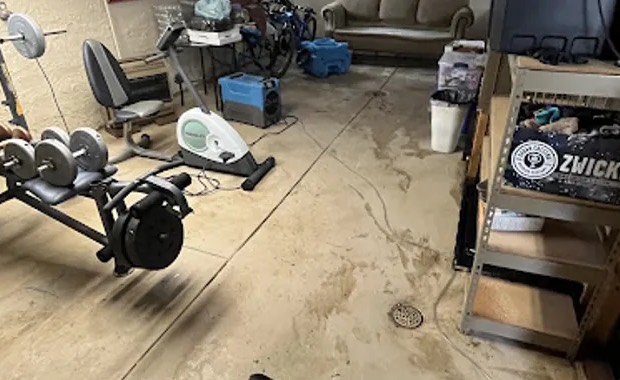
Trusted Multi-Family Water Damage Restoration for Des Moines Residents
Carpet water damage restoration aims to save flooring when possible, which can be more economical than full replacement. In Des Moines apartment buildings, carpets in hallways and units are frequently affected.
For water damage in apartment buildings, an and coordinated response is vital. In Des Moines, local water extraction experts are equipped to handle large-volume losses from broken mains or appliance failures.
Complete Multi-Family Water Damage Restoration Solutions for Des Moines
Wet Drywall Removal
Wet drywall removal is necessary when water saturates wall cavities, leading to swelling and mold risk. Restoration pros remove compromised drywall to allow proper drying.
Condo Water Damage Cleanup
For condos in Des Moines, water damage cleanup is critical after overflows or pipe leaks. The pros remove damaged contents to establish a clean, dry environment.
Emergency Water Removal
For properties in Des Moines, emergency water removal addresses sudden floods from broken pipes. The pros extract water to stabilize the situation and protect the structure.
Apartment Mold Prevention
To prevent mold, every water incident requires drying of drywall, insulation and framing. Water damage experts create conditions that do not support mold colonization.
Multi-Unit Flood Drying
Multi-unit flood drying uses air movers and dehumidifiers to eliminate moisture from walls and floors. Proper drying prevents warping and hidden mold.
Indicators of Water Damage in Des Moines Multi-Family Homes
Musty Odors in Common Areas
Persistent damp smells in hallways or lobbies mean moisture is hidden somewhere in the building.
Sagging Ceiling Tiles or Panels
Ceiling materials that are drooping or bowing are heavy with water and risk collapse, needing early action.
Visible Mold Growth on Surfaces
Black, green or white spots on walls or baseboards mean moisture has stayed in a unit for days.
Pooling Water in Hallways
Standing water in shared hallways or stairwells is a safety hazard and usually means a leak in a unit or a common pipe nearby.
How Multi-Family Water Damage Restoration Works in Des Moines
Step 1: Source Containment and Safety Securement
The first priority is stopping the active water flow and securing the area for safety, helping ensure no electrical hazards exist for residents or workers.
Step 2: High-Efficiency Condo Water Removal
Submersible pumps and portable extractors remove water from balconies, parking garages and living spaces.
Step 3: Building-Wide Dehumidification and Air Scrubbing
Large-capacity dehumidifiers and air scrubbers work to remove moisture from the air and eliminate odors throughout the building's ventilation system.
Step 4: Detailed Reporting for Property Management
The pros provide a comprehensive report detailing the cause, actions taken, and moisture logs for the property manager's permanent records.
What Causes Water Damage in Des Moines Condos
HVAC Condensation Drainage Issues
Clogged drain pans or lines from air handlers lead to overflow, causing hidden moisture damage and potential mold growth.
Roof Leaks During Heavy Rain
Compromised roofing can allow water to seep into top-floor units and cascade down.
Burst or Leaking Supply Lines
Failed pipes behind walls or under sinks are a leading cause of water damage in apartment buildings, and the water often reaches the unit below.
Failed Bathtub or Shower Seals
Worn caulking and grout let water into walls and subfloors in bathrooms and kitchens.
Multi-Family Water Damage Restoration for Apartments and Condos in Des Moines
Residential Multi-Family Water Damage Restoration
For townhome communities with shared foundations, the pros tackle flooding that crosses property lines. They perform emergency water removal and structural drying to prevent foundational compromise.
Commercial Multi-Family Water Damage Restoration
For hospitality properties like extended-stay hotels, the pros minimize guest displacement during a flood event. Detailed moisture documentation aids in resolving any guest or insurance matters.
The Risks of DIY Multi-Family Water Damage Restoration in Des Moines
Improving air circulation is a safe DIY step; you can open windows if weather permits and use fans, but avoid spreading moisture to dry areas. Do not use household vacuums to extract water.
Understanding Multi-Family Water Damage Restoration Expenses in Des Moines
The size of the property and the complexity of accessing wall cavities and subfloors across multiple units also influence the final service estimate.
Required Drying Duration
The number of days needed for thorough multi-unit flood drying with industrial equipment directly impacts labor, monitoring, and equipment rental expenses.
Water Damage Category
Clean water from a broken pipe costs less to remediate than contaminated gray or black water, which requires stricter safety protocols and more intensive cleaning procedures.
Affected Unit Count
One flooded apartment costs far less than water that spread through several units, which need more equipment and labor.
Does Insurance Cover Multi-Family Water Damage Restoration?
Insurance coverage for multi-family water damage restoration often depends on the water source and specific policy language. Coverage decisions belong solely to the insurance company.
Selecting Local Pros for Multi-Family Water Damage Restoration in Des Moines
IICRC-Standard Water Extraction
Water is removed from each affected unit before drying starts, so drying is shorter and more even across the building.
24/7 Emergency Response
Help is available around the clock in Des Moines, so water can be removed before it reaches more units.
Coordinated Property Management
The pros can coordinate with property managers to schedule access and minimize disruption during multi-family property drying projects.
24/7 Multi-Family Water Damage Restoration for Des Moines Emergencies
For wet drywall removal and urgent drying after a flood in apartments, immediate action limits secondary damage. Get emergency help from the pros by calling (425) 386-5713 for 24/7 service in Des Moines.
Call Now (425) 386-5713Locations for Multi-Family Water Damage Restoration Around Des Moines
Leaks and floods in apartment complexes in Des Moines often spread across several units. The pros handle cleanup and drying in Des Moines and nearby locations such as Normandy Park, SeaTac and Kent.
- Multi-Family Water Damage Restoration in Normandy Park
- Multi-Family Water Damage Restoration in SeaTac
- Multi-Family Water Damage Restoration in Kent
- Multi-Family Water Damage Restoration in Tukwila
- Multi-Family Water Damage Restoration in Burien
- Multi-Family Water Damage Restoration in Federal Way
- Multi-Family Water Damage Restoration in Auburn
- Multi-Family Water Damage Restoration in Seattle (West/South)
- Emergency Damage Restoration in 98198
- Storm Damage Restoration in 98198
- Water Damage Restoration in 98198
- Water Extraction Service in 98198
- Water Leak Detection in 98198
- Water Removal Service in 98198
Multi-Family Water Damage Restoration FAQs
What steps prevent cross-contamination during water removal in a multi-unit property?
Using containment barriers and negative air machines helps isolate the work area, controlling dust and moisture migration between units during the restoration project.
What happens during the apartment water damage cleanup process?
The process involves water extraction, removing damaged materials like wet drywall, placing drying equipment, monitoring moisture levels, and cleaning salvageable surfaces and contents.
Why is quick action critical for flood cleanup in apartments?
Quick action keeps water from spreading to other units and limits how much of the structure gets soaked.
How is emergency water removal different in multi-unit buildings?
It requires coordinated access, potential containment to protect unaffected units, and often larger-scale extraction equipment to manage higher water volumes from common sources.
What documentation is provided for an insurance claim?
Local pros document the damage with photos, provide moisture reading logs, and detail the restoration process performed, which you submit to your insurer for their review.