Mount Vernon, WA · Skagit County
Multi-Family Water Damage Restoration in Mount Vernon, WACarpet Water Damage Restoration & Wet Drywall Removal
Multi-Family Water Damage Restoration in Mount Vernon includes apartment water extraction, condo water damage cleanup, and multi-unit flood drying.
Answered 24/7
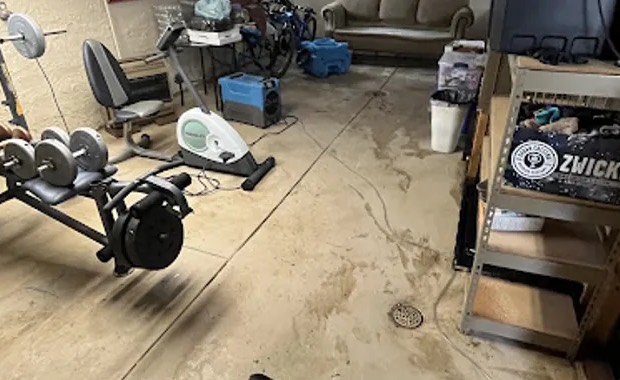
Local Multi-Family Water Damage Restoration Services for Mount Vernon Properties
Wet drywall removal is often a necessary step in thorough water damage restoration. In multi-unit buildings in Mount Vernon, drywall acts like a sponge, holding moisture that promotes mold inside walls.
Emergency water removal services are available 24/7 for Mount Vernon multi-family properties. Whether it's a middle-of-the-night pipe burst or storm-related flooding, local water removal pros respond day or night.
Complete Multi-Family Water Damage Restoration Solutions for Mount Vernon
Carpet Water Damage Restoration
Carpet water damage restoration in multi-family buildings focuses on hallways and unit floor coverings. The process may involve extraction, pad removal, cleaning and drying.
Wet Drywall Removal
In multi-family units, wet drywall removal is often required after plumbing or roof leaks. The pros cut out damaged sections for complete structural drying.
Multi-Family Property Drying
After a large water event, the pros place drying equipment in units, corridors and common areas and track readings across the building.
Multi-Unit Flood Drying
Multi-unit flood drying deploys commercial-grade dehumidifiers and air movers to address humidity absorbed by building materials.
Apartment Mold Prevention
Apartment mold prevention relies on rapid drying after water intrusion. The pros monitor moisture in wall cavities and under flooring.
Warning Signs You Need Multi-Family Water Damage Restoration in Mount Vernon
Sagging Ceiling Tiles or Panels
Ceiling materials that are drooping or bowing are heavy with water and risk collapse, needing early action.
Peeling Paint or Wallpaper
Bubbling or peeling finishes are a clear indicator of moisture intrusion behind surfaces.
Rust on Pipes or Fixtures
Corrosion on plumbing under sinks or in utility closets often precedes leaks, calling for preventative action from the pros.
Increased Humidity in Units
A clammy feeling in apartments after a leak means the units were not fully dried.
How Multi-Family Water Damage Restoration Works in Mount Vernon
Step 1: Assessment and Water Source Control
The pros first identify the leak source and extent of water damage in apartment buildings to create a targeted action plan.
Step 2: Commercial Water Extraction From All Levels
High-volume pumps and extractors are used for apartment water extraction from carpets, subfloors, and elevator shafts across multiple floors.
Step 3: Structural Drying and Moisture Monitoring
Specialized equipment dries the building's structure, with sensors ensuring walls and concrete slabs reach a dry standard, preventing mold.
Step 4: Final Verification and Air Quality Check
Before concluding, the pros verify all areas are dry before residents and tenants move back in.
What Causes Water Damage in Mount Vernon Condos
Clogged Balcony or Patio Drains
Blocked drainage on exterior spaces causes water to pool and infiltrate sliding doors, leading to interior floor damage.
Fire Suppression Efforts
Water used to extinguish a fire in one unit can cause extensive collateral water damage to surrounding apartments and hallways.
Burst or Leaking Supply Lines
Failed pipes behind walls or under sinks are a leading cause of water damage in apartment buildings, and the water often reaches the unit below.
Natural Flooding From Storms
Ground-level or basement units are exposed to stormwater, which can flood several units at once.
Multi-Family Water Damage Restoration for All Property Types in Mount Vernon
Residential Multi-Family Water Damage Restoration
In affordable housing complexes, the pros restore water damage to protect residents. Their work includes safe removal of ruined materials and full drying of each unit.
Commercial Multi-Family Water Damage Restoration
For student housing facilities, the experts manage large-scale incidents like sprinkler discharges during semesters. They execute multi-unit flood drying to get students back in their rooms.
Multi-Family Water Damage Restoration vs. DIY: When to Call Local Pros
Telling other residents or tenants about the restoration schedule helps the work go smoothly. You can also arrange access to units so the pros can reach every wet area.
What Influences Multi-Family Water Damage Restoration Pricing in Mount Vernon
The size of the property and the complexity of accessing wall cavities and subfloors across multiple units also influence the final service estimate.
Affected Unit Count
One flooded apartment costs far less than water that spread through several units, which need more equipment and labor.
Mold Prevention Needs
If moisture has lingered, apartment mold prevention steps like applying antimicrobial agents add to the scope and cost beyond basic water extraction.
Structural Material Damage
Costs go up when drywall, subflooring or cabinets must be removed and repaired, compared to water on sealed concrete or tile.
Does Insurance Cover Multi-Family Water Damage Restoration?
Whether condo water damage cleanup is covered hinges on the cause listed in the policy. The pros in Mount Vernon provide detailed documentation of affected areas and the restoration process.
Advantages of Hiring Apartment Water Damage Pros in Mount Vernon
Containment Protocols
To protect unaffected apartments, the pros set up containment barriers, controlling dust and moisture migration during wet drywall removal and drying.
Structural Drying Knowledge
Understanding multi-family building construction allows for strategic drying plan placement to address hidden moisture and protect structural integrity.
24/7 Emergency Response
Help is available around the clock in Mount Vernon, so water can be removed before it reaches more units.
Emergency Multi-Family Water Damage Restoration Response in Mount Vernon, WA
Don't let a water emergency in a multi-family property escalate. Secure emergency apartment water damage cleanup and extraction services by calling the local pros at (425) 386-5713 for help.
Call Now (425) 386-5713Multi-Family Water Damage Restoration Service Area Including Mount Vernon
The places below are also served, and each one has its own page.
- Multi-Family Water Damage Restoration in Burlington
- Multi-Family Water Damage Restoration in Sedro-Woolley
- Multi-Family Water Damage Restoration in Stanwood
- Multi-Family Water Damage Restoration in Anacortes
- Multi-Family Water Damage Restoration in Oak Harbor
- Multi-Family Water Damage Restoration in Arlington
- Multi-Family Water Damage Restoration in Marysville
- Multi-Family Water Damage Restoration in Lake Stevens
- Emergency Damage Restoration in 98273
- Storm Damage Restoration in 98273
- Water Damage Restoration in 98273
- Water Extraction Service in 98273
- Water Leak Detection in 98273
- Water Removal Service in 98273
- Emergency Damage Restoration in 98274
- Storm Damage Restoration in 98274
Your Multi-Family Water Damage Restoration Questions Addressed
How is emergency water removal different in multi-unit buildings?
It requires coordinated access, potential containment to protect unaffected units, and often larger-scale extraction equipment to manage higher water volumes from common sources.
Does multi-unit flood drying require special equipment?
Yes, commercial-grade dehumidifiers, high-capacity air movers, and specialized moisture detection tools are used to effectively dry shared walls, floors, and cavities across multiple units.
Why is quick action critical for flood cleanup in apartments?
Quick action keeps water from spreading to other units and limits how much of the structure gets soaked.
How is condo water damage cleanup handled when shared walls are involved?
The pros use techniques to dry within shared wall cavities, a key aspect of multi-unit water damage restoration to prevent moisture migration to adjacent units.
What happens during the apartment water damage cleanup process?
The process involves water extraction, removing damaged materials like wet drywall, placing drying equipment, monitoring moisture levels, and cleaning salvageable surfaces and contents.