Bothell, WA · King County
Pinhole Leak Water Removal in Bothell, WALeak Damage Drying Services & Emergency Water Removal Service
Pinhole Leak Water Removal for a pinhole leak in Bothell includes pinhole leak detection, copper pipe leak repair, and wall water damage cleanup.
Answered 24/7
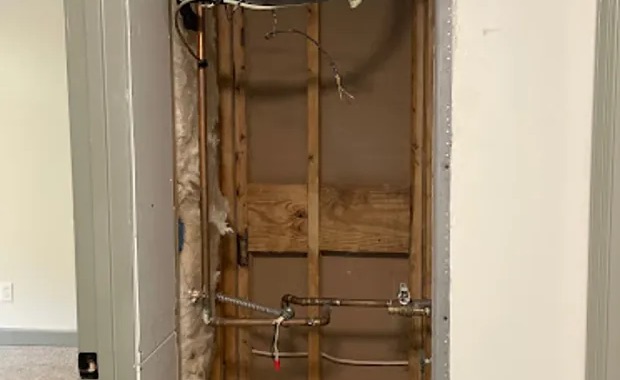
Local Water Damage Restoration Pros for Pinhole Leak Water Removal in Bothell
Pinhole leaks in copper pipes can cause gradual, hidden water damage in properties throughout Bothell. This slow seepage often saturates walls and ceilings before becoming visible, compromising structural materials and indoor air quality.
Properties in Bothell and nearby places like Kenmore, Woodinville and Lake Forest Park often have plumbing systems susceptible to pinhole corrosion. Local water removal pros provide focused pinhole leak water removal and copper pipe leak repair.
Complete Pinhole Leak Water Removal Process for Bothell
Leak Damage Drying Services
After water extraction, drying equipment is deployed to remove residual moisture. Professionals place air movers and dehumidifiers strategically to create optimal drying conditions.
Emergency Water Removal Service
Waiting can allow a pinhole leak to cause more damage. Emergency services mobilize day or night to assess the situation and begin water removal.
Mold Prevention After Leak
Mold prevention requires eliminating the water source and drying all materials completely. Wet areas are cleaned and treated once dry.
Ceiling Leak Water Extraction
When a pinhole leak is in an upstairs line, water often damages ceilings below. Experts first extract any standing water from the ceiling surface or attic insulation.
Floor Water Damage Repair
Water from a wall pinhole leak frequently wicks down into flooring and subfloors. Experts pull up affected floorboards, tiles, or carpet to expose and dry the subfloor beneath.
Hidden Leak Indicators for Bothell Homes
Reduced Water Pressure
A noticeable drop in water pressure at faucets can mean a supply line is leaking.
A Sudden Spike in Water Bills
Your water bill increases without a change in usage. A slow pinhole leak is a common culprit for this hidden water waste.
Warped or Buckling Floorboards
Flooring that swells or warps from moisture above or below often hides a pinhole leak in a nearby line.
Pooling Water Without a Source
Water collecting on floors with no obvious source often comes from a pinhole leak inside a wall.
How Pinhole Leak Water Removal Works in Bothell
Step 1: Source Identification and Water Shutoff
The experts first identify the leaking pipe and recommend a water shutoff. This stops the flow and prevents further water damage from the pinhole leak.
Step 2: Targeted Water Extraction Process
Extraction tools remove water from carpet, pad and hard-to-reach cavities so the wood around them does not rot.
Step 3: Copper Pipe Leak Repair Execution
The compromised section of copper pipe is isolated and replaced with a new, corrosion-resistant fitting. This repair addresses the root cause of the water intrusion.
Step 4: Complete Moisture Mapping and Documentation
Pros document all moisture levels and damage with photos and readings for insurance. This thorough documentation supports your claim and confirms drying completion.
Sources of Hidden Water Damage in Bothell
Improper Pipe Installation
Pipes that are poorly soldered, supported, or have faulty fittings are prone to failure. These installation flaws often lead to leaks.
Abrasion From Rubbing Surfaces
Pipes rubbing against framing or other pipes during normal house movement cause wear. This abrasion can create a pinhole leak over years.
Aggressive Water Chemistry
Water with high acidity or mineral content accelerates pipe corrosion. This is a primary cause of copper pipe pinhole leaks.
Corrosion in Copper Plumbing
Over time, chemical reactions in water corrode copper pipes from the inside. This thinning creates weak spots that become pinhole leaks.
Residential and Commercial Pinhole Leak Water Removal in Bothell
Residential Pinhole Leak Water Removal
Homes with slab foundations require specialized detection for leaks under the concrete. The pros use non-invasive tools to locate the source without unnecessary demolition.
Commercial Pinhole Leak Water Removal
Restaurants and hotels cannot afford visible water damage or musty odors. The pros implement aggressive drying protocols in kitchens and guest areas.
Hiring Local Pros vs. DIY Leak Repair
You can use towels to soak up standing water on hard surfaces like tile or vinyl flooring. Place a bucket under an active drip from a ceiling to contain water.
Understanding Pinhole Leak Water Removal Cost in Bothell
Factors determining pinhole leak water removal expense in Bothell include the response urgency, the number of rooms affected, and the specific drying techniques required for materials like wood or insulation.
Equipment and Labor
The type and number of water extraction and drying tools deployed, along with the skilled labor to operate them, are primary cost components.
Extent of Water Damage
The spread of water from the pinhole leak into walls, ceilings, or floors significantly influences the project scope and required labor hours for cleanup.
Structural Repair Needs
The cost factors in any necessary repairs to damaged structures, such as sections of wall or ceiling, after water extraction is complete.
Does Insurance Cover Pinhole Leak Water Removal?
For pinhole leak water removal, insurance coverage depends on the policy's conditions. The pros dry the area and provide a full damage assessment for the claim.
Why Choose Local Pros for Pinhole Leak Water Removal in Bothell
Comprehensive Drying Procedures
A systematic drying process using professional air movers and dehumidifiers aims to remove moisture from structures and contents.
Methodical Moisture Monitoring
Moisture levels are tracked throughout the drying process to help ensure materials return to an acceptable dryness standard.
Copper Pipe Repair Knowledge
Familiarity with copper pipe systems aids in identifying pinhole leak causes and executing appropriate repair solutions.
24/7 Emergency Pinhole Leak Water Removal in Bothell
Water damage from a pinhole leak gets worse the longer it runs. Call (425) 386-5713 any time for water removal and drying in Bothell.
Call Now (425) 386-5713Where Pinhole Leak Water Removal is Provided Near Bothell
For residents of Bothell, needing pinhole leak water removal, local pros serve this community and surrounding locations such as Kenmore, Woodinville and Lake Forest Park. They handle everything from leak detection to final drying.
- Pinhole Leak Water Removal in Kenmore
- Pinhole Leak Water Removal in Woodinville
- Pinhole Leak Water Removal in Lake Forest Park
- Pinhole Leak Water Removal in Brier
- Pinhole Leak Water Removal in Alderwood Manor
- Pinhole Leak Water Removal in Mountlake Terrace
- Pinhole Leak Water Removal in Lynnwood
- Pinhole Leak Water Removal in Mill Creek
- Emergency Damage Restoration in 98011
- Storm Damage Restoration in 98011
- Water Damage Restoration in 98011
- Water Extraction Service in 98011
- Water Leak Detection in 98011
- Water Removal Service in 98011
- Emergency Damage Restoration in 98012
- Storm Damage Restoration in 98012
Your Pinhole Leak Water Removal Questions Addressed
How long does water damage drying take after a leak?
Drying time varies with the extent of water intrusion, material types, and humidity. Leak damage drying services use monitors to track progress until materials meet drying standards.
Can a pinhole leak cause mold growth?
Yes, persistent moisture from a slow water leak creates ideal conditions for mold. Mold prevention after a leak involves rapid drying and applying antimicrobial treatments to damp areas.
What causes pinhole leaks in copper pipes?
Pinhole leaks in copper pipes can be caused by corrosion, water chemistry, installation issues, or age, leading to small, pinpoint holes that release water.
What is the goal of home water damage restoration?
It means extracting the water, drying, cleaning and repairing the damaged materials and contents.
Why is quick action important for plumbing leak water extraction?
Quick action limits the water's spread, reduces absorption into materials, and helps prevent secondary damage like swelling, warping, and mold growth.