Bellevue, WA · King County
Portable Pump Water Extraction in Bellevue, WAPooled Water Removal Pump & Basement Flood Pump Extraction
Portable Pump Water Extraction in Bellevue covers pooled water removal pump, residential water pump extraction, and emergency water pump removal.
Answered 24/7
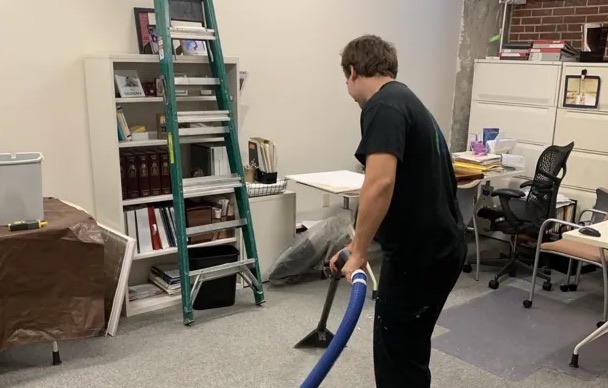
Portable Pump Water Extraction for Properties in Bellevue
Fast pump-out matters for properties in Bellevue, because standing water quickly soaks into floors and walls. Water removal pros use portable pumps to extract flood water and stop further damage.
Portable pumps are a fast way to clear flood water from properties in Bellevue and nearby places like Medina, Clyde Hill and Beaux Arts Village. Local water damage pros bring mobile equipment to pump out basements, crawl spaces and flooded rooms.
Portable Pump Water Extraction Services in Bellevue
Pooled Water Removal Pump
Portable pumps are ideal for removing pooled water from flat surfaces, garages, or sunken areas. This targeted water extraction prevents slipping hazards and long-term moisture damage.
Basement Flood Pump Extraction
The pros set up portable pumps for water removal, creating the conditions needed for structural drying and sanitization.
Commercial Water Pump Extraction
The pros focus on extracting water to limit downtime and prevent damage to equipment and inventory.
Emergency Water Pump Removal
The pros offer 24/7 availability to extract the water source, safeguarding the home's structure and contents from escalating harm.
Carpet Water Pump Extraction
Wet carpet needs strong extraction to pull water out of the pad. This process, handled by the pros, protects the carpet backing and subfloor from lingering dampness and mold formation.
Signs You Need Portable Pump Water Extraction in Bellevue
High Humidity in Your Home
Consistently high indoor humidity can signal evaporation from a hidden flood. Locating and pumping out the water addresses the source.
Musty Odors After a Flood
A persistent damp smell is a sign of hidden water. The pros use pumps to find and remove the source.
Visible Water in Crawl Space
Seeing any water in your crawl space is a direct call for action. Pooled water removal pump services prevent foundation issues.
Water Seeping Under Carpeting
Carpet that squishes underfoot is holding water in the pad that needs to be pumped and extracted.
How Portable Pump Water Extraction Works in Bellevue
Step 1: Water Source Containment
The first priority is stopping the flow if the source is active, like a broken pipe.
Step 2: High-Volume Pump Operation
The pros run portable pumps to remove hundreds of gallons of standing water.
Step 3: Crawl Space and Basement Pumping
For below-grade areas, they perform crawl space water pump out and basement flood pump extraction.
Step 4: Verification of Water Extraction
Moisture sensors confirm all standing water is gone before the drying stage begins.
Common Causes of Water Damage in Bellevue
Sewer Line Backups or Overflows
A main line clog or municipal issue can force contaminated water inside. Emergency water pump removal handles this hazardous situation.
Severe Weather and Storm Flooding
Heavy rain can overwhelm gutters and foundations, causing indoor flooding. Portable pump flood cleanup addresses this water quickly.
Foundation Cracks and Seepage
Hydrostatic pressure can push groundwater through cracks into your basement. Crawl space water pump out services relieve this pressure.
HVAC System Condensation Issues
Clogged drain lines or failed condensate pumps can leak water continuously until someone notices.
Portable Pump Water Extraction for All Properties in Bellevue
Residential Portable Pump Water Extraction
Residential service involves the pros using portable pumps for flooded garages, sunken living rooms, or after a toilet overflow.
Commercial Portable Pump Water Extraction
The pros deploy multiple pumps and industrial extractors to handle the volume and complexity of commercial building layouts.
Professional Portable Pump Water Extraction or DIY in Bellevue?
You can document the damage with photos for your insurance claim before any cleanup begins. The actual water removal pump service, using industrial equipment, should be handled by the pros to meet insurer requirements.
Factors Affecting Portable Pump Water Extraction Cost in Bellevue, WA
Portable pump water extraction cost in Bellevue depends on the water volume and duration. Affected area size and materials, like carpet or concrete, are factors.
Site Accessibility and Complexity
Tight crawl spaces or hard-to-reach basements can add labor time to the pump-out.
Material Saturation Levels
How deeply porous materials like carpet, concrete, or drywall are soaked affects drying time.
Water Category and Contamination
Clean, gray, or black water categories determine the safety protocols and disposal costs.
Does Insurance Cover Portable Pump Water Extraction?
The experts provide detailed reports listing the work performed, such as pumping out carpet or a flooded basement. You submit these to your insurer.
Advantages of Hiring Local Pros for Portable Pump Water Extraction in Bellevue
Comprehensive Moisture Detection
After pumping, pros use meters to find hidden moisture in walls and subfloors. This ensures drying is complete and prevents future problems.
Prevention of Mold
Removing standing water within the first 24-48 hours is key to mold prevention. Rapid portable pump water extraction drastically reduces this risk.
Advanced Portable Pump Technology
Using powerful, mobile pumps allows for efficient removal from various locations. This equipment is designed for both residential and commercial scale floods.
24/7 Portable Pump Water Extraction Response in Bellevue, WA
Pooled water removal pump services are on standby for emergencies in King County. To prevent structural damage and mold, call (425) 386-5713 at any hour.
Call Now (425) 386-5713Portable Pump Water Extraction Available Throughout King County
Crawl space water pump out addresses water accumulation in Bellevue. The pros in Bellevue also provide service for Medina, Clyde Hill and Beaux Arts Village residents.
- Portable Pump Water Extraction in Medina
- Portable Pump Water Extraction in Clyde Hill
- Portable Pump Water Extraction in Beaux Arts Village
- Portable Pump Water Extraction in Yarrow Point
- Portable Pump Water Extraction in Hunts Point
- Portable Pump Water Extraction in Newcastle
- Portable Pump Water Extraction in Mercer Island
- Portable Pump Water Extraction in Sammamish (North)
- Emergency Damage Restoration in 98004
- Storm Damage Restoration in 98004
- Water Damage Restoration in 98004
- Water Extraction Service in 98004
- Water Leak Detection in 98004
- Water Removal Service in 98004
- Emergency Damage Restoration in 98005
- Storm Damage Restoration in 98005
Portable Pump Water Extraction FAQs
What types of portable pumps are used for water extraction?
Common types include submersible pumps for deep water, trash pumps for debris-laden water, and centrifugal pumps for high-volume transfer.
Why is emergency water pump removal considered urgent?
Standing water quickly wicks into drywall, insulation, and wood, causing swelling, warping, and mold.
Is crawl space water pump out a service available?
The pros can operate portable pumps in confined spaces like crawl spaces. Their compact design allows efficient water removal from tight areas.
Does portable pump extraction work for all water categories?
Portable pumps can handle Category 1 (clean), 2 (gray), and 3 (black) water, with appropriate safety protocols.
Why choose portable water pump extraction over other methods?
Portable pumps offer flexibility and rapid deployment to the exact point of the flood.