Kent, WA · King County
Roof Leak Water Removal in Kent, WACeiling Water Damage Cleanup & Wet Insulation Removal
Local water extraction experts in Kent provide roof leak water removal with emergency roof tarping, wall cavity drying and structural drying services.
Answered 24/7
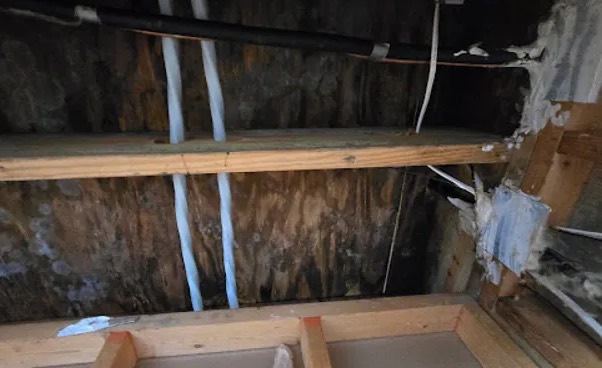
Roof Leak Cleanup and Drying in Kent
In Kent, roof leaks tend to show up during or right after heavy rain, when water finds a worn shingle, a cracked boot or loose flashing.
Roof leak water removal is available in Kent and nearby Des Moines, SeaTac and Auburn. The pros tarp the opening if needed, extract the water and dry the attic framing and ceiling drywall.
Roof Leak Water Removal Work in Kent
Ceiling Water Damage Cleanup
Ceiling cleanup covers the drywall, texture and any wet insulation resting on it. Readings decide whether a panel can be dried in place or must be replaced.
Wet Insulation Removal
Wet insulation loses its value and flattens. Removing it exposes the ceiling drywall and joists so air movers and dehumidifiers can reach them.
Structural Drying Services
Air movers and dehumidifiers are set up in the attic and the rooms below. Rafters, decking and joists are metered daily until they reach normal readings.
Wet Contents Protection
Wet contents are sorted into items that can be dried and items that cannot. A photo list of each is kept for the insurance claim.
Wall Cavity Drying
Bubbling paint or a damp baseboard below a ceiling stain means water is in the wall. Drying the cavity keeps the framing and drywall from rotting.
When a Roof Leak Needs Water Removal
Sagging or Bulging Drywall
A ceiling that bulges or feels soft is holding water. It can give way, so keep people and pets out of the room.
Musty Smell After Rain
A damp, musty smell that gets stronger after storms often means insulation in the attic is staying wet.
Daylight Through the Roof Deck
Light showing through the decking from inside the attic marks a gap where rain can come straight in.
Puddles Under the Ceiling
Water on the floor under a stain or a drip means the ceiling above is already holding more than it can absorb.
How Roof Leak Water Removal Works in Kent
Step 1: Safety Check
Power to wet ceiling fixtures is shut off and sagging areas are marked so no one walks under them during the work.
Step 2: Roof Tarp and Extraction
The roof is tarped if rain is still possible, then water is removed from the attic, ceiling cavities and floors.
Step 3: Drying Setup
Dehumidifiers and air movers are placed in the attic and the rooms below so both levels dry at the same time.
Step 4: Final Readings
When the wood and drywall read dry, equipment is removed and the roofer and drywall repairs can be scheduled.
Where Roof Leaks Start in Kent
Storm Debris and Hail
Falling branches and hail can crack shingles or puncture the deck, opening a direct path for rain into the attic.
Skylight Seals
Skylight gaskets and curb flashing wear out, and water runs into the shaft and down the drywall around the opening.
Worn Flashing
Flashing around chimneys, skylights and wall joints can crack, rust or pull loose, and water runs in along the gap.
Damaged or Missing Shingles
Wind, age and impact lift or tear shingles and leave the underlayment exposed, so rain soaks straight into the decking.
Roof Leaks in Kent Homes and Commercial Buildings
Residential Roof Leak Water Removal
In older Kent homes, leaks often follow old chimney chases or plaster ceilings. The pros check these areas closely because plaster holds water longer than drywall.
Commercial Roof Leak Water Removal
Warehouses and shops with large roof areas can have several leaks at once. The pros map each wet area, extract water and dry the structure section by section.
DIY Steps and Their Limits After a Roof Leak in Kent
Take photos and video of the ceiling, attic and wet belongings before anything is moved or thrown out. Your insurer will want them for the claim.
Roof Leak Water Removal Cost in Kent, WA
In Kent, the biggest cost drivers after a roof leak are wet insulation, wet ceiling drywall and how hard the attic is to work in.
Emergency Tarping
If the roof needs a tarp before drying can start, the materials and labor for that step add to the bill.
Attic Access
Low, tight attics with little floor to stand on take longer to work in than open attics with a walkway.
Insulation Removal
Bagging and hauling soaked insulation takes labor, and the attic needs new insulation once the framing is dry.
Does Insurance Cover Roof Leak Water Removal?
Coverage often depends on what caused the leak. Storm damage is more likely to be covered than a leak from shingles that wore out over years.
Why Professional Roof Leak Water Removal Pays Off
One Job, Start to Finish
Tarping, extraction, insulation removal and drying happen in order, so each step is not left waiting on another company.
Contents Moved Out of Harm
Belongings under the leak are moved, covered or dried so they do not keep soaking while the attic is worked on.
Finding Hidden Water
Thermal cameras and moisture meters find wet insulation and wall cavities that are not visible from the room below.
Emergency Roof Leak Help in Kent, WA
Roof leaks get worse with every hour of rain. Call (425) 386-5713 any time for tarping, attic extraction and drying in Kent.
Call Now (425) 386-5713Roof Leak Water Removal Near Kent: Areas Served
Homes in Kent and nearby places such as Des Moines, SeaTac and Auburn can get help with attic water extraction, wet insulation and ceiling drying after a roof leak.
- Roof Leak Water Removal in Des Moines
- Roof Leak Water Removal in SeaTac
- Roof Leak Water Removal in Auburn
- Roof Leak Water Removal in Tukwila
- Roof Leak Water Removal in Covington
- Roof Leak Water Removal in Federal Way
- Roof Leak Water Removal in Renton
- Roof Leak Water Removal in Maple Valley
- Emergency Damage Restoration in 98030
- Storm Damage Restoration in 98030
- Water Damage Restoration in 98030
- Water Extraction Service in 98030
- Water Leak Detection in 98030
- Water Removal Service in 98030
- Emergency Damage Restoration in 98031
- Storm Damage Restoration in 98031
Roof Leak Water Removal Questions Answered
What does emergency roof tarping involve?
A heavy tarp is laid over the damaged area and fastened down so rain stops coming in. It stays until a roofer makes the permanent repair.
Does a stained ceiling always need to be replaced?
No. If moisture readings show the drywall is firm and dries out, it can often stay and be primed and painted. Soft or sagging sections are replaced.
How do the pros find where a roof is leaking?
They trace the water from the stain up into the attic, follow it along the rafters and decking, and use moisture meters to find the entry point.
How soon should water removal start after a roof leak?
As soon as possible. Wet drywall and insulation can start to grow mold in 24 to 48 hours, and a ceiling holding water can sag and fall.
Does every roof leak lead to mold?
No. Mold needs materials to stay wet for a day or more. When water is removed and the attic is dried promptly, mold usually does not take hold.