Stanwood, WA · Snohomish County
Roof Leak Water Removal in Stanwood, WAWet Contents Protection & Wet Insulation Removal
When rain gets into a Stanwood attic, roof leak water removal means emergency roof tarping, attic water extraction and structural drying services.
Answered 24/7
Water From a Roof Leak in Stanwood, Washington
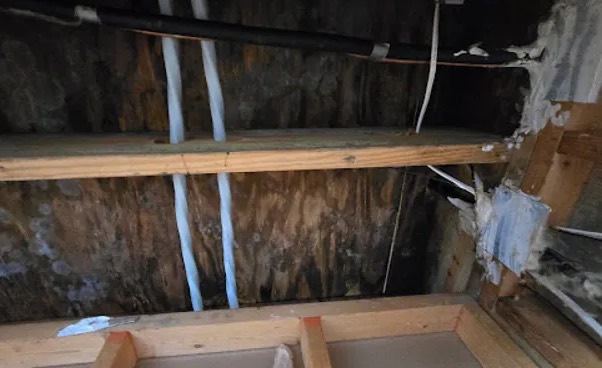
In Stanwood, roof leaks tend to show up during or right after heavy rain, when water finds a worn shingle, a cracked boot or loose flashing.
Roof leak water removal is available in Stanwood and nearby Arlington, Mount Vernon and Oak Harbor. The pros tarp the opening if needed, extract the water and dry the attic framing and ceiling drywall.
Roof Leak Water Removal Services in Stanwood
Wet Contents Protection
Furniture, rugs and boxes under the leak are moved, blocked up or covered. Wet items are listed and photographed before they are dried or set aside.
Wet Insulation Removal
Soaked batts and blown insulation hold water against the ceiling and framing for weeks. The pros bag and remove it so the attic can dry.
Wall Cavity Drying
Bubbling paint or a damp baseboard below a ceiling stain means water is in the wall. Drying the cavity keeps the framing and drywall from rotting.
Attic Water Extraction
In Stanwood homes with low attics, extraction is done with compact equipment that fits between joists and over ceiling drywall without stepping through it.
Structural Drying Services
Wet framing in Stanwood attics is dried with directed airflow and dehumidification. Daily readings show when the wood is dry enough for repairs.
When a Roof Leak Needs Water Removal
Daylight Through the Roof Deck
Light showing through the decking from inside the attic marks a gap where rain can come straight in.
Puddles Under the Ceiling
Water on the floor under a stain or a drip means the ceiling above is already holding more than it can absorb.
Musty Smell After Rain
A damp, musty smell that gets stronger after storms often means insulation in the attic is staying wet.
Damp Baseboards on Exterior Walls
Wet or swelling baseboards under a ceiling stain mean water has traveled down the wall cavity from the attic.
How Roof Leak Water Removal Works in Stanwood
Step 1: Assess the Leak
The pros look at the roof, attic and ceilings to see how long the leak has been running and what it has soaked.
Step 2: Remove Water and Debris
Water, wet insulation and fallen drywall are cleared out so the attic and room below can dry evenly.
Step 3: Clean Wet Surfaces
Wood and drywall that stayed wet for a day or more are cleaned and treated before drying to limit odor and mold.
Step 4: Monitor Until Dry
Readings are taken on each visit and the equipment is moved as areas dry, until every wet spot reaches its target.
What Causes Roof Leaks in Stanwood Homes
Storm Debris and Hail
Falling branches and hail can crack shingles or puncture the deck, opening a direct path for rain into the attic.
Damaged or Missing Shingles
Wind, age and impact lift or tear shingles and leave the underlayment exposed, so rain soaks straight into the decking.
Cracked Vent Boots
The rubber collars around plumbing vents dry out and split with age, letting rain drip down the pipe into the attic.
Aging Roofing Materials
As shingles age they curl, lose granules and crack, and slow leaks start where the roof covering has worn thin.
Roof Leaks in Stanwood Homes and Commercial Buildings
Residential Roof Leak Water Removal
In older Stanwood homes, leaks often follow old chimney chases or plaster ceilings. The pros check these areas closely because plaster holds water longer than drywall.
Commercial Roof Leak Water Removal
Warehouses and shops with large roof areas can have several leaks at once. The pros map each wet area, extract water and dry the structure section by section.
Roof Leak Water Removal vs. DIY: When to Call Local Pros
Move furniture, electronics and rugs out from under the leak, and set buckets under steady drips. Lay towels to keep water from spreading across wood or carpet floors.
Pricing Roof Leak Water Removal in Stanwood
Leaks found early cost less to clean up. Water that sat for a long time can mean more drywall and insulation to replace and longer drying.
How Long It Leaked
A leak caught during the first storm usually means less wet material than one that has been dripping into the attic for weeks.
Drying Time
Each extra day of air movers, dehumidifiers and moisture checks adds to the cost, so wet wood that dries slowly costs more.
Size of the Wet Area
The square footage of wet attic, ceiling and wall sets how much equipment is needed and how long it runs.
Does Insurance Cover Roof Leak Water Removal?
Call your insurer soon after you find the leak. Photos of the ceiling, attic and roof, plus the moisture readings, help the adjuster review the claim.
What Local Pros Bring to a Roof Leak in Stanwood
One Job, Start to Finish
Tarping, extraction, insulation removal and drying happen in order, so each step is not left waiting on another company.
Drying to Measured Targets
Drying stops only when meters show the wood and drywall are dry, not when the surface looks dry.
24/7 Help During Storms
Roof leaks happen when it rains, often at night. Help is available around the clock, so tarping and extraction can start once it is safe.
24/7 Emergency Roof Leak Water Removal in Stanwood
Wet insulation and a stained ceiling after last night's rain? Call (425) 386-5713 so the attic can be dried before the drywall has to come down.
Call Now (425) 386-5713Local Roof Leak Water Removal Coverage for Stanwood
Other places served are listed below, each with its own page.
- Roof Leak Water Removal in Arlington
- Roof Leak Water Removal in Mount Vernon
- Roof Leak Water Removal in Oak Harbor
- Roof Leak Water Removal in Marysville
- Roof Leak Water Removal in Burlington
- Roof Leak Water Removal in Darrington
- Roof Leak Water Removal in Port Townsend
- Roof Leak Water Removal in Graham
FAQ: Roof Leaks, Attics and Ceilings
How is water removed from an attic?
Standing water is pulled out with wet vacuums and extractors, then soaked insulation is removed so the ceiling and framing can be dried.
Does every roof leak lead to mold?
No. Mold needs materials to stay wet for a day or more. When water is removed and the attic is dried promptly, mold usually does not take hold.
Why should rainwater be removed from the attic quickly?
Water in the attic soaks through the ceiling into the rooms below and keeps the framing wet. Removing it early limits drywall and insulation losses.
Are old ceiling stains a sign of an active leak?
Not always. A dry stain may be from a past leak. A stain that is damp, growing or bulging means water is still getting in.
What does emergency roof tarping involve?
A heavy tarp is laid over the damaged area and fastened down so rain stops coming in. It stays until a roofer makes the permanent repair.