Snohomish, WA · Snohomish County
Septic Tank Backup Water Removal in Snohomish, WASeptic System Water Damage Repair & Septic Backup Flood Water Removal
Septic Tank Backup Water Removal in Snohomish, WA provides emergency septic backup response, septic backup sewage cleanup, and septic overflow decontamination for Snohomish.
Answered 24/7
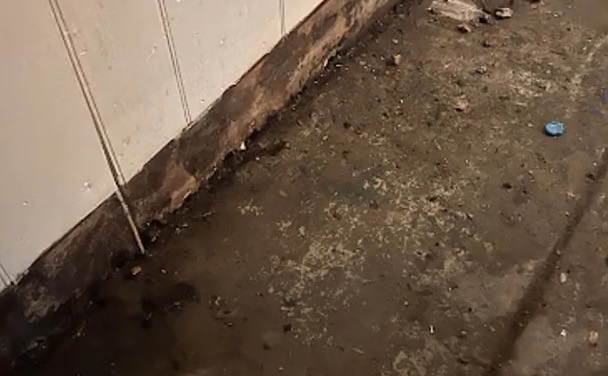
Reliable Septic Tank Backup Water Removal in Snohomish
Septic line backup water removal in Snohomish is crucial because the backup source might be deep in the system, requiring expertise to diagnose and address. Incorrect cleanup can lead to repeat overflows and further property damage.
Septic backup water extraction in Snohomish and the broader region, including places like Silver Firs, Eastmont and Mill Creek, demands expertise in both water damage and biohazard cleanup. Local water removal pros are equipped with pumps and sanitizing agents to manage sewage backup removal safely.
Septic Tank Backup Water Removal Services in Snohomish
Septic System Water Damage Repair
The pros coordinate the repair phase, which may involve removing and reinstalling building materials affected by the backup.
Septic Backup Flood Water Removal
The first priority is removing standing water from a septic system failure. In Snohomish, extraction experts handle sewage-contaminated fluids.
Septic Backup Sewage Cleanup
Sewage cleanup after a septic backup in Snohomish requires the safe removal of all contaminated water and solid waste.
Septic Overflow Decontamination
The decontamination process applies specialized agents to kill bacteria and viruses left by the sewage spill. The experts treat every surface the sewage touched.
Emergency Septic Backup Response
For a septic backup emergency, the pros respond day or night to start the extraction and cleanup process.
Symptoms Requiring Septic Tank Backup Water Removal
Drains Back Up After Heavy Rain
Drains that back up after storms often mean the drain field is saturated and the tank cannot drain.
Overflow From Septic Tank Lid Area
Visible effluent or wet soil around the septic tank access lid is a clear sign the tank is full and septic system water removal is required.
Foul Odors Near the Drain Field
Persistent sewage smells around your yard or near plumbing fixtures signal a potential septic system overflow. These odors often worsen after water use.
Water Backs Up in Lowest Fixtures
Sewage or water appearing in a basement shower or floor drain is a classic sign of septic tank backup water removal being urgently needed.
How Septic Tank Backup Water Removal Works in Snohomish
Step 1: Septic Backup Response
The experts start with an emergency response and a first look at how far the sewage spread.
Step 2: Contaminated Water Removal
Extraction equipment removes the sewage and contaminated water before it spreads further.
Step 3: Sewage Cleanup and Sanitizing
Surfaces are disinfected and deodorized so no bacteria or smell is left behind.
Step 4: Damage Documentation and Repair
The damage is documented for your insurance claim, and repairs restore the affected rooms.
Reasons for Sewage Backup in Snohomish
Clogged Inlet or Outlet Baffles
Blockages at the tank's entry or exit points prevent proper flow. This disruption is a frequent reason for septic tank water extraction calls.
Excessive Water Usage Overloading System
Too much water entering the tank at once can overwhelm it and send sewage back into the home.
Improper Tank or System Design
A tank or drain field that is too small for the household leads to repeated backups.
Broken or Misaligned Sewer Pipes
Settling soil, age or pressure can break the main line from the house to the tank.
Septic Tank Backup Water Removal for Homes and Businesses in Snohomish
Residential Septic Tank Backup Water Removal
Sewage smell can linger in a home after a septic backup. After cleanup, the pros remove the source, use air scrubbers and seal stained surfaces if the odor stays.
Commercial Septic Tank Backup Water Removal
For hotels or rental properties, a septic backup threatens reputation and revenue. Septic system water damage repair professionals work to rectify the plumbing issue and restore guest rooms or common areas with minimal downtime and thorough sanitization.
Septic Tank Backup Water Removal vs. DIY: When to Call Local Experts
You can safely identify and note the location of wet spots in your yard for the professionals. Avoid driving or walking over the suspected drain field area.
Understanding Septic Tank Backup Water Removal Expenses in Snohomish
In Snohomish, the cost of septic backup water removal depends on how much sewage came in, how many rooms it reached and whether the work is after hours.
Affected Materials
Porous materials like drywall or flooring that absorb septic water may require removal and disposal, adding to the project's scope and expense.
Structural Repairs
Any necessary septic system water damage repair, such as replacing subflooring or wall structures, is a separate line item in the restoration process.
Decontamination Procedures
Thorough septic overflow decontamination involves specialized antimicrobial agents and cleaning processes, which contribute to the overall material and labor costs.
Does Insurance Cover Septic Tank Backup Water Removal?
Homeowners insurance may cover septic tank backup water removal if the backup is caused by a sudden, accidental event listed in your policy. Coverage decisions belong solely to your insurer, so you should confirm your specifics.
The Value of Local Septic Backup Water Extraction Experts in Snohomish
Methodical Drying Process
After extraction, industrial air movers and dehumidifiers ensure the area is dried to prevent secondary mold damage.
Thorough Drain Backup Cleanup
The process addresses the septic tank drain backup completely, cleaning the affected plumbing fixtures and surrounding areas.
Advanced Water Extraction
Powerful pumps and truck-mounted units are used for rapid septic tank water extraction, removing the bulk of the contaminated liquid quickly.
Round-the-Clock Septic Tank Backup Water Removal in Snohomish
Residential septic backup cleanup is urgent due to contamination risks. If you have a septic backup, get help now from the experts available 24/7 by contacting them at (425) 386-5713.
Call Now (425) 386-5713Septic Tank Backup Water Removal Available Around Snohomish
In Snohomish, homes can get septic backup water removal from the experts, who also help homeowners in nearby areas like Silver Firs, Eastmont and Mill Creek.
- Septic Tank Backup Water Removal in Silver Firs
- Septic Tank Backup Water Removal in Eastmont
- Septic Tank Backup Water Removal in Mill Creek
- Septic Tank Backup Water Removal in Monroe
- Septic Tank Backup Water Removal in Everett
- Septic Tank Backup Water Removal in Martha Lake
- Septic Tank Backup Water Removal in Woodinville
- Septic Tank Backup Water Removal in Lake Stevens
- Emergency Damage Restoration in 98290
- Storm Damage Restoration in 98290
- Water Damage Restoration in 98290
- Water Extraction Service in 98290
- Water Leak Detection in 98290
- Water Removal Service in 98290
- Emergency Damage Restoration in 98291
- Storm Damage Restoration in 98291
Septic Tank Backup Water Removal FAQs
What equipment is used for septic backup odor removal?
Air scrubbers with HEPA filters, ozone generators, thermal foggers, or hydroxyl machines are employed to neutralize odor-causing compounds in the air and within porous materials.
How is septic tank drain backup cleanup performed?
Specialists clear the drain line if possible, then extract standing water and meticulously clean all fixtures and surfaces that came into contact with the contaminated backup.
What does septic overflow decontamination involve?
The process uses EPA-registered disinfectants and antimicrobial cleaners on all affected surfaces to kill bacteria and viruses, ensuring the area is sanitized and safe for reoccupation after the cleanup.
What is septic tank backup water removal?
It is safely extracting contaminated water from a failed septic system, then cleaning and decontaminating the affected rooms.
What happens during septic tank water extraction?
Powerful submersible pumps and truck-mounted extractors are used to remove the bulk of the contaminated liquid from the property, which is the first critical step in the restoration process.