Sammamish (North), WA · King County
Sewer Backup Water Removal in Sammamish (North), WAContaminated Water Removal & Emergency Sewer Water Extraction
Sewer Backup Water Removal in Sammamish (North) covers sewage backup cleanup, sewer line backup cleanup and contaminated water cleanup.
Answered 24/7
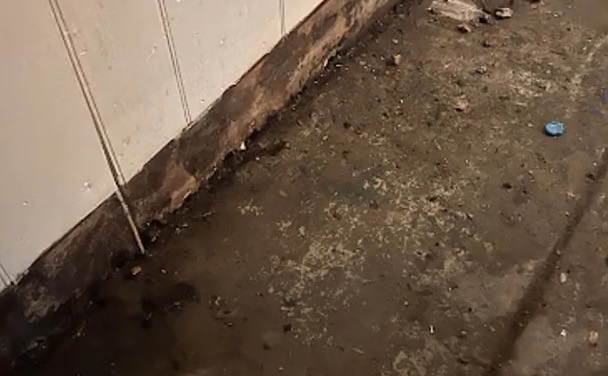
Sewer Backup Water Removal Services for Sammamish (North) Residents
A sewer line backup cleanup in Sammamish (North) can quickly compromise your property's integrity and indoor air quality. Black water contains dangerous contaminants from sanitary sewer lines that demand specialized remediation. Local sewer water extraction experts prioritize safety and rapid containment to limit the damage spread.
Sewer backups in Sammamish (North) and nearby Redmond, Issaquah and Carnation can flood lower floors with black water without warning. Local pros respond 24/7 to extract it before swelling, odor and mold set in.
Professional Sewer Backup Water Removal Offerings in Sammamish (North)
Contaminated Water Removal
Local sewer backup water removal pros wear protective gear and seal off the area while they extract contaminated water and solids, keeping occupants away from the hazard.
Emergency Sewer Water Extraction
Submersible pumps and extraction wands pull out the standing sewage from floors, low spots and carpet in homes and businesses after a backup.
Sewer Backup Drying Services
The pros dry the structure fully so mold does not follow. Moisture meters and thermal cameras track progress until materials reach a dry reading.
Sewage Backup Cleanup
Sewage backup cleanup involves removing contaminants and sanitizing affected surfaces. After extraction, the pros in Sammamish (North) clean all impacted materials using EPA-registered disinfectants to address the health risks posed by black water.
Sewer Line Backup Cleanup
A sewer line backup can cause significant flooding. Professional cleanup involves early action to extract the water, remove debris, and disinfect the area, a crucial intervention for Sammamish (North) properties dealing with this severe plumbing emergency.
When to Call for Sewer Backup Water Removal in Sammamish (North)
Sump Pump Failure With Sewage
A failed basement pump with sewer water rising is urgent. The water must come out and the space must be dried.
Foul Sewer Odors Indoors
A rotten egg smell means sewer gas is escaping from a drain or broken pipe. The gas is a health hazard and often comes before a backup.
Sewage on Carpet or Flooring
Carpet, pads and furniture that sat in black water hold sewage and germs. They usually need removal, not just cleaning.
Slow Flushing or Overflow
Toilets that will not flush or keep overflowing are an early sign of a sewer line backup.
How Sewer Backup Water Removal Works in Sammamish (North)
Step 1: Initial Sewer Water Extraction
Immediate extraction of all standing sewage water is performed to mitigate damage and begin the flood cleanup process.
Step 2: Wet Drywall and Flooring Removal
Porous, contaminated materials like wet drywall and flooring are cut out and disposed of according to hazardous waste guidelines.
Step 3: Structural Drying and Monitoring
The pros deploy drying equipment and use moisture meters to monitor progress until the area meets dry standard criteria.
Step 4: Sanitization After Sewer Backup
A thorough sanitization after sewer backup is conducted, including air scrubbing if needed, to eliminate odors and pathogens.
What Causes Sewer Backups in Sammamish (North)
Sanitary Sewer Overflows (SSOs)
Failures at treatment plants or pump stations can send sewage back into connected homes.
Cross-Connected Drain Lines
Storm and sewer drains that were joined improperly can back up together during heavy rain.
Frozen or Burst Sewer Pipes
In cold climates, frozen sewer lines can burst and release wastewater into the home.
Sump Pump Failure or Overflow
When a pump fails during a storm, a basement can flood with contaminated water, demanding extraction and drying.
Sewer Backup Water Removal for All Property Types in Sammamish (North)
Residential Sewer Backup Water Removal
A sewer backup can ruin family rooms and leave a smell. Drying wall cavities and subfloors fully keeps mold from growing inside the structure.
Commercial Sewer Backup Water Removal
Commercial backups can be large. Truck-mounted pumps handle big volumes, and restrooms and common areas are cleaned and disinfected before reopening.
Risks of DIY Sewer Backup Water Removal
Stay out of the water and shut off power to affected areas if it is safe. Take photos for your insurance claim. Leave the actual sewage removal and handling of soaked materials to pros, because of the health risks.
Understanding Sewer Backup Water Removal Costs in Sammamish (North)
Estimating the cost of contaminated water cleanup in Sammamish (North) involves assessing porous materials that must be discarded, the structural drying needed, and post-cleanup verification testing.
Contamination Level
Heavy sewage saturation in porous materials like drywall or insulation often requires removal rather than cleaning, adding to material replacement costs.
Emergency Response
A 24/7 emergency sewer cleanup call, especially during off-hours, involves mobilization costs for water extraction and damage containment.
Structural Drying Time
The duration needed for professional drying to prevent mold depends on materials and humidity, affecting equipment rental and monitoring expenses.
Does Insurance Cover Sewer Backup Water Removal?
For sewage backup cleanup, some policies cover the resulting water damage but not the repair of the sewer line itself. The pros methodically record all affected areas to support a homeowner's insurance claim.
Why Choose Local Pros for Sewer Backup Water Removal in Sammamish (North)
Contaminated Material Removal
Proper handling and disposal of sewage-saturated porous materials like drywall and insulation is a key step in the cleanup process.
Advanced Extraction Equipment
Powerful truck-mounted or portable extractors are used to remove large volumes of sewer water quickly from floors and carpets.
Odor Neutralization Techniques
Specialized deodorization methods address persistent sewage odors, working to restore a fresher indoor environment post-cleanup.
24/7 Emergency Sewer Backup Water Removal in Sammamish (North)
A sewer backup requires immediate attention to stop further damage and health hazards. For 24/7 emergency sewer cleanup and water extraction in Sammamish (North), call (425) 386-5713 to speak with the pros.
Call Now (425) 386-5713Sewer Backup Water Removal Serving Sammamish (North), Redmond, Issaquah and Carnation
Sewer water extraction and disinfection are available in Sammamish (North) and nearby areas such as Redmond, Issaquah and Carnation.
- Sewer Backup Water Removal in Sammamish
- Sewer Backup Water Removal in Redmond
- Sewer Backup Water Removal in Issaquah
- Sewer Backup Water Removal in Carnation
- Sewer Backup Water Removal in Bellevue
- Sewer Backup Water Removal in Newcastle
- Sewer Backup Water Removal in Beaux Arts Village
- Sewer Backup Water Removal in Clyde Hill
Sewer Backup Water Removal in Sammamish (North): Your Questions Answered
How quickly should sewage backup cleanup begin?
Sewage backup cleanup should begin immediately due to rapid contamination spread and health risks, which is why 24/7 emergency response is standard for this service.
What does black water damage restoration involve?
Black water damage restoration involves extracting the contaminated water, removing unsalvageable porous materials, disinfecting surfaces, and thoroughly drying the structure to industry standards.
How long does sewer backup drying services take?
Sewer backup drying services duration depends on the extent of saturation and materials involved, typically taking several days with industrial dehumidifiers and air movers.
What happens during sewage damage restoration?
During sewage damage restoration, pros remove the contaminated water and waste, discard damaged materials, clean and disinfect, then dry and verify the environment is safe.
What areas need sewer line backup cleanup?
Sewer line backup cleanup is needed anywhere sewage has flooded, commonly basements, bathrooms, laundry rooms, and any lower-level or ground-floor living spaces.