Sammamish (North), WA · King County
Sprinkler System Water Removal in Sammamish (North), WABackflow Water Damage Restoration & Emergency Sprinkler Leak Response
Sprinkler System Water Removal in Sammamish (North) includes broken sprinkler head cleanup, backflow water damage restoration and sprinkler valve leak cleanup to repair water damage.
Answered 24/7
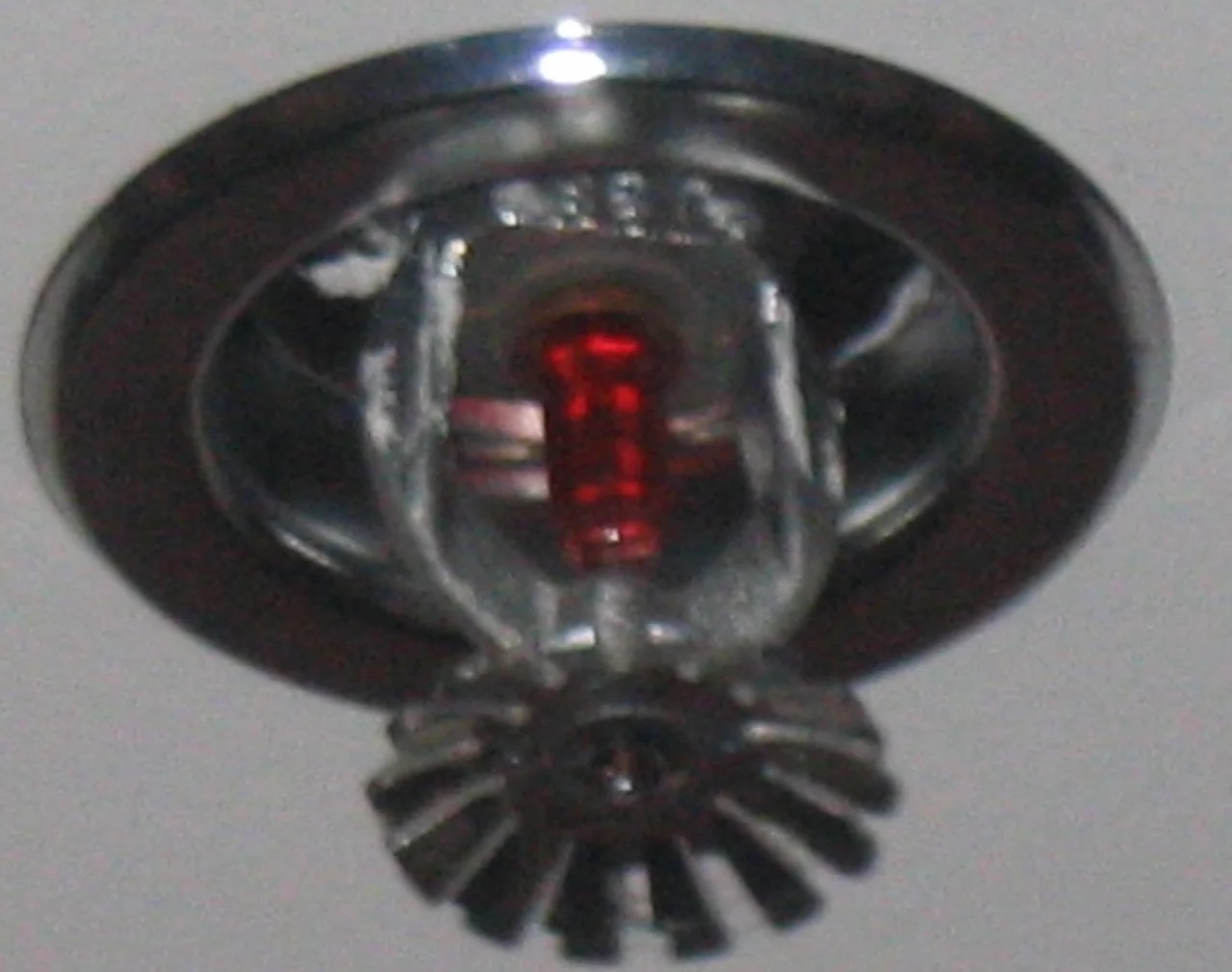
Sprinkler System Water Removal Solutions in King County
Irrigation system drying is a final, essential step after water removal in Sammamish (North). Residual moisture inside pipes and valve boxes can cause corrosion or freeze damage in cooler months.
In Sammamish (North) and nearby Redmond, Issaquah and Carnation, a broken irrigation line can flood a yard quickly. Local water extraction experts pump out the standing water, then dry the soil and hardscape to stop erosion.
Comprehensive Sprinkler System Water Removal Offerings
Backflow Water Damage Restoration
Backflow water damage in Sammamish (North) requires a restoration approach. Experts remove the water and assess for contamination, applying appropriate cleaning agents to patios, equipment, or soil.
Emergency Sprinkler Leak Response
Emergency sprinkler leaks demand quick action. The experts assess the leak, stop the flow if possible, and remove water to limit soil and foundation saturation.
Landscape Water Damage Repair
After water removal, repair addresses the damage to your landscaping itself. This may involve regrading soil, replacing washed-out mulch, reinstalling sod, or repairing damaged hardscapes like pavers.
Sprinkler Valve Leak Cleanup
Faulty sprinkler valves require cleanup of the valve box and adjacent soil. The experts remove all water and moisture, clean components for repair, and provide documentation for records.
Irrigation System Flood Removal
When an irrigation line bursts underground, it can saturate the soil and surface.
Warning Signs You Need Sprinkler System Water Removal
Muddy Soil Around Sprinkler Heads
Excessive mud or soil erosion near sprinkler heads suggests a broken sprinkler head causing localized flooding.
Reduced Water Pressure in System
Weak sprinkler spray can mean water is escaping from a broken pipe, leading to landscape water damage.
Gushing Water at a Valve Box
Water running out of a valve box means a sprinkler valve is leaking.
Water Pooling on the Surface
Standing water in the yard after the system runs means more water is going out than the soil can absorb, often from a broken line.
How Sprinkler System Water Removal Works in Sammamish (North)
Step 1: On-Site Flood Evaluation
The experts in Sammamish (North) assess the irrigation system flood removal scope, identifying the leak source and all impacted zones.
Step 2: Surface Water Removal
Powerful pumps remove the pooled water on the surface first, starting at the lowest spots.
Step 3: Subsurface Moisture Mitigation
For underground saturation, the pros use injection drying systems to pull moisture from the soil, preventing foundation issues.
Step 4: Final Verification and Cleanup
The site is verified as dry, and any displaced soil or debris from the sprinkler leak cleanup is neatly restored.
Leading Causes of Irrigation Water Damage
Frozen or Burst Sprinkler Pipes
Winter freezing can crack sprinkler pipes, and the flooding starts once they thaw.
Backflow Preventer Malfunctions
A failed backflow device can let irrigation water flow back toward the home's water supply, a contamination hazard.
Improper System Winterization
Incomplete draining before freeze-up leaves water in lines to expand and crack, causing springtime sprinkler water damage.
Accidental Digging or Strikes
Gardening, construction, or digging can sever underground lines, resulting in an emergency sprinkler leak response situation.
Residential and Commercial Sprinkler System Water Removal in Sammamish (North)
Residential Sprinkler System Water Removal
In homes, sprinkler system water removal addresses flooding from broken heads or leaking pipes that soak lawns, flowerbeds, and soil near the foundation.
Commercial Sprinkler System Water Removal
For businesses, irrigation system flood removal is critical to maintain curb appeal, safe walkways, and parking lot stability.
Sprinkler System Water Removal vs. DIY: When to Call Water Extraction Experts
After the experts complete the water extraction, you can aid the recovery by lightly raking affected soil areas as they dry. All major restoration, including backflow water damage restoration or system repairs, should be handled entirely by the professionals.
Understanding Sprinkler System Water Removal Pricing
Backflow cleanup cost depends on how contaminated the water is and the safety steps needed. The size of the outdoor area and any drying of structures add to it.
Extraction Equipment Needed
Large irrigation floods may need truck-mounted pumps, while small leaks may need only portable extractors, which changes the cost.
System Accessibility
Sprinkler valves or pipes buried deep or under hardscapes are more costly to access for leak isolation and water extraction work.
Water Contamination Level
Backflow incidents involving contaminated water require specialized cleanup and disposal methods, increasing the restoration project's overall expense.
Does Insurance Cover Sprinkler System Water Removal?
Insurance for sprinkler valve leak cleanup hinges on whether the cause is sudden (like a freeze rupture) or gradual wear. The pros in Sammamish (North) gather all necessary evidence, including cause and origin. You are responsible for filing the claim and discussing coverage limits.
Advantages of Hiring Local Experts in Sammamish (North)
Clear Restoration Documentation
The process and results are fully documented, providing a clear record for you and potentially for insurance purposes.
Contaminated Water Protocols
Safe handling and disposal procedures are used for backflow incidents, addressing health risks from non-potable water in your yard.
24/7 Emergency Leak Response
Immediate action on a sprinkler leak minimizes soil erosion, foundation water damage, and the risk of mold in adjacent structures.
Round-the-Clock Sprinkler System Water Removal for Sammamish (North)
An irrigation system flood requires urgent attention. Stop further damage with water removal by calling (425) 386-5713. The experts in Sammamish (North) mobilize day or night to address standing water and begin the drying process.
Call Now (425) 386-5713Local Sprinkler System Water Removal Area for Sammamish (North)
Backflow water damage restoration requires specific expertise available in Sammamish (North). The experts here also assist residents in nearby Redmond, Issaquah and Carnation with contaminated water cleanup and landscape repair.
- Sprinkler System Water Removal in Sammamish
- Sprinkler System Water Removal in Redmond
- Sprinkler System Water Removal in Issaquah
- Sprinkler System Water Removal in Carnation
- Sprinkler System Water Removal in Bellevue
- Sprinkler System Water Removal in Newcastle
- Sprinkler System Water Removal in Beaux Arts Village
- Sprinkler System Water Removal in Clyde Hill
Your Sprinkler System Water Removal Questions Answered
Can I handle sprinkler water damage myself?
Small puddles from a single head may be manageable. For significant flooding, soil saturation, or backflow, professional water extraction equipment and drying techniques are needed to prevent hidden damage.
What are signs I need emergency sprinkler leak response?
Signs include unexplained soggy lawns, mud, water pooling on sidewalks, or a sudden drop in water pressure. If you see a geyser from a sprinkler head, call the experts.
What documentation do pros provide for insurance?
The experts document the scene with photos, moisture readings, and a detailed report outlining the cause, extent of water damage, and mitigation steps taken.
Does irrigation system flood removal include drying?
Yes. After extraction, the focus shifts to irrigation system drying. This may involve using air movers across wet surfaces and monitoring soil moisture until it returns to acceptable levels.
What is backflow water damage restoration?
The experts safely remove the water, disinfect affected surfaces, and document the damage for insurance. This addresses contamination when non-potable water from irrigation systems flows backward into a property.