Clyde Hill, WA · King County
Standing Water Extraction in Clyde Hill, WAFlooded Room Drying & Appliance Leak Water Removal
In Clyde Hill, Standing Water Extraction consists of post-flood sanitization, basement standing water removal and flooded room drying.
Answered 24/7
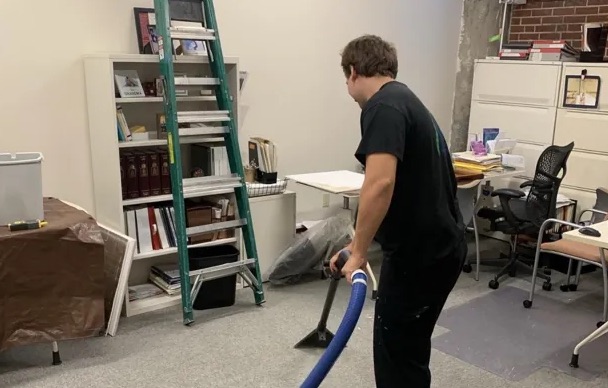
Standing Water Extraction Experts Serving Clyde Hill
Standing water in a Clyde Hill business is a slip hazard and can damage stock and equipment. Removing it quickly limits downtime.
Businesses in Clyde Hill, Medina, Hunts Point and Yarrow Point lose money while water sits on the floor. Local water extraction pros bring high-capacity pumps and dryers to remove it after roof or plumbing leaks.
Standing Water Extraction Work for Clyde Hill Properties
Flooded Room Drying
After extraction, the pros run air movers and dehumidifiers in the flooded room until moisture readings show the floors and walls are dry.
Appliance Leak Water Removal
Appliance leak water removal extracts water from failed water heaters or washing machines.
Laundry Room Water Extraction
Laundry room water extraction pulls standing water from tile, vinyl and the subfloor edges, then moisture meters check the walls behind the washer and dryer.
Crawl Space Water Extraction
Crawl space water extraction requires low-profile equipment to access standing water. After removal, focused drying combats the damp environment to protect substructures.
Emergency Water Pump Out
After major flooding, pumps bring the water level down so drying and cleaning can begin sooner.
Indicators of Standing Water Damage in Clyde Hill
Visible Water in Basement
Puddles or soaked floors in the basement point to groundwater seeping in or a plumbing failure.
Groundwater in Utility Room
Water in a mechanical room threatens the water heater, furnace and wiring.
Wet Drywall or Baseboards
Discolored or soft walls and trim show water has wicked up into the structure.
Standing Water After Flood
Water still sitting days after a flood needs extraction, drying and sanitizing.
How Standing Water Extraction Works in Clyde Hill
Step 1: Emergency Water Assessment
The pros first evaluate the flooding source and extent, checking for safety hazards like electrical risks or structural compromise.
Step 2: Industrial Water Pump Out
Using submersible pumps and extractors, they perform the core standing water removal, clearing visible water from the property.
Step 3: Targeted Flooded Area Drying
High-capacity air movers and dehumidifiers are strategically placed to dry walls, floors, and hidden cavities using industry-standard methods.
Step 4: Post-Extraction Sanitization
Affected surfaces are treated with EPA-registered antimicrobial solutions as part of post-flood sanitization to inhibit mold and bacteria.
Frequent Sources of Water Damage
Appliance Malfunctions and Leaks
Faulty water heaters, washing machines, dishwashers and refrigerators can leak a lot of water before anyone notices.
Roof Leaks and Gutter Failures
Damaged roofing or blocked gutters send water inside the walls, where it collects unseen.
HVAC Condensate Overflow
A clogged condensate drain makes the air handler overflow onto the floor.
Plumbing System Failures
Burst pipes, leaking fittings and failed supply hoses can release large volumes of water fast.
Residential and Commercial Standing Water Extraction in Clyde Hill
Residential Standing Water Extraction
Appliance leaks often flood kitchens and laundry rooms. Calling the pros for appliance leak water removal prevents water from spreading to subfloors.
Commercial Standing Water Extraction
For strip malls, offices, or manufacturing sites, standing water removal must be thorough. The pros use extractors and industrial dehumidifiers.
Standing Water Extraction vs. DIY: When to Call Local Pros
You can mop hard floors to prevent slips and put towels around appliances to contain small leaks. Water soaked into drywall, insulation or subfloors needs pros with drying equipment.
What Influences Water Extraction Costs
The cost of standing water extraction in Clyde Hill depends on the volume of water, the affected area's size, and how long it has been standing.
Area Size and Contamination
Larger flooded areas need more equipment. Water category from clean to contaminated affects the safety protocols and cleanup methods used.
Post-Extraction Services
Additional steps like sanitization or minor repairs identified during water removal will be factored into the overall restoration estimate.
Materials Affected
Porous materials like drywall and carpet hold more water and often must be removed, which adds to the job.
Does Insurance Cover Standing Water Extraction?
Whether insurance covers standing water extraction in Clyde Hill depends entirely on your policy's cause-of-loss provisions. Sudden events like a burst pipe are often covered, while groundwater seepage may not be.
Why Professional Standing Water Extraction Matters
Structured Drying Process
Drying is tracked with readings each day until the floor and walls are actually dry.
Direct Communication
You receive clear explanations of the standing water removal process and the findings from the initial assessment of your property.
Advanced Moisture Detection
Moisture meters and thermal cameras find water hidden behind walls and under floors after the visible water is gone.
24/7 Standing Water Extraction When You Need It
Standing water in Clyde Hill? Call (425) 386-5713 24 hours a day to have it removed and drying started before it soaks in.
Call Now (425) 386-5713Standing Water Extraction Services Throughout the Region
In Clyde Hill, local pros handle groundwater floods and burst pipes. The same help reaches homeowners in Medina, Hunts Point and Yarrow Point.
- Standing Water Extraction in Medina
- Standing Water Extraction in Hunts Point
- Standing Water Extraction in Yarrow Point
- Standing Water Extraction in Bellevue
- Standing Water Extraction in Kirkland
- Standing Water Extraction in Beaux Arts Village
- Standing Water Extraction in Mercer Island
- Standing Water Extraction in Newcastle
Common Standing Water Extraction Queries Answered
Should a homeowner ask for help with insurance claims for flood cleanup?
While coverage decisions are made by your insurer, the pros provide detailed documentation of the damage and the restoration process to support your flood damage cleanup claim.
What is included in commercial water removal?
Commercial water removal involves large-scale extraction, protecting inventory and equipment, strategic drying to minimize business interruption, and detailed documentation for property management.
How quickly should standing water be removed?
Standing water should be removed as soon as possible, ideally within 24-48 hours, to prevent structural damage, mold growth, and the spread of contamination throughout the property.
What is the first step in home flood cleanup?
Turn off electricity to the affected area if it is safe, then call pros so water removal can start early.
What are the dangers of untreated standing water?
Untreated standing water can weaken structures, ruin finishes, create slip hazards, and become a breeding ground for mold, bacteria, and insects within a short time.