ZIP 98002 · Auburn, WA · King County
Storm Damage Restoration in 98002Debris Removal After Storm & Emergency Roof Tarping
Storm Damage Restoration for Auburn homes covers storm flooded basement cleanup, wind-driven rain drying and emergency roof tarping.
Answered 24/7
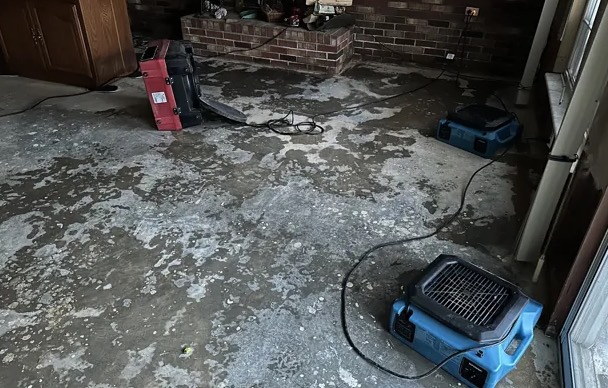
Storm Water Damage Cleanup in 98002, Washington
In Auburn, the storms that cause the most water damage bring strong wind and heavy rain together, pushing water into places it does not normally reach.
Storm damage restoration is available in Auburn and nearby Pacific, Federal Way and Kent. The pros handle board-up, tarping, water extraction and drying after storms of any size.
Storm Damage Cleanup Services in 98002, WA
Debris Removal After Storm
Mud, broken glass, wet insulation and branches that came into the house are cleared so extraction and drying can reach the floors and walls.
Emergency Roof Tarping
Tarping keeps the attic and ceilings from getting wet again during the storms that often follow the first one.
Wall Cavity Drying After Storms
Water that gets behind siding or stucco can soak insulation and the back of the drywall. The pros find it with meters and dry the cavity.
Storm Flooded Basement Cleanup
Storm water that floods a basement is pumped out, wet carpet and drywall are removed and the slab and walls are cleaned and dried.
Storm Damage Water Extraction
Storm water that came in from outside may carry dirt and debris, so floors are cleaned as well as extracted before drying begins.
Storm Damage Warning Signs in 98002
Musty Smell After Heavy Rain
A damp smell that was not there before the storm usually means wet insulation, carpet pad or wall cavities.
Mud or Debris Indoors
Mud, leaves or glass inside the house mean storm water came in from outside and floors need cleaning as well as drying.
Bubbling Paint on Exterior Walls
Paint that bubbles on the inside of an exterior wall after a storm points to water that got behind the siding.
Wet Carpet Near Windows and Doors
Damp carpet or swollen flooring along exterior walls shows that rain was driven in around frames or under doors.
How Storm Damage Restoration Works in 98002
Step 1: Damage Walkthrough
The pros check every room, the attic and the outside of the house to see where water got in and how far it spread.
Step 2: Cover the Openings
Tarps and plywood go over damaged roof sections, windows and doors before extraction starts.
Step 3: Remove Soaked Materials
Carpet pad, insulation and drywall that are too wet to dry in place are cut out and bagged.
Step 4: Document for the Claim
Photos, moisture readings and a list of removed materials are put together for you to share with your insurer.
Common Causes of Storm Damage in 98002
Overflowing Gutters
Heavy rain can overflow clogged or undersized gutters, sending water down walls and toward the foundation.
Wind-Driven Rain
Strong winds push rain sideways into window frames, vents and siding joints that keep out normal rain.
Storm Runoff Into Basements
Heavy rain can raise the water around a house and push it through window wells, cracks and floor drains.
Roof Damage From Wind
High winds lift and tear shingles and flashing, exposing the roof deck to rain that soaks into the attic.
Residential and Commercial Storm Damage Restoration in 98002
Residential Storm Damage Restoration
In homes with finished basements, storm water can soak carpet, drywall and storage. The pros pump out the water, remove soaked finishes and dry the walls and slab.
Commercial Storm Damage Restoration
Commercial buildings with basement storage or mechanical rooms get pump-out, removal of wet materials and drying of the floor and walls.
Storm Damage Restoration vs. DIY: When to Call Local Pros
Move furniture, electronics and rugs away from wet areas and out from under leaks. Set buckets under drips and lay towels to keep water from spreading.
Storm Damage Restoration Cost in 98002, WA
The cost of storm damage restoration in Auburn depends on how many rooms got wet, whether the roof or windows need covering and how long drying takes.
Drying Time
Each extra day of air movers, dehumidifiers and moisture checks adds to the cost, especially in wet attics and wall cavities.
Rooms Affected
Each wet room needs extraction, drying equipment and moisture checks, so the number of rooms sets much of the cost.
Basement Flooding
Pumping out a flooded basement and removing wet finishes adds equipment and labor to the job.
Does Insurance Cover Storm Damage Restoration?
Policies often expect you to take reasonable steps to prevent more damage, such as tarping and boarding up. Keep receipts for that work.
Why Storm Damage Needs Professional Drying in 98002
24/7 Storm Help
Storms hit at night and on weekends. Help is available around the clock, so board-up and extraction can start once it is safe.
Hidden Water Found
Moisture meters and thermal cameras find water in walls, attics and under flooring that is not visible after a storm.
Notes for Other Trades
Roof, window and siding damage is noted with photos, so roofers and contractors know where water got in.
Emergency Storm Damage Cleanup in 98002
Storm damage in Auburn? Call (425) 386-5713 for emergency water extraction, removal of debris inside the home and drying, day or night.
Call Now (425) 386-5713Storm Damage Restoration Coverage in 98002, King County
From Auburn to Pacific, Federal Way and Kent, storm cleanup follows the same steps: cover the openings, remove the water and dry the structure.
Questions About Storm Damage Restoration
How long does it take to dry a home after storm damage?
Drying often takes several days, depending on how many rooms got wet and how much insulation and drywall came out. Moisture readings decide when it is done.
Is storm water dirty?
Rain coming through a roof is usually clean at first. Water that came in from outside across the ground is treated as dirty and needs cleaning as well as drying.
What records will I get for my insurance claim?
Photos of the damage, daily moisture readings and a list of removed materials, which you can share with your adjuster.
Does insurance cover storm damage?
Many policies cover damage from wind and hail. Flooding from rising water outside usually needs a separate flood policy. Your insurer decides coverage.
Can storm damage lead to mold?
It can if materials stay wet for a day or two. Prompt extraction, removal of soaked insulation and measured drying keep that from happening.