ZIP 98020 · Edmonds, WA · Snohomish County
Storm Damage Restoration in 98020Wall Cavity Drying After Storms & Storm Flooded Basement Cleanup
Storm Damage Restoration in Edmonds handles hail damage leak cleanup, wall cavity drying after storms and storm damage water extraction.
Answered 24/7
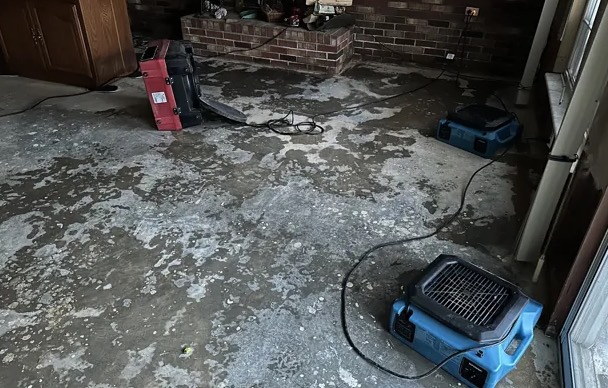
Help With Storm Damage in 98020
In Edmonds, the storms that cause the most water damage bring strong wind and heavy rain together, pushing water into places it does not normally reach.
Storm damage restoration is available in Edmonds and nearby Lynnwood, Mountlake Terrace and Shoreline. The pros handle board-up, tarping, water extraction and drying after storms of any size.
Storm Damage Cleanup Services in 98020, WA
Wall Cavity Drying After Storms
Storm water inside exterior walls often shows up as bubbling paint or a damp baseboard. Drying the cavity keeps the framing from rotting.
Storm Flooded Basement Cleanup
Storm water that floods a basement is pumped out, wet carpet and drywall are removed and the slab and walls are cleaned and dried.
Storm Damage Water Extraction
Rainwater that came in through a roof, window or door is removed from floors, carpet and the space under cabinets before it soaks into walls.
Debris Removal After Storm
Wet debris left in a room keeps the space damp. Clearing it is the first step before the pros extract water and set up drying.
Emergency Roof Tarping
When wind or a fallen branch opens the roof, a tarp is fastened over the damage as a stopgap until a roofer makes the repair.
When Storm Damage Needs Professional Cleanup
Ceiling Stains After a Storm
New brown rings or damp spots on the ceiling after high wind or hail mean water is getting through the roof.
Wet Attic Insulation
Damp or matted insulation in the attic after a storm means rain is getting past the roof deck.
Broken Windows or Doors
Any broken glass or damaged door lets rain and wind in. The opening needs to be covered before drying can work.
Dented Vents and Skylights
Hail dents on roof vents, skylight frames or flashing can leave gaps where water gets in during the next storm.
How Storm Damage Restoration Works in 98020
Step 1: Secure the Building
Broken windows and doors are boarded up and roof damage is tarped so no more rain gets in.
Step 2: Remove Debris
Mud, glass, branches and wet insulation that came inside are cleared so the floors and walls can be reached.
Step 3: Storm Damage Water Extraction
Water is removed from floors, carpet and under cabinets with pumps and extractors, starting where it is deepest.
Step 4: Dry and Monitor
Air movers and dehumidifiers run while the pros take daily readings, until walls and floors match dry areas.
How Storms Let Water Into 98020 Homes
Roof Damage From Wind
High winds lift and tear shingles and flashing, exposing the roof deck to rain that soaks into the attic.
Wind-Driven Rain
Strong winds push rain sideways into window frames, vents and siding joints that keep out normal rain.
Flash Flooding
Sudden heavy rain can send water across yards and under doors faster than drains and gutters can carry it away.
Hail Impact
Hail cracks shingles, skylights and vent caps, opening small gaps that leak during the storms that follow.
Storm Cleanup for 98020 Homes and Commercial Buildings
Residential Storm Damage Restoration
In homes, storm damage usually means wet ceilings, carpet near windows and water inside exterior walls. The pros cover openings, remove the water and dry each room, with photos for your claim.
Commercial Storm Damage Restoration
For businesses, the pros board up storefronts, extract water from floors and dry the space in sections, so dry areas can be used again first.
Storm Damage Restoration vs. DIY: When to Call Local Specialists
Keep receipts for tarps, plywood and any supplies you buy after the storm. Many policies cover reasonable steps taken to prevent more damage to the home.
Storm Damage Restoration Cost in 98020, WA
Board-up and tarping, debris removal, water extraction and drying are each priced separately, so the total depends on which ones your home needs.
Debris Inside
Mud, glass, branches and wet insulation inside the house take time to clear and dispose of.
Timing of the Work
Work during or right after a storm, at night or on a weekend, can carry a higher rate than scheduled work.
Drying Time
Each extra day of air movers, dehumidifiers and moisture checks adds to the cost, especially in wet attics and wall cavities.
Does Insurance Cover Storm Damage Restoration?
Some policies have a separate wind or hail deductible. Read yours or ask your agent so you know what to expect before work begins.
What Local Pros Bring After a Storm in 98020, WA
Notes for Other Trades
Roof, window and siding damage is noted with photos, so roofers and contractors know where water got in.
Drying to Measured Targets
Drying ends when readings show walls and floors are dry, not when the surface looks dry.
Records for Your Claim
Photos, readings and a list of removed materials give your adjuster a clear picture of the storm damage inside the house.
24/7 Emergency Storm Damage Restoration in 98020
Do not wait for the next storm to deal with an open roof or broken window. Call (425) 386-5713 so the openings are covered and the inside can dry.
Call Now (425) 386-5713Storm Damage Restoration for 98020 and Nearby Communities
Local storm damage specialists cover Edmonds and surrounding communities including Lynnwood, Mountlake Terrace and Shoreline for storm cleanup, board-up and drying.
Questions About Storm Damage Restoration
What is emergency board-up?
Plywood is fastened over broken windows and doors so rain and wind stay out and the home is secure while it dries.
How long does it take to dry a home after storm damage?
Drying often takes several days, depending on how many rooms got wet and how much insulation and drywall came out. Moisture readings decide when it is done.
How soon should storm cleanup start?
As soon as it is safe. Wet drywall, carpet and insulation can start to grow mold in 24 to 48 hours, and open roofs and windows let in more rain.
Can wet carpet be saved after a storm?
Often, if it got wet from rain through a roof or window and is extracted and dried quickly. Carpet soaked by floodwater from outside is usually replaced.
Can hail damage cause leaks later?
Yes. Hail can crack shingles, skylights and vent caps, and those cracks may not leak until the next heavy rain.