ZIP 98213 · Everett, WA · Snohomish County
Storm Damage Restoration in 98213Storm Damage Water Extraction & Wall Cavity Drying After Storms
Storm Damage Restoration for Everett homes covers storm flooded basement cleanup, wind-driven rain drying and emergency roof tarping.
Answered 24/7
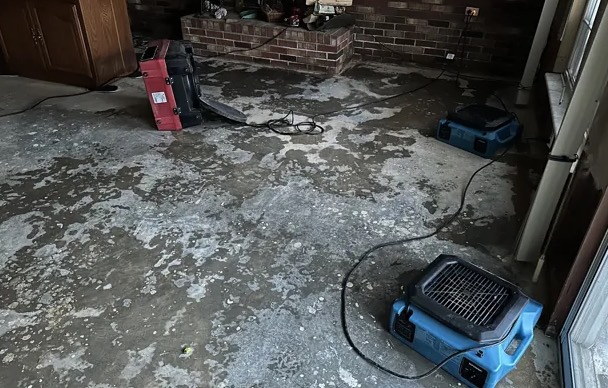
Help With Storm Damage in 98213
Storms let water in through damaged roofs, broken windows and torn siding. Once inside, it soaks carpet, runs into walls and drips through ceilings.
Storm damage restoration is available in Everett and nearby Mukilteo, Marysville and Eastmont. The pros handle board-up, tarping, water extraction and drying after storms of any size.
Storm Water Removal and Drying in 98213
Storm Damage Water Extraction
Rainwater that came in through a roof, window or door is removed from floors, carpet and the space under cabinets before it soaks into walls.
Wall Cavity Drying After Storms
Storm water inside exterior walls often shows up as bubbling paint or a damp baseboard. Drying the cavity keeps the framing from rotting.
Debris Removal After Storm
Mud, broken glass, wet insulation and branches that came into the house are cleared so extraction and drying can reach the floors and walls.
Hail Damage Leak Cleanup
Hail can crack shingles, skylights and vent caps, and the next rain finds those cracks. The pros dry the attic and ceilings where the water got in.
Wind-Driven Rain Drying
When high winds drive rain into a home, water often runs down inside exterior walls. Meters find it, and drywall is opened where needed to dry it.
Signs of Storm Water Damage in Your 98213 Home
Dented Vents and Skylights
Hail dents on roof vents, skylight frames or flashing can leave gaps where water gets in during the next storm.
Missing or Lifted Shingles
Shingles on the lawn or lifted at the edges after a storm mean the roof deck is exposed to the next rain.
Wet Carpet Near Windows and Doors
Damp carpet or swollen flooring along exterior walls shows that rain was driven in around frames or under doors.
Mud or Debris Indoors
Mud, leaves or glass inside the house mean storm water came in from outside and floors need cleaning as well as drying.
How Storm Damage Restoration Works in 98213
Step 1: Secure the Building
Broken windows and doors are boarded up and roof damage is tarped so no more rain gets in.
Step 2: Remove Debris
Mud, glass, branches and wet insulation that came inside are cleared so the floors and walls can be reached.
Step 3: Storm Damage Water Extraction
Water is removed from floors, carpet and under cabinets with pumps and extractors, starting where it is deepest.
Step 4: Dry and Monitor
Air movers and dehumidifiers run while the pros take daily readings, until walls and floors match dry areas.
Where Storm Water Gets Into a House
Wind-Driven Rain
Strong winds push rain sideways into window frames, vents and siding joints that keep out normal rain.
Hail Impact
Hail cracks shingles, skylights and vent caps, opening small gaps that leak during the storms that follow.
Flying Debris
Outdoor furniture, signs and branches carried by wind can break glass and doors and let rain into the home.
Flash Flooding
Sudden heavy rain can send water across yards and under doors faster than drains and gutters can carry it away.
Home and Business Storm Damage Cleanup in 98213
Residential Storm Damage Restoration
In condos and townhomes, storm water can come through a neighbor's unit or a shared roof. The pros dry each affected unit and record what they find in each.
Commercial Storm Damage Restoration
Stores and offices with broken glass get boarded up for security, and wet stock and furniture are moved before extraction and drying begin.
When Storm Damage Is Too Big for DIY
Take photos and video of damage inside and outside, including broken windows and the roof, before anything is moved. Your insurer will ask for them.
Storm Damage Restoration Cost in 98213, WA
The cost of storm damage restoration in Everett depends on how many rooms got wet, whether the roof or windows need covering and how long drying takes.
Basement Flooding
Pumping out a flooded basement and removing wet finishes adds equipment and labor to the job.
Water Source
Rain coming through a roof is cleaner than floodwater from outside. Dirty water means more cleaning and removal of porous materials.
Debris Inside
Mud, glass, branches and wet insulation inside the house take time to clear and dispose of.
Does Insurance Cover Storm Damage Restoration?
Some policies have a separate wind or hail deductible. Read yours or ask your agent so you know what to expect before work begins.
What Local Pros Bring After a Storm in 98213, WA
Dirty Water Handled Safely
Water that came in from outside is treated as dirty, with soaked porous materials removed and surfaces cleaned.
Hidden Water Found
Moisture meters and thermal cameras find water in walls, attics and under flooring that is not visible after a storm.
Notes for Other Trades
Roof, window and siding damage is noted with photos, so roofers and contractors know where water got in.
Emergency Storm Damage Help in 98213, WA
Storm damage in Everett? Call (425) 386-5713 for emergency water extraction, removal of debris inside the home and drying, day or night.
Call Now (425) 386-5713Local Storm Damage Restoration Areas: 98213 and Beyond
Local storm damage restoration pros cover Everett and surrounding communities including Mukilteo, Marysville and Eastmont for storm cleanup, board-up and drying.
Storm Damage Restoration FAQs
What is emergency board-up?
Plywood is fastened over broken windows and doors so rain and wind stay out and the home is secure while it dries.
How long does it take to dry a home after storm damage?
Drying often takes several days, depending on how many rooms got wet and how much insulation and drywall came out. Moisture readings decide when it is done.
Can storm damage lead to mold?
It can if materials stay wet for a day or two. Prompt extraction, removal of soaked insulation and measured drying keep that from happening.
How do the pros find water inside walls after a storm?
They use moisture meters and thermal cameras along exterior walls, under windows and in the attic to find water that is not visible.
Do I need to leave my home during storm cleanup?
Usually not, unless the damage makes the home unsafe or power is out. Wet areas are closed off while equipment runs.