ZIP 98360 · Orting, WA · Pierce County
Storm Damage Restoration in 98360Storm Damage Water Extraction & Emergency Roof Tarping
Storm Damage Restoration in Orting covers emergency roof tarping, hail damage leak cleanup and storm damage water extraction for homes and businesses.
Answered 24/7
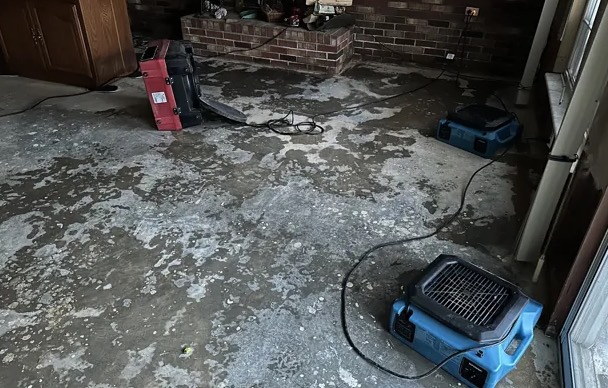
Help With Storm Damage in 98360
After a storm in Orting, the damage you see outside, like missing shingles or a broken window, is often smaller than the water damage inside.
Storm damage restoration is available in Orting and nearby Prairie Ridge, Graham and Bonney Lake. The pros handle board-up, tarping, water extraction and drying after storms of any size.
Storm Damage Restoration Services in 98360
Storm Damage Water Extraction
After a storm, water is extracted room by room with pumps and extractors, starting with the areas where it is deepest.
Emergency Roof Tarping
Tarping keeps the attic and ceilings from getting wet again during the storms that often follow the first one.
Storm Flooded Basement Cleanup
When heavy rain overwhelms a sump or comes through window wells, the pros extract the water and dry the basement framing and finishes.
Wind-Driven Rain Drying
Wind-driven rain soaks the windward side of a house first. Drying focuses on those walls, the window sills and the carpet along them.
Wall Cavity Drying After Storms
Water that gets behind siding or stucco can soak insulation and the back of the drywall. The pros find it with meters and dry the cavity.
How to Tell a Storm Let Water Inside
Mud or Debris Indoors
Mud, leaves or glass inside the house mean storm water came in from outside and floors need cleaning as well as drying.
Musty Smell After Heavy Rain
A damp smell that was not there before the storm usually means wet insulation, carpet pad or wall cavities.
Dripping From Light Fixtures
Water coming through a light or fan means it has pooled above the ceiling. Turn off that circuit and keep people clear.
Wet Carpet Near Windows and Doors
Damp carpet or swollen flooring along exterior walls shows that rain was driven in around frames or under doors.
How Storm Damage Restoration Works in 98360
Step 1: Damage Walkthrough
The pros check every room, the attic and the outside of the house to see where water got in and how far it spread.
Step 2: Cover the Openings
Tarps and plywood go over damaged roof sections, windows and doors before extraction starts.
Step 3: Remove Soaked Materials
Carpet pad, insulation and drywall that are too wet to dry in place are cut out and bagged.
Step 4: Document for the Claim
Photos, moisture readings and a list of removed materials are put together for you to share with your insurer.
How Storms Let Water Into 98360 Homes
Hail Impact
Hail cracks shingles, skylights and vent caps, opening small gaps that leak during the storms that follow.
Fallen Trees and Limbs
Branches and trees that fall on a house can open the roof or break windows, letting rain straight in.
Flash Flooding
Sudden heavy rain can send water across yards and under doors faster than drains and gutters can carry it away.
Wind-Driven Rain
Strong winds push rain sideways into window frames, vents and siding joints that keep out normal rain.
Storm Damage Restoration for Homes and Businesses in 98360
Residential Storm Damage Restoration
For homeowners, the first job after a storm is stopping more water from getting in. Board-up and tarping come first, then extraction and drying.
Commercial Storm Damage Restoration
Property managers get moisture readings and photos for each affected unit or suite, which helps when several tenants and insurers are involved.
When Storm Damage Is Too Big for DIY
Take photos and video of damage inside and outside, including broken windows and the roof, before anything is moved. Your insurer will ask for them.
What Storm Damage Restoration Costs in 98360
Costs rise when water reaches the attic, walls and floors at once, because each level needs its own extraction and drying setup.
Basement Flooding
Pumping out a flooded basement and removing wet finishes adds equipment and labor to the job.
Debris Inside
Mud, glass, branches and wet insulation inside the house take time to clear and dispose of.
Water Source
Rain coming through a roof is cleaner than floodwater from outside. Dirty water means more cleaning and removal of porous materials.
Does Insurance Cover Storm Damage Restoration?
Some policies have a separate wind or hail deductible. Read yours or ask your agent so you know what to expect before work begins.
Why Storm Damage Needs Professional Drying in 98360
Homes and Businesses
The same steps apply to houses, condos, stores and offices, scaled to the size of the building and the damage.
Hidden Water Found
Moisture meters and thermal cameras find water in walls, attics and under flooring that is not visible after a storm.
Records for Your Claim
Photos, readings and a list of removed materials give your adjuster a clear picture of the storm damage inside the house.
Storm Water Inside Your 98360 Home Right Now?
Storm damage in Orting? Call (425) 386-5713 for emergency water extraction, removal of debris inside the home and drying, day or night.
Call Now (425) 386-5713Local Storm Damage Restoration Areas: 98360 and Beyond
Local storm damage restoration pros cover Orting and surrounding communities including Prairie Ridge, Graham and Bonney Lake for storm cleanup, board-up and drying.
Common Questions After Storm Damage
Do the pros repair roofs and windows?
They cover them with tarps and plywood so the inside can dry. Permanent roof, window and siding repairs are done by those trades.
What is storm damage restoration?
It is the work of securing a building after a storm, removing water and debris from inside and drying the structure. Roof, window and siding repairs are done by those trades.
How soon should storm cleanup start?
As soon as it is safe. Wet drywall, carpet and insulation can start to grow mold in 24 to 48 hours, and open roofs and windows let in more rain.
Is storm water dirty?
Rain coming through a roof is usually clean at first. Water that came in from outside across the ground is treated as dirty and needs cleaning as well as drying.
Do I need to leave my home during storm cleanup?
Usually not, unless the damage makes the home unsafe or power is out. Wet areas are closed off while equipment runs.