ZIP 98370 · Poulsbo, WA · Kitsap County
Storm Damage Restoration in 98370Emergency Roof Tarping & Debris Removal After Storm
Storm Damage Restoration for Poulsbo properties includes storm flooded basement cleanup, debris removal after storm and storm damage water extraction.
Answered 24/7
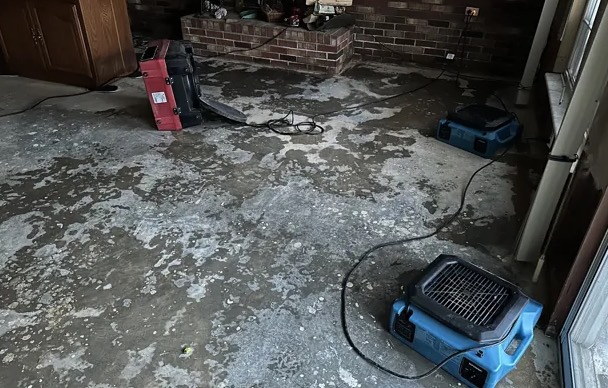
Help With Storm Damage in 98370
Storm water that comes in from outside carries dirt and debris. Floors and walls it touched are cleaned as well as dried.
Storm damage restoration is available in Poulsbo and nearby Silverdale, Bainbridge Island and Edmonds. The pros handle board-up, tarping, water extraction and drying after storms of any size.
What Storm Damage Restoration Covers in 98370
Emergency Roof Tarping
Torn or missing roof sections are covered with a heavy tarp so no more rain reaches the attic while the inside is dried.
Debris Removal After Storm
Storm debris inside a home is bagged and removed first. Floors and walls under it are then cleaned and checked for moisture.
Storm Damage Water Extraction
Rainwater that came in through a roof, window or door is removed from floors, carpet and the space under cabinets before it soaks into walls.
Storm Flooded Basement Cleanup
Storm water that floods a basement is pumped out, wet carpet and drywall are removed and the slab and walls are cleaned and dried.
Hail Damage Leak Cleanup
Hail can crack shingles, skylights and vent caps, and the next rain finds those cracks. The pros dry the attic and ceilings where the water got in.
Storm Damage Warning Signs in 98370
Missing or Lifted Shingles
Shingles on the lawn or lifted at the edges after a storm mean the roof deck is exposed to the next rain.
Dented Vents and Skylights
Hail dents on roof vents, skylight frames or flashing can leave gaps where water gets in during the next storm.
Bubbling Paint on Exterior Walls
Paint that bubbles on the inside of an exterior wall after a storm points to water that got behind the siding.
Mud or Debris Indoors
Mud, leaves or glass inside the house mean storm water came in from outside and floors need cleaning as well as drying.
How Storm Damage Restoration Works in 98370
Step 1: Safety Check
Power to wet areas is shut off and damaged ceilings or broken glass are marked so no one gets hurt during the work.
Step 2: Extract the Water
Standing water is pulled from floors and carpet, and water above ceilings is drained so it does not keep dripping.
Step 3: Wind-Driven Rain Drying
Exterior walls that took wind-driven rain are checked with meters and opened where needed so the cavities can dry.
Step 4: Final Readings
When walls, floors and framing read dry, equipment is removed and repairs to the roof, windows and drywall can go ahead.
What Causes Water Damage After Storms in 98370?
Roof Damage From Wind
High winds lift and tear shingles and flashing, exposing the roof deck to rain that soaks into the attic.
Overflowing Gutters
Heavy rain can overflow clogged or undersized gutters, sending water down walls and toward the foundation.
Power Outages
Storms that knock out power stop pumps and dehumidifiers, so water that gets in stays longer than it otherwise would.
Flying Debris
Outdoor furniture, signs and branches carried by wind can break glass and doors and let rain into the home.
Storm Damage Restoration for Homes and Businesses in 98370
Residential Storm Damage Restoration
For homeowners, the first job after a storm is stopping more water from getting in. Board-up and tarping come first, then extraction and drying.
Commercial Storm Damage Restoration
Property managers get moisture readings and photos for each affected unit or suite, which helps when several tenants and insurers are involved.
What You Can Do Safely After a Storm in 98370
A wet-dry vacuum can pick up small amounts of water from hard floors. Soaked carpet, walls and ceilings need extraction and drying equipment to dry fully.
Storm Damage Restoration Cost in 98370, WA
Repairs to the roof, windows and siding are separate from water removal. The pros price the board-up, extraction and drying inside the house.
Board-Up and Tarping
Covering broken windows, doors and roof openings adds materials and labor before drying can start.
Rooms Affected
Each wet room needs extraction, drying equipment and moisture checks, so the number of rooms sets much of the cost.
Debris Inside
Mud, glass, branches and wet insulation inside the house take time to clear and dispose of.
Does Insurance Cover Storm Damage Restoration?
Policies often expect you to take reasonable steps to prevent more damage, such as tarping and boarding up. Keep receipts for that work.
Why Call Local Specialists for Storm Damage Restoration in 98370
Openings Covered First
Board-up and tarping keep more rain out, so drying is not undone by the next storm.
24/7 Storm Help
Storms hit at night and on weekends. Help is available around the clock, so board-up and extraction can start once it is safe.
Dirty Water Handled Safely
Water that came in from outside is treated as dirty, with soaked porous materials removed and surfaces cleaned.
Emergency Storm Damage Cleanup in 98370
Do not wait for the next storm to deal with an open roof or broken window. Call (425) 386-5713 so the openings are covered and the inside can dry.
Call Now (425) 386-5713Storm Damage Restoration Near 98370: Areas Served
Homes in Poulsbo and nearby places such as Silverdale, Bainbridge Island and Edmonds can get help with board-up, tarping, water extraction and drying after storms.
Questions About Storm Damage Restoration
How soon should storm cleanup start?
As soon as it is safe. Wet drywall, carpet and insulation can start to grow mold in 24 to 48 hours, and open roofs and windows let in more rain.
Can storm damage lead to mold?
It can if materials stay wet for a day or two. Prompt extraction, removal of soaked insulation and measured drying keep that from happening.
Can wet carpet be saved after a storm?
Often, if it got wet from rain through a roof or window and is extracted and dried quickly. Carpet soaked by floodwater from outside is usually replaced.
What records will I get for my insurance claim?
Photos of the damage, daily moisture readings and a list of removed materials, which you can share with your adjuster.
Does insurance cover storm damage?
Many policies cover damage from wind and hail. Flooding from rising water outside usually needs a separate flood policy. Your insurer decides coverage.