ZIP 98421 · Tacoma, WA · Pierce County
Storm Damage Restoration in 98421Storm Damage Water Extraction & Debris Removal After Storm
Storm Damage Restoration for Tacoma homes covers storm flooded basement cleanup, wind-driven rain drying and emergency roof tarping.
Answered 24/7
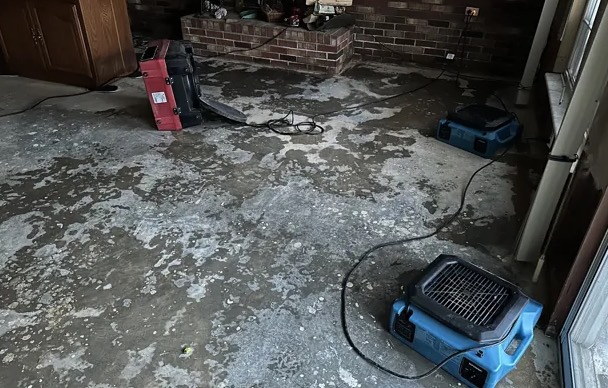
Storm Damage Restoration for 98421 Homes
Water from a storm can keep coming in after the rain stops, through a roof that is still open or a window that is still broken.
Storm damage restoration is available in Tacoma and nearby Fife, Fircrest and University Place. The pros handle board-up, tarping, water extraction and drying after storms of any size.
Storm Damage Restoration Work in 98421
Storm Damage Water Extraction
Storm water that came in from outside may carry dirt and debris, so floors are cleaned as well as extracted before drying begins.
Debris Removal After Storm
Storm debris inside a home is bagged and removed first. Floors and walls under it are then cleaned and checked for moisture.
Wind-Driven Rain Drying
Wind-driven rain soaks the windward side of a house first. Drying focuses on those walls, the window sills and the carpet along them.
Emergency Roof Tarping
Tarping keeps the attic and ceilings from getting wet again during the storms that often follow the first one.
Storm Flooded Basement Cleanup
Basement floodwater from outside is treated as contaminated, so soaked porous materials are removed and surfaces are disinfected.
When Storm Damage Needs Professional Cleanup
Broken Windows or Doors
Any broken glass or damaged door lets rain and wind in. The opening needs to be covered before drying can work.
Musty Smell After Heavy Rain
A damp smell that was not there before the storm usually means wet insulation, carpet pad or wall cavities.
Wet Attic Insulation
Damp or matted insulation in the attic after a storm means rain is getting past the roof deck.
Missing or Lifted Shingles
Shingles on the lawn or lifted at the edges after a storm mean the roof deck is exposed to the next rain.
How Storm Damage Restoration Works in 98421
Step 1: Damage Walkthrough
The pros check every room, the attic and the outside of the house to see where water got in and how far it spread.
Step 2: Cover the Openings
Tarps and plywood go over damaged roof sections, windows and doors before extraction starts.
Step 3: Remove Soaked Materials
Carpet pad, insulation and drywall that are too wet to dry in place are cut out and bagged.
Step 4: Document for the Claim
Photos, moisture readings and a list of removed materials are put together for you to share with your insurer.
Where Storm Water Gets Into a House
Flash Flooding
Sudden heavy rain can send water across yards and under doors faster than drains and gutters can carry it away.
Roof Damage From Wind
High winds lift and tear shingles and flashing, exposing the roof deck to rain that soaks into the attic.
Hail Impact
Hail cracks shingles, skylights and vent caps, opening small gaps that leak during the storms that follow.
Power Outages
Storms that knock out power stop pumps and dehumidifiers, so water that gets in stays longer than it otherwise would.
Storm Damage Restoration for Every Property in 98421, WA
Residential Storm Damage Restoration
In homes with finished basements, storm water can soak carpet, drywall and storage. The pros pump out the water, remove soaked finishes and dry the walls and slab.
Commercial Storm Damage Restoration
Commercial buildings with basement storage or mechanical rooms get pump-out, removal of wet materials and drying of the floor and walls.
DIY Limits After Storm Damage in 98421
Move furniture, electronics and rugs away from wet areas and out from under leaks. Set buckets under drips and lay towels to keep water from spreading.
What Drives Storm Damage Restoration Cost?
Board-up and tarping, debris removal, water extraction and drying are each priced separately, so the total depends on which ones your home needs.
Water Source
Rain coming through a roof is cleaner than floodwater from outside. Dirty water means more cleaning and removal of porous materials.
Board-Up and Tarping
Covering broken windows, doors and roof openings adds materials and labor before drying can start.
Debris Inside
Mud, glass, branches and wet insulation inside the house take time to clear and dispose of.
Does Insurance Cover Storm Damage Restoration?
Many homeowner policies cover water damage from wind and hail when the storm opens the roof or breaks windows. Flood water from outside usually needs a separate flood policy.
Why Professional Storm Damage Restoration Pays Off
Openings Covered First
Board-up and tarping keep more rain out, so drying is not undone by the next storm.
Notes for Other Trades
Roof, window and siding damage is noted with photos, so roofers and contractors know where water got in.
Records for Your Claim
Photos, readings and a list of removed materials give your adjuster a clear picture of the storm damage inside the house.
Emergency Storm Damage Help in 98421, WA
Storm damage in Tacoma? Call (425) 386-5713 for emergency water extraction, removal of debris inside the home and drying, day or night.
Call Now (425) 386-5713Storm Damage Restoration for 98421 and Nearby Communities
Storm damage restoration is available in Tacoma and nearby Fife, Fircrest and University Place, for homes and businesses.
Storm Damage Cleanup Questions Answered
Can wet carpet be saved after a storm?
Often, if it got wet from rain through a roof or window and is extracted and dried quickly. Carpet soaked by floodwater from outside is usually replaced.
Does insurance cover storm damage?
Many policies cover damage from wind and hail. Flooding from rising water outside usually needs a separate flood policy. Your insurer decides coverage.
How do the pros find water inside walls after a storm?
They use moisture meters and thermal cameras along exterior walls, under windows and in the attic to find water that is not visible.
How soon should storm cleanup start?
As soon as it is safe. Wet drywall, carpet and insulation can start to grow mold in 24 to 48 hours, and open roofs and windows let in more rain.
What records will I get for my insurance claim?
Photos of the damage, daily moisture readings and a list of removed materials, which you can share with your adjuster.