Sammamish, WA · King County
Storm Damage Restoration in Sammamish, WAStructural Drying Dehumidification & Post Storm Mold Prevention
Storm Damage Restoration in Sammamish includes emergency roof leak repair, wind damage window board up and storm flood water extraction.
Answered 24/7
Storm Damage Restoration Solutions for Sammamish Properties
In Sammamish, wind-damaged windows, siding and roofing keep letting water in with every rain until they are properly closed up.
In Sammamish and nearby Redmond, Issaquah and Carnation, local storm damage restoration pros handle everything from wind-driven rain to fallen trees, stabilizing the structure and starting the drying.
Storm Damage Restoration Services in Sammamish
Structural Drying Dehumidification
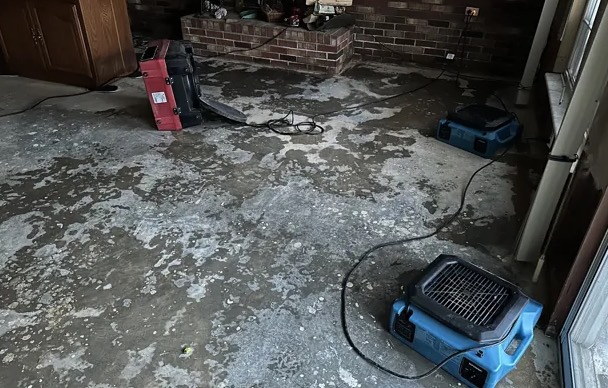
Drying zones are set up with industrial equipment and checked with meters, so no wet pockets are left in Sammamish properties.
Post Storm Mold Prevention
Once moisture readings confirm the framing and subfloor are dry, antimicrobials are applied to porous surfaces.
Storm Damage Debris Removal
Pros gather and haul away storm debris as part of the first response in Sammamish.
Exterior Siding Trim Repair
New siding and trim sections are installed with sealing and fastening that keeps the weather out.
Emergency Roof Leak Repair
When wind or debris punctures a roof, the first job is a waterproof cover over the hole. Then pros check for water that already got into the attic and walls.
Warning Signs You Need Storm Damage Restoration
Sagging or Wet Drywall
Drywall that feels soft, sags or has bubbling paint is soaked and needs drying or removal.
Gutters Overflowing or Detached
Gutters pulling away or spilling water point to roof damage or clogs that send water where it should not go.
Puddles in Basement or Crawlspace
Standing water in a basement or crawl space after heavy rain needs extraction before it damages the foundation or grows mold.
Roof Shingles Missing or Curled
Missing, curled or bare shingles leave the roof open to the next storm.
How Storm Damage Restoration Works in Sammamish
Step 1: Initial Property Inspection
Pros assess the storm damage, document every affected area and plan the work.
Step 2: Containment and Water Extraction
Local storm damage restoration pros contain the area and remove storm water with pumps and extractors.
Step 3: Comprehensive Structural Drying
Air movers and dehumidifiers dry the structure, with moisture checks until materials read dry.
Step 4: Reconstruction and Final Cleaning
Damaged areas are rebuilt, siding and trim are repaired and the property is cleaned.
Frequent Storm Damage Triggers for Sammamish
Pressure Differential Wind Damage
Strong winds create pressure differences that can lift roofs and blow out windows.
Heavy Rain and Roof Leaks
Heavy downpours overwhelm roofs and flashing and push water into attics and ceilings.
Driving Rain Through Openings
Wind-driven rain gets in around damaged windows, doors and vents and soaks insulation and drywall.
Flooding From Rising Ground Water
Rising groundwater or overwhelmed drainage can flood basements and crawl spaces during heavy storms.
Both Residential and Commercial Storm Damage Restoration in Sammamish
Residential Storm Damage Restoration
At home, pros board up windows, extract water from carpets and dry the structure, from attic leaks to flooded basements.
Commercial Storm Damage Restoration
In offices and stores, pros extract water across large floors, dry inventory areas and treat surfaces to prevent mold.
Storm Damage Restoration: What to Handle Yourself and What to Leave to Pros
Note any loose siding or trim for your insurance report, but do not repair it yourself; a bad fix can trap moisture in the wall.
Cost Considerations for Storm Damage Restoration in Sammamish
Hard-to-reach damage, such as roof decking or wall cavities, and longer projects cost more to repair and dry.
Required Restoration Services
A board-up alone costs far less than full water extraction, drying and structural repair.
Post-Restoration Treatments
Antimicrobial treatment after drying adds a small amount to the total but helps prevent mold.
Property Size and Layout
Larger homes and complex commercial buildings have more to dry and repair.
Does Insurance Cover Storm Damage Restoration?
Your insurer decides based on the wording of your policy. Pros provide damage assessments, photos and moisture data to support the claim you file.
Why Local Help Matters for Storm Damage Restoration in Sammamish
Comprehensive Damage Assessment
The assessment covers visible damage and the spots where water may get in next time.
Methodical Repair Planning
Siding, trim and drywall repairs are planned after the structure is dry.
Thorough Debris and Material Removal
Wet drywall, insulation and storm debris are removed so repairs start on clean, dry surfaces.
Round-the-Clock Storm Damage Restoration for Sammamish
For 24/7 storm damage cleanup in Sammamish, call (425) 386-5713 right away. Drying started early helps prevent rot and mold in walls and floors later.
Call Now (425) 386-5713Sammamish and Vicinity Storm Damage Restoration
In Sammamish, and areas including Redmond, Issaquah and Carnation, storm damage restoration covers wind damage, water extraction and structural drying.
Storm Damage Restoration FAQ for Sammamish Property Owners
What is involved in wind damage window board up?
Plywood or other boards are fastened over broken windows or doors to keep the building secure and dry until repairs.
What is the first step after storm water intrusion?
Remove standing water, and board up any broken windows or roof openings so no more comes in.
Why document damage for insurance before cleaning?
Photos and readings taken before cleanup show where the loss started and how far it reached, which your insurer will ask about.
How soon should Storm Damage Restoration begin after a storm?
As soon as it is safe. Getting water out and openings covered within 24 to 48 hours makes a large difference.
How is the need for drywall removal determined?
Moisture probes and a visual check. Swollen, soft or contaminated drywall is usually replaced.
Related Services in Sammamish
- Debris Removal after Storms
- Disaster Recovery Planning
- Disaster Response & Recovery Services
- Emergency Storm Cleanup Services
- Emergency Tarping
- Hail Damage Restoration
- Hurricane Response Services
- Ice Dam Removal & Repair
- Lightning Strike Damage Repair
- Sandbagging Flood Barrier Installation
- Snow and Ice Storm Damage Cleanup
- Temporary Fencing Installation
- Temporary Power and Climate Control
- Tornado Damage Cleanup
- Tree Removal from Structures
- Wind Damage Repair