Edgewood, WA · Pierce County
Temperature-Controlled Drying in Edgewood, WARapid Structural Drying Services & Climate-Controlled Drying Systems
Local temperature-controlled drying specialists provide Temperature-Controlled Drying in Edgewood, featuring drying equipment deployment, water damage drying logs, and moisture mapping for precise water damage recovery.
Answered 24/7
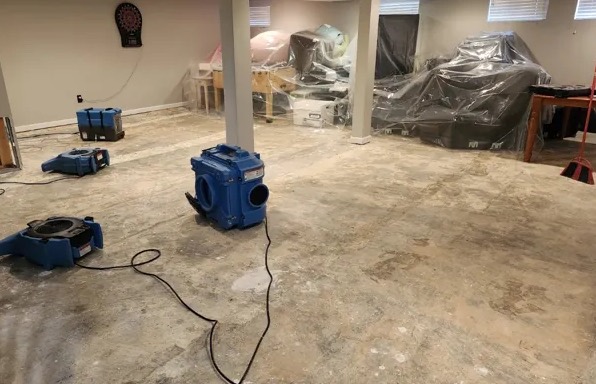
Local Temperature-Controlled Drying Solutions for Edgewood Homes
In Edgewood, moisture that dries unevenly can warp materials and leave hidden mold. Local pros control heat and airflow so drying is even and does not cause more damage.
In Edgewood and nearby Milton, Pacific and Sumner, local pros take baseline moisture readings, then run air movers and dehumidifiers and log moisture levels as they drop.
Temperature-Controlled Drying Methods Available in Edgewood
Rapid Structural Drying Services
Local temperature-controlled drying specialists aim air movers at wet studs, joists and subfloors to dry the structure safely.
Climate-Controlled Drying Systems
For complex jobs, the specialists use industrial equipment to keep humid air from re-wetting materials, so walls dry all the way through.
Drying Equipment Deployment
The specialists set up LGR dehumidifiers, axial fans and cavity drying systems to work together on the wet structure.
Moisture Mapping
Moisture mapping uses penetrating and non-penetrating meters to document water migration. This creates a blueprint of wet areas, including hidden moisture behind walls.
Air Mover Placement for Drying
Expert deployment of air movers displaces the saturated air layer clinging to wet materials. Proper placement helps ensure every surface receives directed airflow, the engine of evaporation.
When to Call for Temperature-Controlled Drying in Edgewood, WA
Visible Mold Growth in Corners
Black, green or white specks in damp corners or on baseboards are usually mold, which means moisture has been there a while.
Discoloration on Drywall or Ceilings
Yellow or brown water stains appear on surfaces that seem dry. These stains suggest moisture is still present inside the wall cavity.
Damp Odors Persisting After Water
A musty smell lingers even after visible water is gone, indicating hidden moisture. That odor often signals mold or trapped dampness.
Soft Drywall or Sagging Ceiling
Drywall feels spongy to the touch or a ceiling sags downward. This softness means the material is saturated and structurally compromised.
How Temperature-Controlled Drying Works in Edgewood
Step 1: Establishing the Drying Environment
The first step involves preparing the area by removing debris and setting up containment if needed.
Step 2: Implementing the Drying Array
Air movers and dehumidifiers are paired in a planned layout to dry walls and floors.
Step 3: Executing Temperature-Controlled Drying
The system executes temperature-controlled drying, maintaining ideal conditions to draw moisture out of materials.
Step 4: Final Verification and Documentation
Final verification compares moisture readings in affected materials to known dry standards in the home.
Causes of Persistent Dampness Requiring Controlled Drying in Edgewood
Undetected Plumbing Leaks
A slow drip behind a wall or under a slab saturates materials over time.
Overflowing Sinks or Bathtubs
A simple blockage or forgetfulness leads to an overflow event. Water spreads quickly, soaking cabinetry and flooring, and requires thorough drying equipment deployment.
Appliance Malfunction or Overflow
A failed washing machine hose, water heater or dishwasher can release many gallons onto the floor.
Poor Ventilation After a Flood
Closing up a wet room traps humid air, which slows drying and lets moisture soak further into materials.
Whole-Property Temperature-Controlled Drying in Edgewood
Residential Temperature-Controlled Drying
At home, the pros dry wall cavities, subfloors and belongings with air movers and dehumidifiers, and keep drying logs for your insurance review.
Commercial Temperature-Controlled Drying
For businesses, rapid drying minimizes downtime and protects inventory, equipment, and building integrity. Large-scale drying systems are implemented to address moisture in offices, retail spaces, and warehouses.
Temperature-Controlled Drying vs. DIY Drying in Edgewood
Photograph all affected areas and items for insurance and move undamaged belongings to a dry room. Drying the structure takes industrial equipment that DIY gear cannot replace.
Factors in Temperature-Controlled Drying Pricing for Edgewood, WA
In Edgewood, the price depends on the square footage, how long drying runs and which drying systems are used.
Equipment Needs
The number and type of air movers, dehumidifiers and heaters used affect the cost.
Structural Material Types
Porous materials like concrete or dense wood require more aggressive drying strategies and extended monitoring, influencing the project timeline and cost.
Drying Time Required
Longer drying periods for climate-controlled systems mean more equipment runtime and monitoring, impacting the overall cost of the restoration project.
Does Insurance Cover Temperature-Controlled Drying?
The specialists in Edgewood provide thorough documentation including moisture mapping data to support a homeowner's claim. Coverage decisions belong to the insurer, so property owners should confirm with their provider.
Why Choose Local Specialists for Temperature-Controlled Drying in Edgewood
Humidity Control for Restoration
Keeping the air dry draws moisture out of materials until the space is stable.
Strategic Equipment Deployment
Air movers and dehumidifiers are placed according to a plan for even airflow and low humidity.
Ongoing Moisture Monitoring
Regular checks with moisture meters verify that drying goals are met, helping ensure no residual dampness remains within walls or floors.
24/7 Temperature-Controlled Drying for Emergencies in Edgewood
Water damage gets worse quickly as moisture spreads into materials. Call (425) 386-5713 24 hours a day to start drying in Edgewood.
Call Now (425) 386-5713Temperature-Controlled Drying Serving Edgewood and Nearby Areas
Temperature-controlled drying is available for homes and businesses in Edgewood and nearby areas like Milton, Pacific and Sumner.
- Temperature-Controlled Drying in Milton
- Temperature-Controlled Drying in Pacific
- Temperature-Controlled Drying in Sumner
- Temperature-Controlled Drying in Puyallup
- Temperature-Controlled Drying in Fife
- Temperature-Controlled Drying in Federal Way
- Temperature-Controlled Drying in Auburn
- Temperature-Controlled Drying in Tacoma
Your Temperature-Controlled Drying Questions Addressed
When is climate-controlled drying necessary versus regular drying?
Climate-controlled drying is necessary for severe losses, sensitive materials, or when precise environmental control is needed to prevent damage, unlike simple air drying for minor spills.
Can rapid drying technology dry a property too quickly?
Yes, excessive heat or airflow can cause surface crusting, cracking, or other material stress, which is why professional drying balances speed with material-specific safety limits.
What is the strategy behind air mover placement?
They are angled to move air across wet surfaces in a pattern, so moisture evaporates into the air where dehumidifiers can capture it.
What should a property owner do while waiting for help with drying?
If safe, remove obvious standing water with a mop or towels, move dry contents away from the wet area, and avoid using household fans which can spread contaminants.
How is drying progress verified during moisture monitoring?
Progress is verified by taking comparative moisture readings with penetrating and non-penetrating meters over time, ensuring levels drop to established dry standards for each material.