Bainbridge Island, WA · Kitsap County
Tile Floor Water Damage Restoration in Bainbridge Island, WATile Floor Drying Services & Wet Tile Floor Cleanup
Tile floor water extraction, wet tile floor cleanup, and tile floor mold prevention are part of Tile Floor Water Damage Restoration for moisture issues in Bainbridge Island.
Answered 24/7
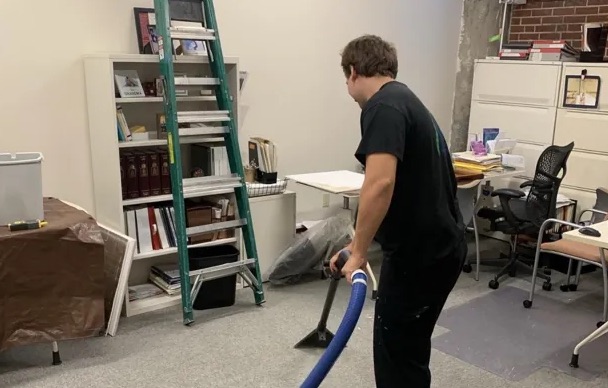
Tile Floor Water Damage Restoration Experts Serving Bainbridge Island, Washington
In properties across Bainbridge Island, tile floors are common in kitchens and bathrooms where leaks occur. Wet tile floor cleanup must be thorough to avoid lingering dampness, odor, and the deterioration of the subfloor materials.
Across Bainbridge Island and nearby places like Silverdale, Poulsbo and Seattle (West/South), water damaged tile floors need expert care to restore their appearance and function. The tile floor water damage cost can escalate if moisture isn't fully removed.
The Tile Floor Water Damage Restoration Process in Bainbridge Island
Tile Floor Drying Services
Following water removal, air movers and dehumidifiers are deployed. This drying phase addresses moisture held in grout and underlayment materials.
Wet Tile Floor Cleanup
The cleanup phase addresses both visible soiling and microscopic contamination. Experts scrub and disinfect the tile surface, paying close attention to porous grout.
Tile Floor Moisture Inspection
Inspection confirms when drying is complete and no hidden risks remain. Restoration professionals take precise moisture readings across the affected area to establish a baseline.
Tile Floor Water Damage Repair
Not every water-damaged tile needs replacing. Pros can often repair the grout and re-secure loose tiles, which saves time and money.
Flooded Tile Floor Restoration
Restoring a flooded tile floor involves addressing both surface and subsurface damage. Specialists work methodically to mitigate loss, dry all materials, and execute necessary repairs.
Warning Signs You Need Tile Floor Water Damage Restoration
Baseboards Swelling Nearby
Swollen or discolored baseboards adjacent to a tile floor often trace water migration from underneath. This is a secondary indicator of a serious moisture problem.
Visible Water Pooling
Water that keeps reappearing on a tile floor after you wipe it up points to water trapped below.
Grout Crumbling Away
Grout that cracks, crumbles or falls out between tiles often means water is getting underneath.
A Musty Odor Persists
A persistent earthy or musty smell from your tile floor suggests hidden moisture and potential mold growth underneath. This odor calls for a tile floor moisture inspection.
How Tile Floor Water Damage Restoration Works in Bainbridge Island
Step 1: Initial Damage Assessment
The Tile Floor Water Damage Restoration process starts with a detailed assessment to determine the source, extent, and category of water affecting the tile floor and subfloor.
Step 2: Water Removal and Cleanup
All standing water is extracted, followed by wet tile floor cleanup of debris and contaminants.
Step 3: Structural Drying Phase
Specialized drying equipment creates airflow and controls humidity to methodically remove moisture from the tile installation system and prevent warping.
Step 4: Verification and Final Repair
Final moisture readings verify dryness. Any compromised tiles are then addressed with matching replacements, completing the flooded tile floor restoration.
Sources of Water Damage for Tile Floor Water Damage Restoration
Slab Foundation Moisture Wicking
In homes on slab foundations, ground moisture can wick up through the concrete and into the tile installation, causing persistent tile floor moisture issues.
Natural Flooding Events
Heavy rain or flash floods can push water into a home and across tiled floors.
Window or Door Seal Failure
Failed seals around windows or exterior doors let rain in to pool on interior tile floors.
HVAC Condensation Issues
A malfunctioning air conditioner or uninsulated condensation drain line can drip constant moisture onto a tile floor, creating a hidden, chronic dampness issue.
Tile Floor Water Damage Restoration for Homes and Businesses in Bainbridge Island
Residential Tile Floor Water Damage Restoration
In homes, water is removed from tile gently so tiles do not crack. The pros then dry the floor and subfloor to save the tile.
Commercial Tile Floor Water Damage Restoration
In commercial spaces with large tiled areas, pros set up many air movers and dehumidifiers to dry the floor so the business can reopen.
The Risks of DIY Tile Floor Water Damage Restoration
After a minor spill, open windows and run fans to dry the tile surface. Moisture in the grout and subfloor needs the pros with industrial dehumidifiers.
Understanding Tile Floor Water Damage Restoration Costs in Bainbridge Island
Price depends on the drying time, how hard the water is to extract and the size of the affected area.
Subfloor Condition
Removing water under tile flooring and assessing the subfloor for damage can add steps to the repair process.
Water Source Category
Clean water from a supply line is simpler to address than contaminated flood water, affecting the tile floor cleanup process.
Drying Time Required
Prolonged tile floor drying services to reach safe moisture levels add to operational hours and the overall service cost.
Does Insurance Cover Tile Floor Water Damage Restoration?
Flooded tile floor restoration might be covered under certain policy endorsements or separate flood insurance. The experts document all moisture inspection findings.
The Value of Local Pros for Tile Floor Water Damage Restoration
Complete Restoration Scope
Services encompass everything from flooded tile floor restoration to final cleanup for a restored living space.
Structural Integrity Consideration
The subfloor is checked before tile repairs, so new tile goes down on a sound base.
Clear Process Communication
You receive straightforward explanations of each step, from initial assessment through the final moisture verification.
Emergency Tile Floor Water Damage Restoration Response for Bainbridge Island
Tile floor moisture issues can escalate quickly if not addressed. For 24/7 emergency tile floor water damage repair, homeowners in Bainbridge Island should dial (425) 386-5713.
Call Now (425) 386-5713Tile Floor Water Damage Restoration Near Bainbridge Island: Areas Served
Tile floor moisture inspection and mold prevention are available in Bainbridge Island and nearby locations like Silverdale, Poulsbo and Seattle (West/South).
- Tile Floor Water Damage Restoration in Silverdale
- Tile Floor Water Damage Restoration in Poulsbo
- Tile Floor Water Damage Restoration in Seattle (West/South)
- Tile Floor Water Damage Restoration in Port Orchard
- Tile Floor Water Damage Restoration in Shoreline
- Tile Floor Water Damage Restoration in Lake Forest Park
- Tile Floor Water Damage Restoration in Medina
- Tile Floor Water Damage Restoration in Mountlake Terrace
- Emergency Damage Restoration in 98110
- Storm Damage Restoration in 98110
- Water Damage Restoration in 98110
- Water Extraction Service in 98110
- Water Leak Detection in 98110
- Water Removal Service in 98110
Frequently Asked Questions About Tile Floor Water Damage Restoration
What is tile floor water damage restoration?
It is the professional process of extracting water, thoroughly drying the tile and subfloor, and repairing damage to restore your floor after a water incident.
Does tile floor mold prevention require special chemicals?
As part of a complete drying protocol, the pros may apply EPA-registered antimicrobial solutions during the cleaning phase to inhibit mold on the affected surfaces.
What tools are used for tile floor water damage inspection?
Inspections utilize tools like moisture meters, hygrometers, thermal imaging cameras, and sometimes borescopes to accurately assess both visible and concealed water damage within the flooring assembly.
What causes tile floor moisture issues?
Common causes include appliance leaks like from dishwashers, plumbing failures such as burst pipes, overflow incidents from sinks or tubs, or groundwater intrusion through cracks in the foundation.
How do pros find water under tile flooring?
Non-penetrating moisture meters detect elevated moisture levels without damaging the tile, while thermal imaging cameras can reveal temperature differences that often indicate trapped water below.