Des Moines, WA · King County
Tile Floor Water Damage Restoration in Des Moines, WATile Floor Water Damage Repair & Tile Floor Drying Services
Tile Floor Water Damage Restoration in Des Moines starts with tile floor water extraction, wet tile floor cleanup, and tile floor water damage repair.
Answered 24/7
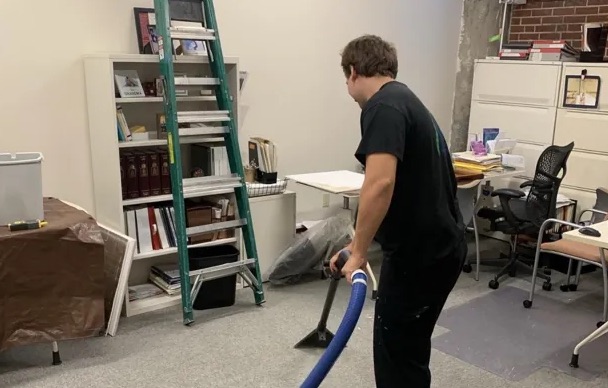
Tile Floor Water Damage Restoration Response in Des Moines, WA
In properties across Des Moines, tile floors are common in kitchens and bathrooms where leaks occur. Wet tile floor cleanup must be thorough to avoid lingering dampness, odor, and the deterioration of the subfloor materials.
Across Des Moines and nearby places like Normandy Park, SeaTac and Kent, water damaged tile floors need expert care to restore their appearance and function. The tile floor water damage cost can escalate if moisture isn't fully removed.
The Tile Floor Water Damage Restoration Process in Des Moines
Tile Floor Water Damage Repair
Not every water-damaged tile needs replacing. Pros can often repair the grout and re-secure loose tiles, which saves time and money.
Tile Floor Drying Services
Moisture meters track the drying progress beneath the tile surface. Monitoring continues until the floor assembly reaches appropriate dryness levels.
Tile Floor Mold Prevention
Pros sanitize the tile and grout and dry the area fully, so a leak today does not turn into a mold problem later.
Flooded Tile Floor Restoration
Major flooding requires a systematic restoration approach. Pros follow established protocols to manage water removal, structural drying, and content protection.
Wet Tile Floor Cleanup
Flood water can leave behind dirt, bacteria, and other pollutants on your tile floor. Professionals perform a detailed cleanup using appropriate antimicrobial agents and cleaning solutions.
Common Signs Requiring Tile Floor Water Damage Restoration
Visible Water Pooling
Water that keeps reappearing on a tile floor after you wipe it up points to water trapped below.
A Musty Odor Persists
A persistent earthy or musty smell from your tile floor suggests hidden moisture and potential mold growth underneath. This odor calls for a tile floor moisture inspection.
Warping or Buckling Sections
Tiles that lift, warp or buckle usually sit on a soaked subfloor.
Tiles Are Loose or Shifting
Tiles that rock underfoot or come loose have lost their bond, usually because water got under them.
How Tile Floor Water Damage Restoration Works in Des Moines
Step 1: Containment and Extraction
To prevent cross-contamination, the work area is isolated. Then, focused tile floor water extraction removes all liquid water from the surface and crevices.
Step 2: Deep Moisture Detection
Pros use moisture sensors to find water under the tile that you cannot see.
Step 3: Targeted Drying Strategy
Air movers and dehumidifiers are set up in a layout planned for the affected floor.
Step 4: Antimicrobial Application
To support tile floor mold prevention, EPA-registered antimicrobial agents are applied to the subfloor and grout lines where moisture was present.
What Leads to Tile Floor Water Damage Restoration Needs
Natural Flooding Events
Heavy rain or flash floods can push water into a home and across tiled floors.
Pet Water Bowl Spills
Repeated spills from a pet's water bowl, especially on unsealed tile or grout, can allow water to penetrate and cause localized tile floor water damage.
Improper Initial Tile Installation
Tile installed without a proper moisture barrier or waterproof underlayment is vulnerable to water intrusion from above, leading to premature failure.
Window or Door Seal Failure
Failed seals around windows or exterior doors let rain in to pool on interior tile floors.
Residential and Commercial Tile Floor Water Damage Restoration in Des Moines
Residential Tile Floor Water Damage Restoration
At home, pros decide whether tiles can be saved or must be replaced, and blend new tile and grout with the old.
Commercial Tile Floor Water Damage Restoration
In commercial settings, tile floor mold prevention is critical after a water event to protect employee and customer health. Local tile floor water damage pros follow industry-standard methods for antimicrobial treatment and ensure the subsurface is fully dry to prevent future mold in the business property.
Tile Floor Water Damage Restoration vs. DIY: When to Call Local Pros
Clean the tile with a mild detergent and avoid harsh chemicals that can damage grout. If you notice a musty odor or mold on grout, stop and call pros.
Cost Considerations for Tile Floor Water Damage Restoration in Des Moines
Cost depends on how much water is under the tile, whether mold prevention is needed and whether the subfloor needs repair.
Access and Obstructions
Furniture removal and confined spaces can extend the timeline for tile floor water extraction and impact pricing.
Subfloor Condition
Removing water under tile flooring and assessing the subfloor for damage can add steps to the repair process.
Drying Time Required
Prolonged tile floor drying services to reach safe moisture levels add to operational hours and the overall service cost.
Does Insurance Cover Tile Floor Water Damage Restoration?
Flooded tile floor restoration might be covered under certain policy endorsements or separate flood insurance. The experts document all moisture inspection findings.
Advantages of Hiring Tile Floor Water Damage Pros in Des Moines
Structural Integrity Consideration
The subfloor is checked before tile repairs, so new tile goes down on a sound base.
Thorough Water Extraction
Powerful equipment removes standing water and moisture from grout lines during the wet tile floor cleanup phase.
Complete Restoration Scope
Services encompass everything from flooded tile floor restoration to final cleanup for a restored living space.
24/7 Emergency Tile Floor Water Damage Restoration in Des Moines
Water damaged tile floors require prompt action. Contact (425) 386-5713 for 24/7 emergency service. The experts can begin the mitigation process to control the situation.
Call Now (425) 386-5713Tile Floor Water Damage Restoration Near Des Moines: Areas Served
The pros serve Des Moines and nearby areas like Normandy Park, SeaTac and Kent for tile floor water extraction and drying.
- Tile Floor Water Damage Restoration in Normandy Park
- Tile Floor Water Damage Restoration in SeaTac
- Tile Floor Water Damage Restoration in Kent
- Tile Floor Water Damage Restoration in Tukwila
- Tile Floor Water Damage Restoration in Burien
- Tile Floor Water Damage Restoration in Federal Way
- Tile Floor Water Damage Restoration in Auburn
- Tile Floor Water Damage Restoration in Seattle (West/South)
- Emergency Damage Restoration in 98198
- Storm Damage Restoration in 98198
- Water Damage Restoration in 98198
- Water Extraction Service in 98198
- Water Leak Detection in 98198
- Water Removal Service in 98198
Tile Floor Water Damage Restoration FAQ for Des Moines Residents
Why is wet tile floor cleanup time-sensitive?
Early action limits further water migration, prevents subfloor swelling and tile delamination, and significantly reduces the opportunity for mold growth to begin in the damp materials.
What is tile floor mold prevention after water damage?
It involves rapid drying to remove the moisture mold needs, along with applying EPA-registered antimicrobials to affected areas during restoration.
What tools are used for tile floor water damage inspection?
Inspections utilize tools like moisture meters, hygrometers, thermal imaging cameras, and sometimes borescopes to accurately assess both visible and concealed water damage within the flooring assembly.
Why is quick action critical for tile floor water damage?
A start to extraction and drying minimizes absorption, limits damage to the subfloor, and drastically reduces the risk of mold development.
What are tile floor drying services?
These services use industrial air movers and dehumidifiers in a calculated layout to evaporate and remove moisture from the tile assembly.