Everett, WA · Snohomish County
Tile Floor Water Damage Restoration in Everett, WATile Floor Moisture Inspection & Water Under Tile Flooring Removal
Tile Floor Water Damage Restoration in Everett starts with tile floor water extraction, wet tile floor cleanup, and tile floor water damage repair.
Answered 24/7
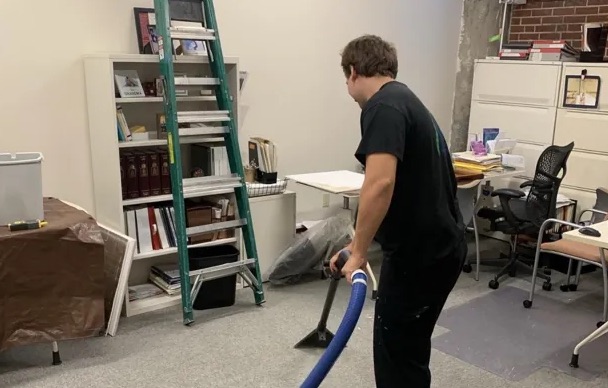
Tile Floor Water Damage Restoration Response in Everett, WA
Tile floor water damage in Everett demands a response that considers both the visible tile and the hidden layers. Delays can increase the tile floor water damage cost significantly due to expanded repairs.
Tile floor water damage restoration is a common need for properties in Everett and nearby areas like Mukilteo, Marysville and Eastmont. Water leaks or spills can quickly affect tile surfaces and the underlying structure.
Tile Floor Water Damage Restoration Services in Everett
Tile Floor Moisture Inspection
Hidden moisture is the primary enemy of tile floors. Experts conduct a systematic inspection to detect water in the subfloor and behind walls adjacent to the wet tile.
Water Under Tile Flooring Removal
Water trapped under tile rots the subfloor in Everett homes. Pros reach it through grout lines or by lifting a few tiles.
Tile Floor Water Damage Repair
Water can loosen tile adhesive and make tiles lift. Pros check each tile and re-set or replace the ones that have come loose.
Wet Tile Floor Cleanup
The cleanup phase addresses both visible soiling and microscopic contamination. Experts scrub and disinfect the tile surface, paying close attention to porous grout.
Flooded Tile Floor Restoration
When a flood covers tile floors in Everett, local pros extract the water, dry, clean and disinfect the floor, then repair what was damaged.
Signs of Water Damage Needing Tile Floor Water Damage Restoration
Squeaking Sounds When Walking
Squeaks or creaks from a tile floor when walked upon can mean the underlayment is compromised by water. This is a subtle sign of water damage.
Baseboards Swelling Nearby
Swollen or discolored baseboards adjacent to a tile floor often trace water migration from underneath. This is a secondary indicator of a serious moisture problem.
Mold Spots on Grout Lines
Black, green or gray specks along grout lines are mold, which means moisture is staying in the floor.
A Musty Odor Persists
A persistent earthy or musty smell from your tile floor suggests hidden moisture and potential mold growth underneath. This odor calls for a tile floor moisture inspection.
How Tile Floor Water Damage Restoration Works in Everett
Step 1: Containment and Extraction
To prevent cross-contamination, the work area is isolated. Then, focused tile floor water extraction removes all liquid water from the surface and crevices.
Step 2: Deep Moisture Detection
Pros use moisture sensors to find water under the tile that you cannot see.
Step 3: Targeted Drying Strategy
Air movers and dehumidifiers are set up in a layout planned for the affected floor.
Step 4: Antimicrobial Application
To support tile floor mold prevention, EPA-registered antimicrobial agents are applied to the subfloor and grout lines where moisture was present.
Common Causes of Water Damage to Tile Floors in Everett
Appliance Leaks and Malfunctions
Dishwashers, washing machines, water heaters, and refrigerators with ice makers can leak slowly, saturating the subfloor beneath adjacent tile flooring over time.
Natural Flooding Events
Heavy rain or flash floods can push water into a home and across tiled floors.
Window or Door Seal Failure
Failed seals around windows or exterior doors let rain in to pool on interior tile floors.
Improper Initial Tile Installation
Tile installed without a proper moisture barrier or waterproof underlayment is vulnerable to water intrusion from above, leading to premature failure.
Home and Business Tile Floor Water Damage Restoration in Everett
Residential Tile Floor Water Damage Restoration
Homeowners face tile floor water damage from appliance leaks, toilet overflows, and plumbing failures. The restoration process involves careful tile floor moisture inspection to map the damage, followed by targeted drying to save the installation.
Commercial Tile Floor Water Damage Restoration
Restaurants, gyms and clinics need tile floors dried quickly. Local water damage restoration pros use commercial equipment to pull moisture from under the tile so the space can reopen.
Calling Local Pros vs. DIY Tile Floor Water Damage Repair
After a leak is stopped, moving furniture and rugs off the wet tile floor helps prevent staining and allows better air exposure. Do not attempt to remove or re-adhere loose tiles yourself, as this can worsen the damage.
Cost Considerations for Tile Floor Water Damage Restoration in Everett
Expenses for wet tile floor cleanup are shaped by the type and quantity of drying equipment needed, the duration of the drying process, and whether any ancillary structural repairs are necessary.
Extent of Damage
The square footage of water damaged tile floors and depth of saturation directly influence the restoration scope and cost.
Water Source Category
Clean water from a supply line is simpler to address than contaminated flood water, affecting the tile floor cleanup process.
Tile and Grout Type
Specialized materials like porous stone or intricate grout can complicate the tile floor water damage repair procedure.
Does Insurance Cover Tile Floor Water Damage Restoration?
Your homeowners insurance may cover tile floor water damage if the cause is a sudden, accidental event like a burst pipe. Local water damage pros create detailed reports for your insurer.
Reasons to Hire Local Pros for Tile Floor Water Damage Restoration in Everett
Detailed Damage Documentation
Pros document the tile floor water damage inspection with readings and photos for your personal records.
IICRC-Standard Methods
The pros use industry-standard procedures for tile floor water extraction and drying to promote effective damage control.
24/7 Emergency Response
Help is available any time to begin the tile floor water damage process and limit secondary issues.
24-Hour Emergency Tile Floor Water Damage Restoration in Everett
Discovering water under tile flooring is an urgent matter. Call (425) 386-5713 for assistance. The pros can respond day or night to inspect and extract.
Call Now (425) 386-5713Tile Floor Water Damage Restoration Near Everett: Areas Served
The pros serve Everett and nearby areas like Mukilteo, Marysville and Eastmont for tile floor water extraction and drying.
- Tile Floor Water Damage Restoration in Mukilteo
- Tile Floor Water Damage Restoration in Marysville
- Tile Floor Water Damage Restoration in Eastmont
- Tile Floor Water Damage Restoration in Snohomish
- Tile Floor Water Damage Restoration in Lake Stevens
- Tile Floor Water Damage Restoration in Martha Lake
- Tile Floor Water Damage Restoration in Mill Creek
- Tile Floor Water Damage Restoration in Picnic Point
- Emergency Damage Restoration in 98201
- Storm Damage Restoration in 98201
- Water Damage Restoration in 98201
- Water Extraction Service in 98201
- Water Leak Detection in 98201
- Water Removal Service in 98201
- Emergency Damage Restoration in 98203
- Storm Damage Restoration in 98203
Tile Floor Water Damage Restoration FAQs
How do pros find water under tile flooring?
Non-penetrating moisture meters detect elevated moisture levels without damaging the tile, while thermal imaging cameras can reveal temperature differences that often indicate trapped water below.
What tools are used for tile floor water damage inspection?
Inspections utilize tools like moisture meters, hygrometers, thermal imaging cameras, and sometimes borescopes to accurately assess both visible and concealed water damage within the flooring assembly.
How is water under tile flooring removed?
To remove water under tile flooring, strategic access points may be created or specialized systems used to direct airflow and dehumidification beneath the tile surface for effective drying.
What is flooded tile floor restoration?
It covers extraction, structural drying, sanitizing and any repairs to the tile and the floor beneath it after a major water event.
Can water damaged tile floors be saved?
Often yes, if extraction and drying begin quickly. The salvageability depends on the water type, duration of exposure, and the tile material.