Lacey, WA · Thurston County
Tile Floor Water Damage Restoration in Lacey, WATile Floor Water Extraction & Flooded Tile Floor Restoration
Tile Floor Water Damage Restoration in Lacey starts with tile floor water extraction, wet tile floor cleanup, and tile floor water damage repair.
Answered 24/7
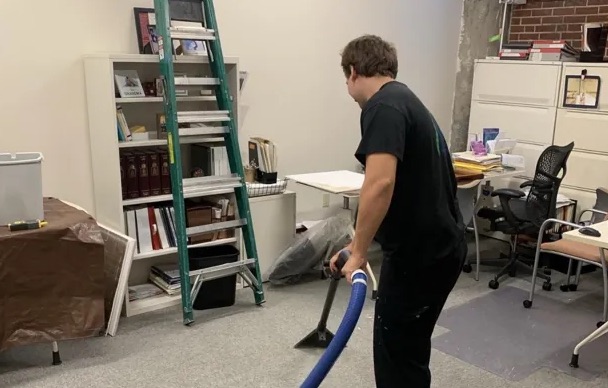
Tile Floor Water Damage Restoration Response in Lacey, WA
Tile floor moisture issues in Lacey often stem from appliance failures or plumbing leaks. Untreated, this can ruin the tile installation, damage the subfloor, and require a full, costly replacement of the flooring system.
Across Lacey and nearby places like Olympia, Tumwater and Yelm, water damaged tile floors need expert care to restore their appearance and function. The tile floor water damage cost can escalate if moisture isn't fully removed.
Tile Floor Water Damage Restoration Solutions Available in Lacey
Tile Floor Water Extraction
Bulk water removal from tile surfaces and grout lines prevents seepage into subflooring. Powerful extraction equipment is used for this initial step.
Flooded Tile Floor Restoration
When a flood covers tile floors in Lacey, local pros extract the water, dry, clean and disinfect the floor, then repair what was damaged.
Tile Floor Mold Prevention
Preventing mold growth is a critical outcome of proper water damage restoration. After drying tile floors, pros in Lacey apply EPA-registered antimicrobial agents to treated areas.
Tile Floor Water Damage Repair
Repair work can include regrouting or replacing damaged tiles. Local pros assess the floor to determine what specific fixes are needed.
Wet Tile Floor Cleanup
After the water is removed, restoration pros clean the tile and grout to remove residue and allergens the water left behind.
Common Signs Requiring Tile Floor Water Damage Restoration
Tile Floor Discoloration
Water damaged tile floors often show dark spots or light patches where moisture has altered the surface. This discoloration is a clear warning sign of ongoing moisture issues.
Increased Humidity in the Room
A noticeable spike in room humidity, often near a tiled area, suggests evaporating moisture from a hidden leak. This warrants a professional tile floor water damage inspection.
Visible Water Pooling
Water that keeps reappearing on a tile floor after you wipe it up points to water trapped below.
Efflorescence on Tile Surface
A white, powdery residue on tiles is efflorescence, a mineral deposit left by evaporating water. It signals previous moisture issues that need addressing.
How Tile Floor Water Damage Restoration Works in Lacey
Step 1: Source Stop and Safety Check
The water source is stopped and the area is made safe before work begins.
Step 2: Surface Water Removal
Water on the tile surface is removed with extraction wands and wet vacuums.
Step 3: Subsurface Drying Deployment
Drying equipment is deployed to address moisture in the substrate beneath the tiles, a core component of professional tile floor drying services.
Step 4: Completion Verification
The job is complete when verification moisture readings confirm all materials meet dry standard, helping ensure no residual moisture remains to cause future issues.
Common Causes of Water Damage to Tile Floors in Lacey
Plumbing Pipe Leaks
A leaking supply line, drain pipe, or fitting beneath a tile floor can release a steady flow of water, leading to widespread tile floor water damage.
Toilet Overflows and Seal Failures
A clogged toilet or a failed wax ring seal lets water spill onto the bathroom floor and seep under the tile.
Natural Flooding Events
Heavy rain or flash floods can push water into a home and across tiled floors.
HVAC Condensation Issues
A malfunctioning air conditioner or uninsulated condensation drain line can drip constant moisture onto a tile floor, creating a hidden, chronic dampness issue.
Both Residential & Commercial Tile Floor Water Damage Restoration in Lacey
Residential Tile Floor Water Damage Restoration
Homeowners face tile floor water damage from appliance leaks, toilet overflows, and plumbing failures. The restoration process involves careful tile floor moisture inspection to map the damage, followed by targeted drying to save the installation.
Commercial Tile Floor Water Damage Restoration
Restaurants, gyms and clinics need tile floors dried quickly. The specialists use commercial equipment to pull moisture from under the tile so the space can reopen.
Tile Floor Water Damage Restoration vs. DIY: When to Call Floor Drying Specialists
Clean the tile with a mild detergent and avoid harsh chemicals that can damage grout. If you notice a musty odor or mold on grout, stop and call pros.
Tile Floor Water Damage Restoration Cost in Lacey, WA
Expenses for wet tile floor cleanup are shaped by the type and quantity of drying equipment needed, the duration of the drying process, and whether any ancillary structural repairs are necessary.
Water Source Category
Clean water from a supply line is simpler to address than contaminated flood water, affecting the tile floor cleanup process.
Extent of Damage
The square footage of water damaged tile floors and depth of saturation directly influence the restoration scope and cost.
Drying Time Required
Prolonged tile floor drying services to reach safe moisture levels add to operational hours and the overall service cost.
Does Insurance Cover Tile Floor Water Damage Restoration?
Your homeowners insurance may cover tile floor water damage if the cause is a sudden, accidental event like a burst pipe. The pros create detailed reports for your insurer.
The Value of Local Specialists for Tile Floor Water Damage Restoration
IICRC-Standard Methods
The specialists use industry-standard procedures for tile floor water extraction and drying to promote effective damage control.
Thorough Water Extraction
Powerful equipment removes standing water and moisture from grout lines during the wet tile floor cleanup phase.
Clear Process Communication
You receive straightforward explanations of each step, from initial assessment through the final moisture verification.
24/7 Emergency Tile Floor Water Damage Restoration for Lacey
Wet tile floor emergency? Call the pros at (425) 386-5713 day or night. Starting drying quickly limits repairs to the subfloor.
Call Now (425) 386-5713Tile Floor Water Damage Restoration Service Area Including Lacey
Tile floor moisture inspection and mold prevention are available in Lacey and nearby locations like Olympia, Tumwater and Yelm.
- Tile Floor Water Damage Restoration in Olympia
- Tile Floor Water Damage Restoration in Tumwater
- Tile Floor Water Damage Restoration in Yelm
- Tile Floor Water Damage Restoration in Tenino
- Tile Floor Water Damage Restoration in Steilacoom
- Tile Floor Water Damage Restoration in Lakewood
- Tile Floor Water Damage Restoration in University Place
- Tile Floor Water Damage Restoration in Parkland
- Emergency Damage Restoration in 98503
- Storm Damage Restoration in 98503
- Water Damage Restoration in 98503
- Water Extraction Service in 98503
- Water Leak Detection in 98503
- Water Removal Service in 98503
- Emergency Damage Restoration in 98509
- Storm Damage Restoration in 98509
Your Tile Floor Water Damage Restoration Questions Addressed
Does tile floor mold prevention require special chemicals?
As part of a complete drying protocol, the pros may apply EPA-registered antimicrobial solutions during the cleaning phase to inhibit mold on the affected surfaces.
Can water damaged tile floors be saved?
Often yes, if extraction and drying begin quickly. The salvageability depends on the water type, duration of exposure, and the tile material.
What does tile floor water damage repair involve?
Repair can range from re-sealing grout and re-adhering tiles to replacing sections of damaged subfloor, depending on the inspection findings.
How does tile floor water extraction work?
Powerful truck-mounted or portable extractors remove standing water, while specialized tools pull moisture from grout lines and from under the tiles.
What causes tile floor moisture issues?
Common causes include appliance leaks like from dishwashers, plumbing failures such as burst pipes, overflow incidents from sinks or tubs, or groundwater intrusion through cracks in the foundation.