SeaTac, WA · King County
Warehouse Water Damage Restoration in SeaTac, WAWarehouse Inventory Water Damage & Warehouse Floor Water Removal
Warehouse Water Damage Restoration in SeaTac provides warehouse mold remediation, warehouse floor water removal, and warehouse leak detection repair.
Answered 24/7
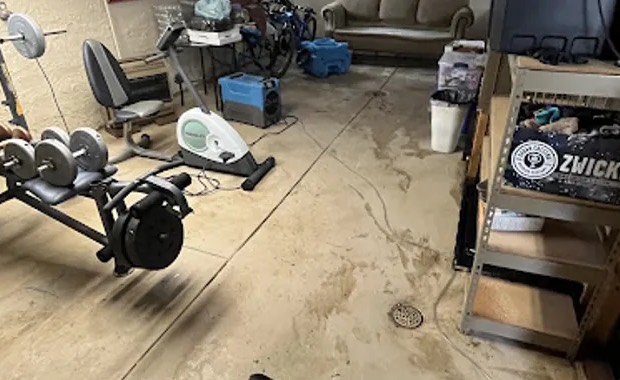
Expert Warehouse Water Damage Restoration Services for SeaTac
Untreated water damage in warehouses can weaken floors, damage stored goods, and create hazardous mold, posing significant business risks. Local warehouse water extraction pros prioritize action, initiating warehouse water damage cleanup and moisture removal to limit secondary damage.
Warehouse water damage restoration is a critical service for industrial and storage facilities in SeaTac, where water intrusion can halt operations and damage valuable stock. The pros provide warehouse flood water extraction and structural drying to restore functionality, serving businesses here and in nearby areas like Tukwila, Normandy Park and Des Moines.
Comprehensive Warehouse Water Damage Restoration Solutions
Warehouse Inventory Water Damage
When warehouse inventory gets wet, content restoration efforts begin. Techniques are selected based on material type, aiming to clean and dry goods where possible.
Warehouse Floor Water Removal
Pros use specialized equipment to pull trapped moisture from concrete and sealed floors before mold or slab damage sets in.
Warehouse Mold Remediation
Warehouse mold remediation contains growth on walls or materials. Contaminated porous items are removed, and surfaces are cleaned.
Warehouse Water Damage Cleanup
The final warehouse cleanup involves sanitizing and deodorizing the restored space. Floors and surfaces are cleaned to remove residues and odors.
Warehouse Leak Detection Repair
Stopping water intrusion starts with leak detection in the warehouse. Professionals inspect the roof, walls, doors, and utilities to find the entry point.
Indicators of Warehouse Water Damage in SeaTac
Water on Warehouse Floor
Standing water in aisles or around stored goods needs to be removed before it soaks into pallets and stock.
Condensation on Equipment
Water beads on metal machinery or control panels show high humidity, risking corrosion and downtime.
Peeling Paint or Rust
Paint blistering or accelerated rust on structural steel are clear signs of excess warehouse moisture.
Damp Inventory or Materials
Wet boxes, soggy pallets or damp raw materials mean water is reaching your inventory.
How Warehouse Water Damage Restoration Works in SeaTac
Step 1: Flood Water Removal
The first response involves warehouse flood water extraction using truck-mounted or portable systems to clear aisles and work areas of bulk water.
Step 2: Comprehensive Moisture Mapping
Pros use sensors to map moisture levels throughout the warehouse, identifying wet spots in floors and walls to guide the warehouse drying services plan.
Step 3: Targeted Equipment Drying
Machinery and electrical panels near the water get focused drying to limit corrosion and electrical damage.
Step 4: Sanitization and Air Scrubbing
If needed, the area is sanitized, and air scrubbers remove particulates and odors, completing the warehouse water damage cleanup and restoring air quality.
What Causes Warehouse Flooding in SeaTac
Plumbing Supply Line Breaks
A burst pipe in restrooms, break rooms, or process water lines leads to significant water loss.
Process Equipment Leaks
Cooling lines, hydraulic systems, or wash-down stations can develop leaks, creating localized water damage.
Foundation or Slab Leaks
Cracks in the slab or foundation walls let groundwater seep into the warehouse.
HVAC Condensate Line Failure
Clogged or disconnected drain lines from large commercial units can flood warehouse floors quickly.
Industrial-Grade Warehouse Water Damage Restoration in SeaTac
Residential Water Damage Restoration
A large storage barn or multi-car garage full of vehicles and tools needs the same industrial drying to protect what is inside.
Warehouse Water Damage Restoration
Pros who work in warehouses understand racking, electrical hazards and inventory handling, so cleanup disrupts operations as little as possible.
Why DIY Warehouse Water Damage Repair Fails
Documenting the damage with photos and notes for your insurance claim is a responsible step you can take. The scope, cause, and extent of industrial water damage restoration, however, must be assessed and executed by qualified specialists.
Investing in Warehouse Water Damage Restoration for SeaTac
Commercial water extraction pricing in SeaTac considers the number of affected warehouse zones, the type of flooring materials, and any post-extraction sanitation needs for the space.
Required Drying Time
The number of days industrial-grade dehumidifiers and air movers must run to reach dry standard significantly influences the final expense.
Access and Complexity
Multi-level racking, confined machinery spaces, or high ceilings can complicate water removal and drying, increasing labor and equipment needs.
Emergency Service Timing
A 24/7 response outside standard hours may involve different service rates compared to a scheduled appointment during business hours.
Does Insurance Cover Warehouse Water Damage Restoration?
The pros provide detailed reports and invoices that document the scope of work and moisture readings. The property owner can submit these to their insurer, but final coverage decisions rest with the insurance company.
Why Choose Local Pros for Warehouse Water Damage Restoration
24/7 Emergency Response
Quick action is critical for warehouse water damage; local pros are available around the clock to begin mitigating the loss.
Equipment Drying Protocols
Specialized techniques for warehouse equipment drying aim to minimize corrosion and electrical damage to machinery and control panels after water exposure.
Industrial-Grade Equipment
Warehouse flood cleanup requires truck-mounted extractors, industrial dehumidifiers, and high-volume air movers designed for large-scale commercial spaces.
Emergency Warehouse Water Damage Restoration Response for SeaTac
If there is active water intrusion in a warehouse, call (425) 386-5713 for emergency industrial water damage restoration services. Response is available any time, day or night, to begin containment and extraction.
Call Now (425) 386-5713Areas Served for Warehouse Water Damage Restoration Near SeaTac
Warehouse flood cleanup is available in SeaTac and nearby areas such as Tukwila, Normandy Park and Des Moines.
- Warehouse Water Damage Restoration in Tukwila
- Warehouse Water Damage Restoration in Normandy Park
- Warehouse Water Damage Restoration in Des Moines
- Warehouse Water Damage Restoration in Burien
- Warehouse Water Damage Restoration in Renton
- Warehouse Water Damage Restoration in Seattle (West/South)
- Warehouse Water Damage Restoration in Kent
- Warehouse Water Damage Restoration in Mercer Island
- Emergency Damage Restoration in 98158
- Storm Damage Restoration in 98158
- Water Damage Restoration in 98158
- Water Extraction Service in 98158
- Water Leak Detection in 98158
- Water Removal Service in 98158
- Emergency Damage Restoration in 98188
- Storm Damage Restoration in 98188
FAQ for Warehouse Water Damage Pros
Why is quick action crucial for warehouse water removal?
The longer water sits, the deeper it penetrates concrete, drywall, and stored goods. This increases damage to inventory, equipment, and the building's structural components over time.
What is the goal of warehouse moisture removal?
To return building materials to normal dry readings, measured with moisture meters, so they do not decay or grow mold.
What's included in warehouse water damage cleanup?
Cleanup encompasses water extraction, debris removal, surface sanitization of affected areas, and odor control measures after the primary structural drying phase is complete.
What causes warehouse leaks needing detection and repair?
Common sources include roof failures, compromised siding or cladding, sealant failures around doors and loading docks, or plumbing issues within the warehouse's utility infrastructure.
Can business operations continue during warehouse drying services?
Safety often requires limiting access to affected zones, but local pros work to minimize disruption and may help set up temporary work areas.