Sumner, WA · Pierce County
Warehouse Water Damage Restoration in Sumner, WAWarehouse Inventory Water Damage & Warehouse Flood Water Extraction
Warehouse Water Damage Restoration in Sumner requires warehouse equipment drying, warehouse floor water removal, and warehouse leak detection repair.
Answered 24/7
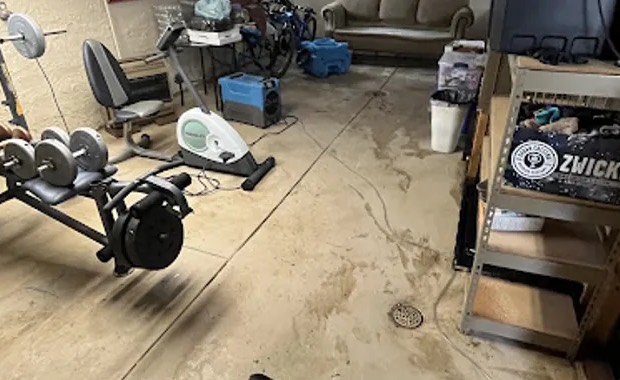
Reliable Warehouse Water Damage Restoration for Sumner Businesses
Untreated water damage in warehouses can weaken floors, damage stored goods, and create hazardous mold, posing significant business risks. Local warehouse water extraction pros prioritize action, initiating warehouse water damage cleanup and moisture removal to limit secondary damage.
Warehouses in Sumner need large equipment to dry concrete floors and high walls. Local pros remove the water, dry the building and help protect stock. They also serve places like Edgewood, Bonney Lake and Puyallup.
Key Warehouse Water Damage Restoration Procedures
Warehouse Inventory Water Damage
Pros in Sumner sort pallets and items into those that can be dried, those that need freeze-drying and total losses, and document it all for your insurance claim.
Warehouse Flood Water Extraction
Immediate warehouse flood water extraction removes standing water using high-capacity pumps. Early action helps prevent secondary damage to inventory and the building structure. The pros in Sumner prioritize this first step.
Warehouse Leak Detection Repair
Stopping water intrusion starts with leak detection in the warehouse. Professionals inspect the roof, walls, doors, and utilities to find the entry point.
Warehouse Water Damage Cleanup
Warehouse water damage cleanup involves sanitizing the restored space. Floors are washed, steel is wiped, and odors are eliminated.
Warehouse Mold Remediation
Warehouse mold remediation involves removing colonization sources and cleaning the space. Contaminated items like wet cardboard or insulation are discarded, and antimicrobial treatments are applied.
Warning Signs You Need Warehouse Water Damage Restoration
Peeling Paint or Rust
Paint blistering or accelerated rust on structural steel are clear signs of excess warehouse moisture.
Water Stains on Walls
Discolored streaks or rings on interior walls reveal past or active leaks in the warehouse.
Musty Odors in the Space
A persistent earthy smell often means hidden moisture and potential mold in a warehouse.
Warped or Buckling Floors
A curling slab or failing epoxy coating points to moisture under the floor.
How Warehouse Water Damage Restoration Works in Sumner
Step 1: Emergency Water Extraction
The pros use industrial pumps and extractors to remove all standing flood water from the facility, starting the warehouse water removal process.
Step 2: Strategic Structural Drying
High-capacity air movers and commercial dehumidifiers are positioned to dry the warehouse structure, including walls, ceilings, and the concrete slab, preventing warping.
Step 3: Inventory and Content Processing
Affected goods and materials are evaluated for warehouse inventory water damage; salvageable items are moved to a dry zone for specialized drying or cleaning.
Step 4: Final Verification and Documentation
Using moisture meters, pros verify the space is dry to industry standards. They document the process with readings and photos for your insurance review.
What Causes Warehouse Flooding in Sumner
Process Equipment Leaks
Cooling lines, hydraulic systems, or wash-down stations can develop leaks, creating localized water damage.
Human Error and Accidents
A left-on hose, an overturned tank, or a forklift damaging a pipe can initiate flooding.
Sprinkler System Malfunction
Accidental discharge, a faulty head, or a broken pipe in fire suppression systems causes major flooding.
Foundation or Slab Leaks
Cracks in the slab or foundation walls let groundwater seep into the warehouse.
Industrial-Grade Warehouse Water Damage Restoration in Sumner
Residential Water Damage Restoration
A flooded home workshop with power tools and materials requires the thorough moisture removal approach of the experts to dry the space and prevent warping or rust damage to equipment.
Warehouse Water Damage Restoration
Property managers need concrete slabs dried to avoid flooring and moisture problems later. Moisture maps and readings also support the insurance claim.
Professional Warehouse Water Damage Restoration or DIY Repair in Sumner
Documenting the damage with photos and notes for your insurance claim is a responsible step you can take. The scope, cause, and extent of industrial water damage restoration, however, must be assessed and executed by qualified specialists.
Investing in Warehouse Water Damage Restoration for Sumner
Warehouse water damage restoration cost in Sumner is affected by the scale of flooding, the type of materials saturated, and the urgency of the response required.
Inventory and Equipment Damage
Costs go up when stored goods or machinery got wet and need drying, cleaning or corrosion control.
Access and Complexity
Multi-level racking, confined machinery spaces, or high ceilings can complicate water removal and drying, increasing labor and equipment needs.
Water Volume and Source
Clean water from a broken pipe costs less to extract than contaminated flood water requiring advanced sanitation procedures in the warehouse.
Does Insurance Cover Warehouse Water Damage Restoration?
For warehouse flood damage, ask your insurer whether the policy covers business interruption, damaged inventory or equipment replacement. The pros document all damage with photos and moisture readings.
Advantages of Hiring Warehouse Drying Specialists for Warehouse Water Damage Restoration
Inventory Damage Mitigation
Pros prioritize protecting salvageable goods through careful water removal, controlled drying environments, and coordination for off-site restoration if needed.
Mold Prevention Focus
Rapid water removal and thorough drying are the primary methods the pros use to help prevent mold growth after a flood.
Industrial-Grade Equipment
Warehouse flood cleanup requires truck-mounted extractors, industrial dehumidifiers, and high-volume air movers designed for large-scale commercial spaces.
Round-the-Clock Warehouse Water Damage Restoration in Sumner, WA
Water in your warehouse? Call (425) 386-5713 24/7 to start water removal and drying and to protect stock, racking and equipment.
Call Now (425) 386-5713Areas Served for Warehouse Water Damage Restoration Near Sumner
Warehouse extraction and repair are available in Sumner and nearby communities, including Edgewood, Bonney Lake and Puyallup.
- Warehouse Water Damage Restoration in Edgewood
- Warehouse Water Damage Restoration in Bonney Lake
- Warehouse Water Damage Restoration in Puyallup
- Warehouse Water Damage Restoration in Pacific
- Warehouse Water Damage Restoration in Milton
- Warehouse Water Damage Restoration in Prairie Ridge
- Warehouse Water Damage Restoration in Orting
- Warehouse Water Damage Restoration in Buckley
- Emergency Damage Restoration in 98352
- Storm Damage Restoration in 98352
- Water Damage Restoration in 98352
- Water Extraction Service in 98352
- Water Leak Detection in 98352
- Water Removal Service in 98352
- Emergency Damage Restoration in 98390
- Storm Damage Restoration in 98390
FAQ for Local Pros
Who decides what warehouse inventory is salvageable after flooding?
The warehouse owner or manager, often in consultation with their insurer and the pros assessing the damage, makes those final decisions.
What records are kept for warehouse water damage repair?
Local pros document the process with photos, moisture reading logs, equipment logs, and detailed notes for your records and any insurance claim.
How fast should warehouse flood damage be addressed?
Quick action is critical to minimize structural warping, inventory loss, and mold growth; water removal should begin within the first 24 hours.
When is warehouse mold remediation necessary after water damage?
If visible mold growth appears or moisture is left unresolved for over 24 48 hours, remediation procedures for containment and removal become necessary.
What does warehouse structural drying involve?
This process uses industrial air movers and dehumidifiers to remove moisture from building materials like concrete, steel, and wall assemblies to dry standards.