Covington, WA · King County
Water Damage Mitigation in Covington, WAWet Carpet Drying & Mold Prevention After Water
Water Damage Mitigation in Covington includes moisture detection inspection, mold prevention after water and emergency water extraction.
Answered 24/7
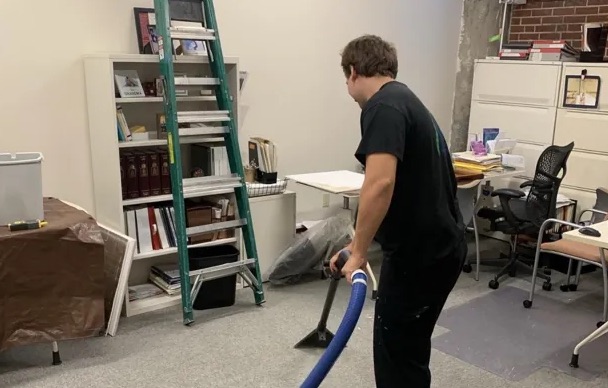
Local Water Damage Mitigation for Covington Residents
Effective water damage mitigation addresses the full scope of an incident, from the initial leak to potential long-term effects like mold.
In Covington, the mild marine climate with wet winters and dry summers affects drying times. Local restoration pros dry homes and contents and document the damage, here and in nearby Maple Valley, Black Diamond and Kent.
Water Damage Mitigation and Drying Services in Covington
Wet Carpet Drying
Saving water-damaged carpets often depends on a fast, professional drying response. The pros lift carpets, extract water from the padding, and use specialized drying techniques.
Mold Prevention After Water
The mitigation goal is a dry, normal condition. The pros in Covington understand complete drying prevents mold.
Water Damaged Drywall Repair
Drywall repair is a common part of water damage mitigation. The pros cut out sagging or stained drywall.
Moisture Detection Inspection
The pros use moisture meters and thermal cameras to map hidden moisture behind walls and under floors.
Floor Water Damage Cleanup
Water can ruin hardwood, laminate, and tile flooring quickly. The pros assess the flooring type and water source.
When to Call for Water Damage Mitigation in Covington
Discolored or Stained Ceiling Tiles
Brown or yellow stains on ceiling tiles or drywall point to a leak from above.
Peeling Paint or Wallpaper
Paint or wallpaper that is blistering or peeling away from the surface is often due to moisture.
Water Dripping From Ceiling
Active dripping, even off and on, means a leak that is wetting the structure every time.
Swollen Door or Window Frames
Doors and windows that are difficult to open or close may have frames swollen from water.
How Water Damage Mitigation Works in Covington
Step 1: First Call and Assessment
The pros perform an initial visual assessment to scope the water damage restoration project.
Step 2: Bulk Water Extraction and Removal
Using submersible pumps and floating extractors, all bulk water is removed from the property.
Step 3: Comprehensive Floor Water Damage Cleanup
Hardwood, laminate, tile and subflooring are each dried in the way that suits them, to keep them from warping or loosening.
Step 4: Completion and Air Quality Check
Once drying goals are met, equipment is removed. The air is checked for excessive humidity, and a final report is provided for your insurance claim regarding the water damage mitigation.
Leading Causes of Household Water Incidents
Burst or Leaking Pipes
Plumbing failures from corrosion, freezing, or high pressure can release large volumes of water into a home.
Foundation Cracks and Seepage
Cracks in a home's foundation or basement walls permit groundwater intrusion, especially after heavy rain.
Sprinkler System Malfunctions
Broken sprinkler heads or lines can saturate exterior walls and seep into the structure over time.
Appliance Malfunctions and Leaks
Water heaters, washing machines, dishwashers, and refrigerators can leak or overflow, causing significant floor water damage.
Residential and Commercial Water Damage Mitigation in Covington
Residential Water Damage Mitigation
In homes, water is extracted from basements, living rooms and crawl spaces. The pros check for hidden moisture so mold does not start in bedrooms or common areas.
Commercial Water Damage Mitigation
In retail stores, pros clean up wet floors and dry merchandise so customers can keep shopping without delays.
Water Damage Mitigation vs. DIY: When to Call Restoration Pros
You can document the damage for your insurance by taking clear photos and videos before any cleanup. Make a list of visibly affected items and materials. Avoid using household fans on wet porous materials, as this can spread mold spores. For proper water damage inspection and drying, phone (425) 386-5713 for water damage mitigation.
Cost Considerations for Water Damage Mitigation in Covington
The cost for water damage mitigation in Covington depends on the extent of the water intrusion and the affected materials. The pros evaluate the damage to determine the scope of work required.
Extent of Damage
The square footage and number of rooms affected by water directly influence the mitigation cost.
Water Source Category
Clean water from a supply line leak costs less to mitigate than contaminated grey or black water, which requires stricter safety protocols.
Required Drying Time
Longer drying means more equipment time and more monitoring visits, which adds cost.
Does Insurance Cover Water Damage Mitigation?
For water damage mitigation to be covered by insurance in Covington, the event typically must be sudden and accidental. Your insurer will require proof of the damage and the mitigation steps taken. The pros document the process thoroughly.
Benefits of Local Pros for Water Damage Mitigation
IICRC-Standard Drying Methods
The pros follow industry drying standards to return your property to a safe, dry condition.
Structural Drying Expertise
Air movers and dehumidifiers dry walls and floors so they do not warp or grow mold.
Focused Material Repair
Pros also repair common problem areas, like water-damaged drywall and wet carpet.
24/7 Emergency Water Damage Mitigation for Covington
For structural drying in Covington, call (425) 386-5713 any time of day. The faster drying starts, the less damage there is.
Call Now (425) 386-5713Water Damage Mitigation for Covington and Surrounding Communities
Residents of Covington and nearby communities, including Maple Valley, Black Diamond and Kent, can get carpet and structural drying after leaks or overflows.
Water Damage Mitigation Information and FAQs
Can I handle water damage cleanup myself?
While you can remove visible water, professional mitigation ensures hidden moisture is addressed with proper equipment.
What equipment is used for water removal service?
Pros use truck-mounted or portable extractors for water removal, followed by industrial-grade air movers, dehumidifiers, and moisture meters to dry the structure completely.
What happens during a water damage inspection?
A water damage inspection assesses the source, category of water, extent of affected areas, and materials involved to create a scope for the necessary mitigation and drying plan.
Why is moisture detection important for mitigation?
It uses meters to find water hidden inside walls or under floors, so drying does not stop too early.
What should I do while I wait for help with a water leak?
If safe, stop the water source at the main valve, remove easily accessible valuables from water, and avoid using electrical appliances in the wet area until it is inspected.