Midland, WA · Pierce County
Water Damage Repair in Midland, WAWater Damaged Floor Repair & Mold Remediation After Water
Local Water Damage Repair in Midland includes water damaged floor repair, ceiling leak water cleanup, and basement flood water removal.
Answered 24/7
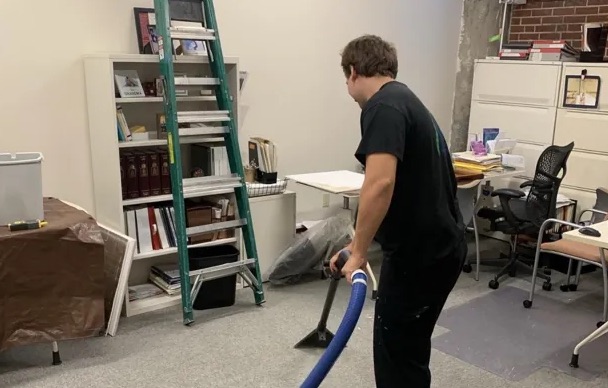
Water Damage Repair Response in Midland
Properties in Midland face significant risks from water damage that can undermine structural foundations and encourage pest infiltration over time.
In Midland and nearby Parkland, Fife and Tacoma, local pros handle the job from removing standing water to applying antimicrobial treatment, tracking moisture until materials are back to normal.
Complete Water Damage Repair Solutions for Midland
Water Damaged Floor Repair
Water under flooring causes hidden damage. Restoration pros inspect and may pull up planks to access and dry the subfloor, stabilizing the area.
Mold Remediation After Water
When moisture leads to mold, remediation is needed alongside drying. The water source is removed and visible mold is addressed.
Pipe Burst Cleanup Service
Pipe failures create high-pressure discharge. The specialists provide cleanup from the source to all impacted zones, preventing wood rot or mold.
Ceiling Leak Water Cleanup
Ceiling leaks weaken integrity. The specialists dry wet materials and attic spaces to stabilize the area and prevent mold in insulation.
Wet Drywall Removal
When drywall soaks up water, pros in Midland measure the moisture and cut out the damaged sections so mold does not grow inside the wall.
When to Call for Water Damage Repair in Midland
Damp or Wet Carpeting
Squishy, saturated carpets or padding are a clear sign of water damage.
Leaking Sounds or Drips
Hearing dripping or running water behind walls signals a hidden leak that could cause structural water damage.
Musty or Moldy Odors
A persistent damp, earthy smell often signals hidden moisture and potential mold.
Stains on Walls or Ceilings
Brownish or yellowish water stains on ceilings or walls often mark past or active leaks that require attention.
How Water Damage Repair Works in Midland
Step 1: Leak Detection and Source Repair
The pros find the leak first so it can be repaired before cleanup goes further.
Step 2: Saturated Material Removal
Irreparably damaged materials like soaked drywall or ruined flooring are safely removed as part of the water damage cleanup.
Step 3: Intensive Dehumidification Phase
Dehumidifiers pull moisture from the air and from the building materials as they dry.
Step 4: Detailed Documentation for Insurance
Throughout the process, pros document damage and actions with detailed notes and imagery for your insurance claim file.
Common Causes of Water Damage in Midland
Roof Leaks and Storm Damage
Missing shingles or storm damage let water into attics and down through ceilings.
Appliance Malfunctions and Leaks
Water heaters, washing machines and dishwashers can fail and flood the floor around them.
Burst or Leaking Pipes
Old, frozen or faulty plumbing can burst and flood several rooms in a short time.
Foundation Cracks and Seepage
Cracks in foundation walls let groundwater seep into the basement, often after heavy rain.
Water Damage Repair Across Property Sectors in Midland
Residential Water Damage Repair
At home, water from a burst pipe or appliance leak spreads fast. The experts remove it from floors and carpet and dry the rooms.
Commercial Water Damage Repair
Office buildings, retail spaces, and warehouses need pipe burst cleanup service. The specialists document all damage thoroughly to support your business insurance claim process.
When Water Damage Repair Requires Restoration Pros
Improving ventilation by opening windows can help with minor dampness. For actual wet drywall, sagging ceilings, or wet insulation, do not attempt removal yourself. Wet drywall removal by the pros prevents improper handling that worsens the problem.
Estimating Water Damage Repair Costs for Midland
Labor drives the cost of drywall removal or carpet extraction. Demolition, hauling debris and the number of air movers and dehumidifiers needed add up.
Required Drying Time
How long dehumidifiers and air movers must run affects the bill. Soaked framing takes longer to dry.
Mold Remediation Needs
If mold has started, the work grows to include containment, air filtration and extra cleaning, which adds cost.
Emergency Service Timing
A 24/7 emergency response to stop escalating damage may involve after-hours mobilization. This immediate intervention helps control the ultimate restoration scope and cost.
Does Insurance Cover Water Damage Repair?
Many homeowners policies cover sudden, accidental water damage from sources like a pipe burst. The specifics of your policy and the cause of the loss determine coverage. The pros document the damage thoroughly with photos and moisture readings for your claim submission.
Why Choose Local Pros for Water Damage Repair in Midland
Structured Drying Process
A setup of air movers and dehumidifiers is calculated for the space. This creates an efficient drying environment for walls, floors, and contents.
Detailed Damage Documentation
Photos, moisture readings, and drying logs are compiled. This documentation is provided for your records and potential insurance claim process.
IICRC-Standard Drying Methods
Procedures follow industry standards for thorough moisture removal. This systematic approach aims to dry structures correctly to help prevent secondary damage.
Always-On Emergency Water Damage Repair in Midland
Ceiling leaks can worsen quickly and cause ceiling collapse. For emergency ceiling leak water cleanup, call (425) 386-5713 day or night. The pros can address the water source and start drying affected ceilings and attics.
Call Now (425) 386-5713Water Damage Repair Service Area Including Midland
Each place listed below has its own page with local details.
Water Damage Repair Information and Answers
What causes ceiling leaks that need water cleanup?
Common sources are roof leaks, plumbing leaks from upstairs bathrooms, or condensation from HVAC systems. Identifying and stopping the water source is the first step before ceiling repair can begin.
What should I do while I wait for water damage help?
If safe to do so, stop the water source if possible and remove easily movable valuables from standing water.
Is wet drywall removal always necessary?
Drywall is porous and often retains moisture inside wall cavities. If saturated, removal is usually required to allow proper drying of studs and insulation and to prevent mold growth behind walls.
What happens during ceiling leak repair?
After stopping the leak source, wet ceiling materials are often removed to allow drying of the structural cavity above.
How is drying monitored after water extraction?
Moisture meters and hygrometers are used to track moisture levels in materials and the air. Drying logs record progress until pre-determined dryness goals are met for all affected building materials.