ZIP 98033 · Kirkland, WA · King County
Water Damage Restoration in 98033Mold Prevention After Water Damage & Flood Cleanup
Water Damage Restoration in Kirkland covers sewage cleanup, storm damage repair and structural drying.
Answered 24/7
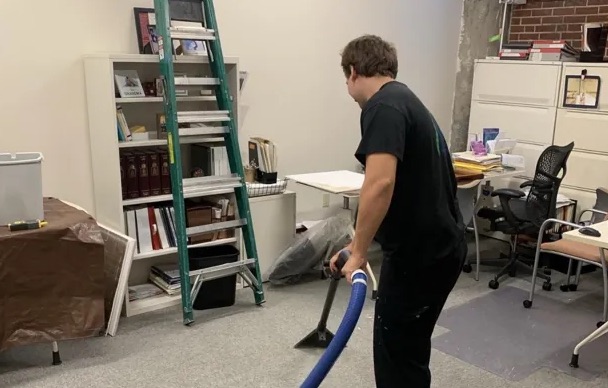
Professional Water Damage Restoration in 98033, WA
In Kirkland, moisture that stays in a building leads to big repairs and health problems. Local water damage pros remove the water and dry out the hidden dampness, removing mold when needed.
In Kirkland and nearby Yarrow Point, Hunts Point and Clyde Hill, the pros extract water and dry the structure to industry standards after leaks and floods, before swelling, odor and mold set in.
Comprehensive Water Damage Restoration Offerings in 98033
Mold Prevention After Water Damage
Prompt drying is the main way to keep mold from starting after water damage. Materials that stay wet for a day or two are at risk.
Flood Cleanup
Flood water can carry contaminants. The pros in Kirkland remove ruined materials, extract the water and apply antimicrobial treatment.
Water Damage Repair
After drying, pros rebuild what water damaged, patching drywall and laying new flooring so rooms in Kirkland homes work as before.
Structural Drying
Drying equipment is placed for good airflow, and readings are taken until the building is dry in Kirkland.
Sewage Cleanup
A sewage spill is a biohazard. The pros in Kirkland remove the contaminated water, disinfect and clear the odor with the right protective gear.
Indicators of Water Damage in 98033 Homes
Wet Spots on Carpets
Carpet or pad that stays damp means water has soaked deep into the floor, where it can rot the subfloor.
Cracked or Warping Floorboards
Hardwood floors that warp, cup, or crack are reacting to moisture. The pros can assess and begin drying.
Wet or Damp Attic Insulation
Damp insulation in the attic loses effectiveness and can rot wood. Attic drying and removal may be necessary for proper repair.
Sagging or Bubbling Drywall
Drywall that swells, sags or bubbles has absorbed a lot of water and needs drying or removal.
How Water Damage Restoration Works in 98033
Step 1: Assessment and Moisture Mapping
Pros use sensors and cameras to map the full extent of moisture in materials.
Step 2: Flood Water Removal
Heavy-duty pumps and extractors eliminate all pooling water from the affected area. Fast flood cleanup prevents secondary damage and mold growth.
Step 3: Targeted Drying Procedures
Specialized drying equipment is aimed at hard-to-reach areas like subfloors and the insides of walls.
Step 4: Mold Prevention and Restoration
Areas are treated to inhibit mold, followed by necessary reconstruction. The final step aims to return your space to its pre-damage condition.
Leading Causes of Water Damage in 98033
Sewer Line Backups or Overflows
Blocked main sewer lines or septic failures can push sewage up into the home through drains.
Fire Suppression System Activation
Fire sprinklers that discharge during a fire or by accident put a lot of water into a building.
Bathroom Fixture Failures
Failed toilet seals, overflowing tubs and leaking shower pans soak carpet and subfloors over time.
Appliance Malfunctions and Leaks
Water heaters, washing machines, dishwashers and refrigerators can leak or overflow suddenly and flood the floor.
Residential and Commercial Water Damage Restoration in 98033
Residential Water Damage Restoration
Water damage in homes demands quick action to protect personal belongings and structure. The pros address leaks from appliances, roof failures, or plumbing to prevent mold.
Commercial Water Damage Restoration
For businesses, water damage halts operations and puts stock, equipment and data at risk. Pros extract water from offices, stores and warehouses and dry the structure to get you reopened.
DIY Limits and Water Damage Restoration Needs in 98033
After heavy rain, check attics, basements and crawlspaces for new moisture and clear gutters and downspouts. Dripping, wet insulation or puddles need water extraction soon.
Factors in Water Damage Restoration Pricing for 98033
In Kirkland, moving and storing furniture or belongings so floors can be dried adds labor and affects the final cost.
Affected Materials
Restoration costs vary if water damages drywall, hardwood floors, or custom cabinetry, as each material has different repair or replacement requirements.
Secondary Damage Remediation
Extra work like mold removal or storm repairs adds its own scope and cost.
Content Pack-Out Needs
The cost includes labor for moving, cleaning, and storing furniture and personal belongings to facilitate the flooded basement cleanup and drying process.
Does Insurance Cover Water Damage Restoration?
Water extraction may be covered if the cause is a named peril in a homeowner's policy. Confirm with your insurer first. The pros document the scope with photos and moisture maps, creating a record for your insurance company's review.
The Case for Local Water Damage Pros in 98033, WA
Contamination Safety Protocols
For sewage or dirty flood water, the pros wear protective gear and treat surfaces to reduce health risks.
IICRC-Standard Methods
The pros follow industry standards for water removal and drying, which helps prevent mold.
Advanced Moisture Detection
Thermal cameras and moisture meters let the pros find hidden water in walls and subfloors so drying is complete.
Always-Available Water Damage Restoration for 98033
Storm damage and plumbing failures can happen at any time. Call (425) 386-5713 day or night for emergency water damage cleanup and repair from local pros.
Call Now (425) 386-5713Water Damage Restoration Coverage in and Around ZIP 98033
From Kirkland to Yarrow Point, Hunts Point and Clyde Hill, the pros dry wet carpet and structures and repair storm damage.
Frequently Asked Water Damage Restoration Questions
How quickly should water extraction begin after a flood?
As soon as it is safe. Standing water speeds up damage, and mold can start within 24 to 48 hours.
How do professionals handle a sewage backup cleanup?
Sewage cleanup requires strict safety protocols due to contaminants. The process involves removing the hazardous waste, thorough cleaning and disinfecting affected areas, and often removing porous materials that cannot be adequately sanitized.
What happens during the flood cleanup process?
Flood cleanup starts with pumping out standing water. Then, mud and debris are removed. The area is cleaned and disinfected.
What is the difference between water removal and structural drying?
Water removal takes out standing water. Structural drying then removes moisture absorbed into drywall and wood with air movers and dehumidifiers.
What equipment is used for emergency water extraction?
The experts use truck-mounted or portable submersible pumps for large volumes and industrial-grade wet/dry vacuums for residual water.