ZIP 98036 · Lynnwood, WA · Snohomish County
Water Damage Restoration in 98036Water Extraction & Storm Damage Repair
Water Damage Restoration in Lynnwood covers sewage cleanup, storm damage repair and structural drying.
Answered 24/7
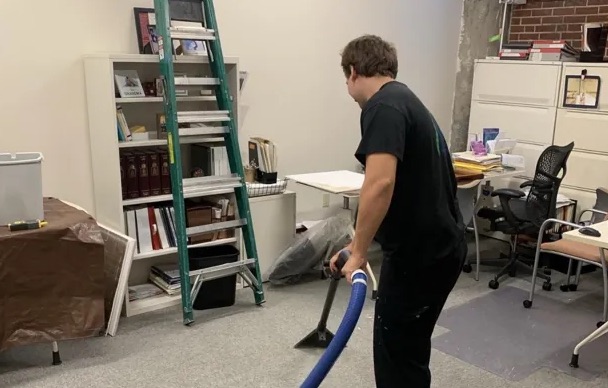
Professional Water Damage Restoration in 98036, WA
For homes and businesses in Lynnwood, fast action prevents weakened structure and mold. Local water damage pros clean up floods and dry the building with professional tools.
In Lynnwood and nearby Alderwood Manor, Mountlake Terrace and Brier, the pros extract water and dry the structure to industry standards after leaks and floods, before swelling, odor and mold set in.
Core Water Damage Restoration Methods Used in 98036
Water Extraction
Specialized extraction removes water from under flooring and within wall cavities. This addresses hidden moisture that can lead to major repairs. The pros in Lynnwood are equipped for this technical task.
Storm Damage Repair
Severe weather can damage the roof and let water inside. Pros in Lynnwood cover roof openings, secure the property and dry the wet interior.
Water Damage Repair
After drying, repair work addresses cosmetic and functional damage. This may mean replacing warped cabinets, swollen doors, or damaged subflooring.
Sewage Cleanup
Toilet and drain backups bring sewage into the home. The pros in Lynnwood remove the contaminated water and disinfect with strict safety steps.
Flood Cleanup
Flood cleanup deals with large water volumes inside a building. It prioritizes safety with hazard assessment.
Warning Signs You Need Water Damage Restoration
Wet Spots on Carpets
Carpet or pad that stays damp means water has soaked deep into the floor, where it can rot the subfloor.
Musty Odors in Rooms
A persistent musty smell often means hidden moisture and mold growing behind walls or under floors.
Cracked or Warping Floorboards
Hardwood floors that warp, cup, or crack are reacting to moisture. The pros can assess and begin drying.
Sagging or Bubbling Drywall
Drywall that swells, sags or bubbles has absorbed a lot of water and needs drying or removal.
How Water Damage Restoration Works in 98036
Step 1: First Call and Inspection
An inspection after your call finds the type of water and how far it spread.
Step 2: Bulk Water and Sewage Cleanup
All bulk water, including hazardous Category 3 water from sewage backups, is removed. Specialized sewage cleanup protocols are used for safety.
Step 3: Detailed Moisture Removal
Moisture trapped in subfloors, drywall and insulation is pulled out with targeted drying.
Step 4: Property Restoration Completion
The final phase involves repairing or replacing damaged structural elements and finishes, with the goal of a dry, usable property.
Why Properties in 98036 Experience Water Damage
Sewer Line Backups or Overflows
Blocked main sewer lines or septic failures can push sewage up into the home through drains.
Appliance Malfunctions and Leaks
Water heaters, washing machines, dishwashers and refrigerators can leak or overflow suddenly and flood the floor.
Roof Leaks From Storm Damage
Wind-driven rain, hail or fallen debris can break through roofing and let water into the home.
Foundation Cracks and Seepage
Hydrostatic pressure can push groundwater through foundation cracks into basements. Flooded basement cleanup and exterior waterproofing are typical solutions.
Residential and Commercial Water Damage Restoration in 98036
Residential Water Damage Restoration
At home, cleaning up a flooded basement protects the foundation and removes electrical hazards. Pros pump out the water, start drying and check for mold.
Commercial Water Damage Restoration
Restaurants, hotels and clinics have strict health rules after water damage. Sewage backups need cleaning and disinfection, with extra care in kitchens and patient areas.
Hiring Restoration Pros vs. DIY Water Damage Cleanup
If a sewage backup occurs, avoid contact and do not flush other toilets. Photograph the damage from a safe distance for insurance. Do not attempt cleaning due to health risks. Sewage cleanup requires safety gear and disinfectants only the pros use.
Understanding Water Damage Restoration Costs in 98036
Accessibility to the damaged area impacts the price. Water removal from an open basement differs from a confined crawl space, which may require specialized equipment and additional time for the pros.
Secondary Damage Remediation
Extra work like mold removal or storm repairs adds its own scope and cost.
Area Accessibility
Difficult-to-access areas like crawl spaces or attics may require specialized equipment, increasing the time and cost for the experts to complete the work.
Drying Time Required
How long air movers and dehumidifiers must run affects equipment cost and job length.
Does Insurance Cover Water Damage Restoration?
Drying after a covered loss is often paid, subject to policy limits and deductibles. The pros provide drying records and equipment logs for your insurer.
Why Choose Local Pros for Water Damage Restoration in 98036
Integrated Service Approach
One set of pros handle the job from the first water removal to the final repairs.
Advanced Moisture Detection
Thermal cameras and moisture meters let the pros find hidden water in walls and subfloors so drying is complete.
Contamination Safety Protocols
For sewage or dirty flood water, the pros wear protective gear and treat surfaces to reduce health risks.
Always-Available Water Damage Restoration for 98036
A flooded basement or sewage backup requires urgent professional attention to protect your property and health. Don't delay. Reach the pros in Lynnwood for assistance by calling (425) 386-5713.
Call Now (425) 386-5713Water Damage Restoration Coverage in and Around ZIP 98036
From Lynnwood to Alderwood Manor, Mountlake Terrace and Brier, the pros dry wet carpet and structures and repair storm damage.
Frequently Asked Water Damage Restoration Questions
What should be done immediately after discovering water damage?
If safe, stop the water source if possible. Move valuable items away from water. Then, contact the pros for emergency water extraction.
What happens during the flood cleanup process?
Flood cleanup starts with pumping out standing water. Then, mud and debris are removed. The area is cleaned and disinfected.
What does storm damage restoration involve?
It handles water that wind or rain let in, combining water removal, drying and repairs to the roof or siding.
What equipment is used for emergency water extraction?
The experts use truck-mounted or portable submersible pumps for large volumes and industrial-grade wet/dry vacuums for residual water.
What are common causes of residential water damage?
Common causes include plumbing failures like burst pipes, appliance leaks from water heaters or washing machines, roof leaks, and flooding from severe weather.