ZIP 98407 · Tacoma, WA · Pierce County
Water Damage Restoration in 98407Structural Drying & Water Damage Repair
Water Damage Restoration in Tacoma includes water extraction, sewage cleanup and mold prevention after water damage for all kinds of leaks and floods.
Answered 24/7
Local Water Damage Restoration Services for 98407
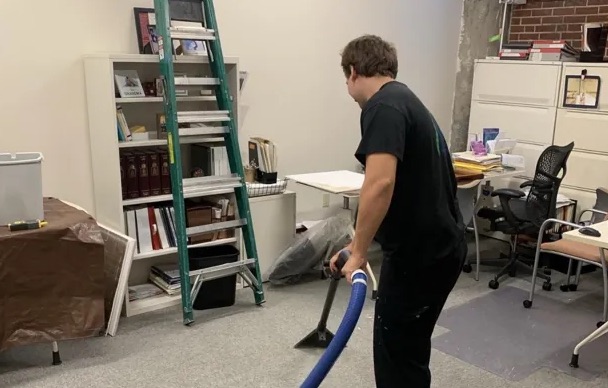
In Tacoma, water can damage building materials and indoor air. Local water removal pros restore homes and businesses, cleaning up sewage backups and drying the structure.
Around Tacoma, including Fife, Fircrest and University Place, the pros remove water from affected homes and businesses and dry the structure to keep mold from starting.
Detailed Water Damage Restoration Services for 98407
Structural Drying
After water removal, air movers and dehumidifiers draw moisture out of walls and ceilings. The pros in Tacoma track readings until materials are dry.
Water Damage Repair
Water damage repair reconstructs materials that could not be saved. It includes installing new drywall, baseboards, flooring, and paint.
Sewage Cleanup
Toilet and drain backups bring sewage into the home. The pros in Tacoma remove the contaminated water and disinfect with strict safety steps.
Flood Cleanup
Flood cleanup deals with large water volumes inside a building. It prioritizes safety with hazard assessment.
Mold Prevention After Water Damage
Prompt drying is the main way to keep mold from starting after water damage. Materials that stay wet for a day or two are at risk.
Indicators of Water Damage in 98407 Homes
High Indoor Humidity Levels
A consistently sticky, humid feeling indoors can indicate poor drying. Professionals use tools to measure and correct moisture levels.
Wet Spots on Carpets
Carpet or pad that stays damp means water has soaked deep into the floor, where it can rot the subfloor.
Water Stains on Ceilings
Yellow or brown ceiling stains indicate an ongoing water leak from above. The pros should inspect to identify the hidden source.
Wet or Damp Attic Insulation
Damp insulation in the attic loses effectiveness and can rot wood. Attic drying and removal may be necessary for proper repair.
How Water Damage Restoration Works in 98407
Step 1: Source Stop and Water Extraction
First, the water source is contained or repaired. Then, experts perform thorough water extraction from all affected surfaces and materials.
Step 2: Air Circulation and Drying
Air movers push air across wet surfaces to speed up evaporation from floors and walls.
Step 3: Antimicrobial Application
After drying, surfaces that stayed wet are treated with an antimicrobial to help keep mold from starting.
Step 4: Repair and Documentation
Any necessary water damage repair is performed to restore the property. Detailed documentation, including photos, is compiled for your insurance provider.
Frequent Sources of Home Water Damage in 98407
Appliance Malfunctions and Leaks
Water heaters, washing machines, dishwashers and refrigerators can leak or overflow suddenly and flood the floor.
Sewer Line Backups or Overflows
Blocked main sewer lines or septic failures can push sewage up into the home through drains.
Natural Flooding From Heavy Rain
Heavy rain can overwhelm drainage and send surface water inside through doors and low spots.
Bathroom Fixture Failures
Failed toilet seals, overflowing tubs and leaking shower pans soak carpet and subfloors over time.
Water Damage Restoration for All Property Types in 98407
Residential Water Damage Restoration
Attic water damage from roof leaks can ruin insulation and decking, affecting energy bills. The pros perform attic drying and may remove wet insulation.
Commercial Water Damage Restoration
Warehouses and plants need heavy-duty water removal over large areas after drainage failures or sprinkler discharges, to protect machinery and storage.
When Water Damage Restoration Requires a Pro in 98407
After heavy rain, check attics, basements and crawlspaces for new moisture and clear gutters and downspouts. Dripping, wet insulation or puddles need water extraction soon.
Cost Considerations for Water Damage Restoration in 98407
Accessibility to the damaged area impacts the price. Water removal from an open basement differs from a confined crawl space, which may require specialized equipment and additional time for the pros.
Content Pack-Out Needs
The cost includes labor for moving, cleaning, and storing furniture and personal belongings to facilitate the flooded basement cleanup and drying process.
Affected Materials
Restoration costs vary if water damages drywall, hardwood floors, or custom cabinetry, as each material has different repair or replacement requirements.
Emergency Service Timing
Night and weekend extraction can carry a different rate than work during business hours.
Does Insurance Cover Water Damage Restoration?
Mold cleanup after water damage might be covered if the mold came from a sudden, covered leak. Coverage is often limited, so review your policy.
Benefits of Local Water Removal Pros for Water Damage Restoration in 98407
Advanced Moisture Detection
Thermal cameras and moisture meters let the pros find hidden water in walls and subfloors so drying is complete.
Contamination Safety Protocols
For sewage or dirty flood water, the pros wear protective gear and treat surfaces to reduce health risks.
Comprehensive Water Extraction
Industrial pumps and extractors remove standing water in homes and commercial buildings.
24/7 Water Damage Restoration Help in 98407, WA
Sewer backups and major flooding need fast, safe handling. Call (425) 386-5713 24/7 for the pros to start sewage cleanup or water extraction.
Call Now (425) 386-5713Water Damage Restoration Near 98407: Areas Served
In Tacoma, the pros handle flood cleanup and mold removal for homes and businesses, and also serve Fife, Fircrest and University Place.
Frequently Asked Water Damage Restoration Questions
What does storm damage restoration involve?
It handles water that wind or rain let in, combining water removal, drying and repairs to the roof or siding.
What is involved in the water damage restoration process?
The process begins with an assessment and emergency water extraction. Then, structural drying services using industrial equipment remove moisture.
How quickly should water extraction begin after a flood?
As soon as it is safe. Standing water speeds up damage, and mold can start within 24 to 48 hours.
What is Category 3 water during sewage cleanup?
Category 3 water is grossly contaminated, containing pathogens, as from sewage backups, flooding from rivers, or standing water that has become stagnant.
How do professionals handle a sewage backup cleanup?
Sewage cleanup requires strict safety protocols due to contaminants. The process involves removing the hazardous waste, thorough cleaning and disinfecting affected areas, and often removing porous materials that cannot be adequately sanitized.