ZIP 98448 · Tacoma, WA · Pierce County
Water Damage Restoration in 98448Structural Drying & Storm Damage Repair
Water Damage Restoration in Tacoma covers sewage cleanup, storm damage repair and structural drying.
Answered 24/7
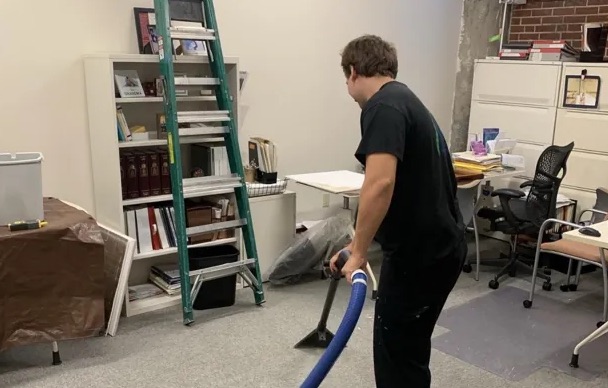
Water Damage Restoration Response in Pierce County
In Tacoma, water can damage building materials and indoor air. Local water removal pros restore homes and businesses, cleaning up sewage backups and drying the structure.
In Tacoma and nearby Fife, Fircrest and University Place, the pros respond 24/7 to sewage backups and other water damage, extracting and drying until moisture readings are normal.
Detailed Water Damage Restoration Services for 98448
Structural Drying
Drying equipment is placed for good airflow, and readings are taken until the building is dry in Tacoma.
Storm Damage Repair
Severe weather can damage the roof and let water inside. Pros in Tacoma cover roof openings, secure the property and dry the wet interior.
Water Damage Repair
Water damage repair reconstructs materials that could not be saved. It includes installing new drywall, baseboards, flooring, and paint.
Water Extraction
Specialized extraction removes water from under flooring and within wall cavities. This addresses hidden moisture that can lead to major repairs. The pros in Tacoma are equipped for this technical task.
Flood Cleanup
After a flood, the pros extract the water, clear debris and clean affected surfaces in Tacoma properties.
Symptoms Requiring Water Damage Restoration in 98448
Puddles Around Appliances
Standing water near a water heater, washer or fridge means a leak. Call (425) 386-5713 before it spreads further.
Visible Mold Patches
Any visible mold, especially after a leak, means moisture has stayed long enough for spores to grow.
Sagging or Bubbling Drywall
Drywall that swells, sags or bubbles has absorbed a lot of water and needs drying or removal.
Sewage Odor in Basement
A sewer smell points to a backup or broken line. Sewage needs protective gear and careful removal.
How Water Damage Restoration Works in 98448
Step 1: Source Stop and Water Extraction
First, the water source is contained or repaired. Then, experts perform thorough water extraction from all affected surfaces and materials.
Step 2: Air Circulation and Drying
Air movers push air across wet surfaces to speed up evaporation from floors and walls.
Step 3: Antimicrobial Application
After drying, surfaces that stayed wet are treated with an antimicrobial to help keep mold from starting.
Step 4: Repair and Documentation
Any necessary water damage repair is performed to restore the property. Detailed documentation, including photos, is compiled for your insurance provider.
Common Causes of Water Damage in 98448
Appliance Malfunctions and Leaks
Water heaters, washing machines, dishwashers and refrigerators can leak or overflow suddenly and flood the floor.
Roof Leaks From Storm Damage
Wind-driven rain, hail or fallen debris can break through roofing and let water into the home.
Faulty or Clogged Gutters
Gutters that overflow or detach pour water against the home's siding. This leads to wall and basement water damage over time.
Sewer Line Backups or Overflows
Blocked main sewer lines or septic failures can push sewage up into the home through drains.
Residential and Commercial Water Damage Restoration in 98448
Residential Water Damage Restoration
In residences, hidden moisture in walls or under floors can warp materials and attract pests. Residential water damage repair involves precise moisture mapping and targeted drying.
Commercial Water Damage Restoration
Offices and stores have drop ceilings and raised floors that trap water. Pros use industrial equipment for large-scale removal and drying and document it for business interruption claims.
DIY Limits and Water Damage Restoration Needs in 98448
If a sewage backup occurs, avoid contact and do not flush other toilets. Photograph the damage from a safe distance for insurance. Do not attempt cleaning due to health risks. Sewage cleanup requires safety gear and disinfectants only the pros use.
Factors in Water Damage Restoration Pricing for 98448
Cost for water damage cleanup in Tacoma depends heavily on the water's source. Clean water from a supply line is less complex than contaminated sewage, which demands specialized safety and disposal procedures, increasing overall expense.
Drying Time Required
How long air movers and dehumidifiers must run affects equipment cost and job length.
Affected Materials
Restoration costs vary if water damages drywall, hardwood floors, or custom cabinetry, as each material has different repair or replacement requirements.
Emergency Service Timing
Night and weekend extraction can carry a different rate than work during business hours.
Does Insurance Cover Water Damage Restoration?
Drying after a covered loss is often paid, subject to policy limits and deductibles. The pros provide drying records and equipment logs for your insurer.
Why Choose Local Water Removal Pros for Water Damage Restoration in 98448
Thorough Structural Drying
Air movers and dehumidifiers dry the structure and contents until readings are back to normal.
Detailed Damage Documentation
Pros systematically photograph the damage and record moisture readings, creating a clear visual and data record that can be useful for insurance purposes.
IICRC-Standard Methods
The pros follow industry standards for water removal and drying, which helps prevent mold.
Round-the-Clock Water Damage Restoration in 98448
A flooded basement or sewage backup requires urgent professional attention to protect your property and health. Don't delay. Reach the pros in Tacoma for assistance by calling (425) 386-5713.
Call Now (425) 386-5713Water Damage Restoration Service Area Including 98448, WA
Water damage restoration is available in Tacoma and nearby areas like Fife, Fircrest and University Place, from indoor leaks to storm flooding.
Answers to Top Water Damage Restoration Questions
How do professionals handle a sewage backup cleanup?
Sewage cleanup requires strict safety protocols due to contaminants. The process involves removing the hazardous waste, thorough cleaning and disinfecting affected areas, and often removing porous materials that cannot be adequately sanitized.
Why can mold become a problem after water damage?
Mold can grow in damp materials within 24 to 48 hours. If moisture remains after drying, mold removal may be needed.
How quickly should water extraction begin after a flood?
As soon as it is safe. Standing water speeds up damage, and mold can start within 24 to 48 hours.
What is Category 3 water during sewage cleanup?
Category 3 water is grossly contaminated, containing pathogens, as from sewage backups, flooding from rivers, or standing water that has become stagnant.
What are common causes of residential water damage?
Common causes include plumbing failures like burst pipes, appliance leaks from water heaters or washing machines, roof leaks, and flooding from severe weather.